

Apple agreed to pay $250 million to resolve a class-action lawsuit that accused the company of misleading consumers about its artificial intelligence features, specifically a smarter, context-aware version of Siri that buyers never actually received.
A federal court in California received the proposed settlement on May 5. Apple did not admit wrongdoing, and the company continues to assert that it acted in good faith and in a manner reasonably believed to be in accordance with all applicable rules, regulations, and laws. The deal still requires final court approval, scheduled for June 17.
What did buyers say Apple promised?
The complaint stemmed from the company’s June 2024 product event. A smarter, Apple Intelligence version of Siri was shown off at WWDC 2024, then promoted heavily in ads and videos when the iPhone 16 launched in September 2024.
Plaintiffs said those promotions created one clear expectation: a new AI-powered Siri would arrive with the phones. Instead, the upgrade never showed up.
Lawyers for the plaintiffs put it bluntly.
The company promoted “AI capabilities that did not exist at the time, do not exist now, and will not exist for two or more years, if ever, all while marketing them as the breakthrough innovation,” they wrote.
The complaint added that Apple’s advertising “saturated the internet, television, and other airwaves to cultivate a clear and reasonable consumer expectation that these transformative features would be available upon the iPhone’s release.”
Apple, for its part, pulled the ads after officially delaying the Siri Apple Intelligence features in March 2025. But by then, the marketing had already run for several months.
Who qualifies and what can they collect?
The settlement covers certain U.S. buyers who purchased eligible iPhone models between June 10, 2024, and March 29, 2025. Those customers could receive between $25 and $95 per device, depending on the number of approved claims.
The settlement covers about 36 million devices sold in the U.S. Eligible models include the iPhone 16, iPhone 16 Pro, iPhone 16 Pro Max, iPhone 15 Pro, and iPhone 15 Pro Max.
Apple will begin inviting claim submissions within 45 days, as of May 5, 2026. Eligible users will need a proof of purchase, their device serial number, a phone number, and Apple Account details to file.
Part of the $250 million will cover attorneys’ fees and administrative costs, which reduces the actual pool paid out to consumers.
Apple’s response
An Apple spokesperson pushed back on any suggestion of widespread failure.
“Since the launch of Apple Intelligence, we have introduced dozens of features across many languages that are integrated across Apple’s platforms, relevant to what users do every day, and built with privacy protections at every step,” the spokesperson said.
“Apple has reached a settlement to resolve claims related to the availability of two additional features. We resolved this matter to stay focused on doing what we do best, delivering the most innovative products and services to our users.”
The company pointed to tools already available, including Visual Intelligence, Writing Tools, Live Translation, Genmoji, Image Playground, and Clean Up, as evidence of its broader commitment to artificial intelligence.
A bigger problem than $250 million
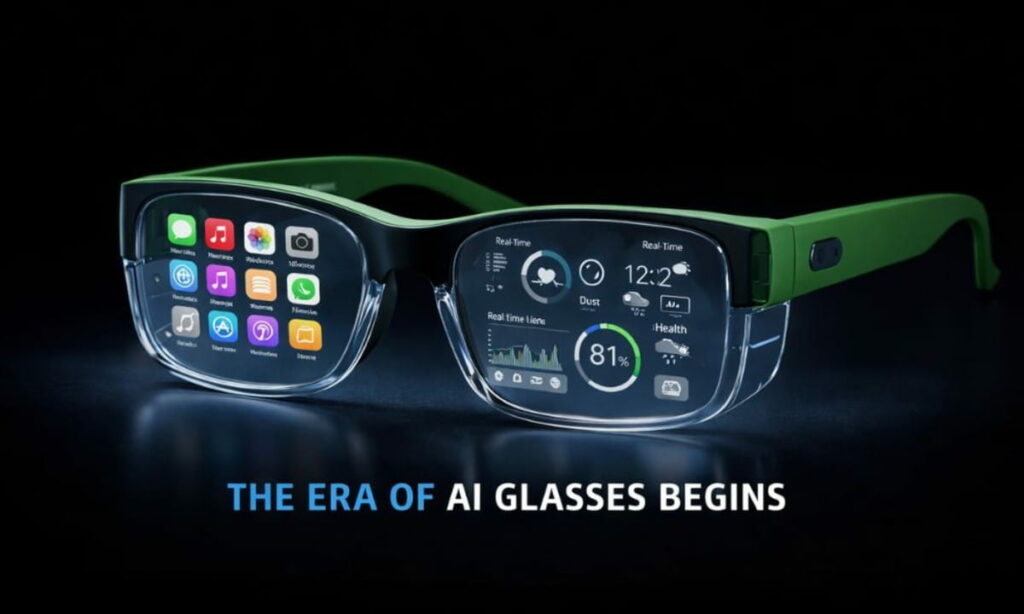
The dollar amount looks relatively small next to Apple’s overall size. The reputational question cuts deeper.
Apple struggled with quality issues and delays as competitors like Microsoft and Google moved quickly. Notification summaries sometimes misrepresented news reports, and the highly anticipated enhanced Siri was pushed back multiple times. The company also saw major internal shifts, including the retirement of its AI head, John Giannandrea, in December.
The National Advertising Division separately recommended in 2025 that Apple change or stop certain Apple Intelligence availability claims, after a review found consumers could reasonably believe promoted features already worked.
Beyond the legal trouble, this settlement sends a direct message to every major tech firm racing to market artificial intelligence products. Courts and consumers now expect honest timelines, not just bold launch-day promises.
At the time of writing, the long-overdue Siri features are still not available to end users. They are expected to roll out with the iOS 27 update, set to debut at WWDC 2026 on June 8. A separate class-action lawsuit over the same delayed Siri features continues in parallel.
Apple built its modern reputation on launches where the software matched the stage demo. Artificial intelligence has tested that formula harder than anything before it. Buyers paid premium prices for iPhones positioned around a new software era. When the headline feature slipped, they went to court.
The outcome here could reshape how Big Tech talks about AI features before they ship. Previewing coming tools months before release is standard practice across the industry. This case shows that gap between the promise and the product now carries real legal weight.
Do you think Apple overpromised on its artificial intelligence features, or are delays just part of the reality when companies push new technology? Please share your opinion in the comments below.