

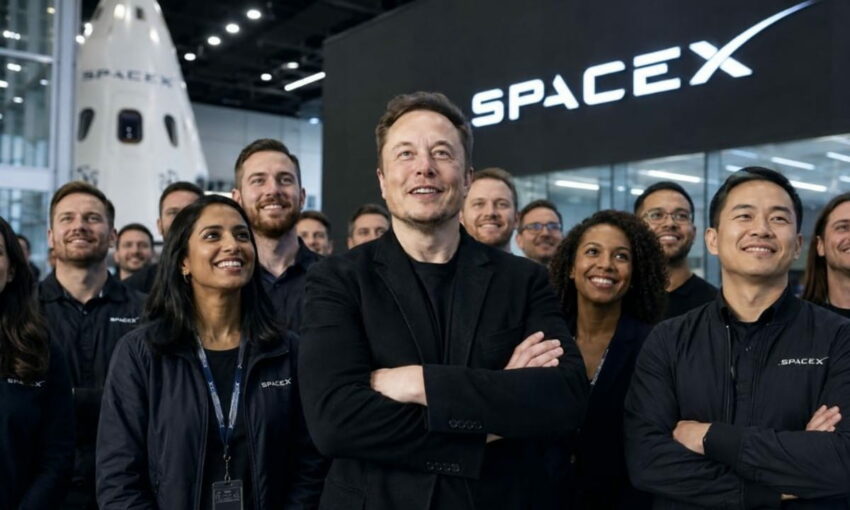
SpaceX has agreed to buy Anysphere, the company behind the coding agent Cursor, in an all-stock transaction worth $60 billion. The move could shift power across the AI industry. The $60B Cursor deal gives Elon Musk’s rocket and technology company control of one of the fastest-growing coding agents on the market. It also pushes SpaceX deeper into enterprise software, where firms now spend heavily on tools that help engineers write, fix, and ship code.
SpaceX confirmed the agreement Tuesday in a securities filing. Each share of Cursor stock will convert into SpaceX Class A stock. The exchange ratio will track the volume-weighted average price of SpaceX shares over the seven trading days preceding the close. The company expects the merger to close in the third quarter, pending regulatory approval.
The deal lands days after a record IPO
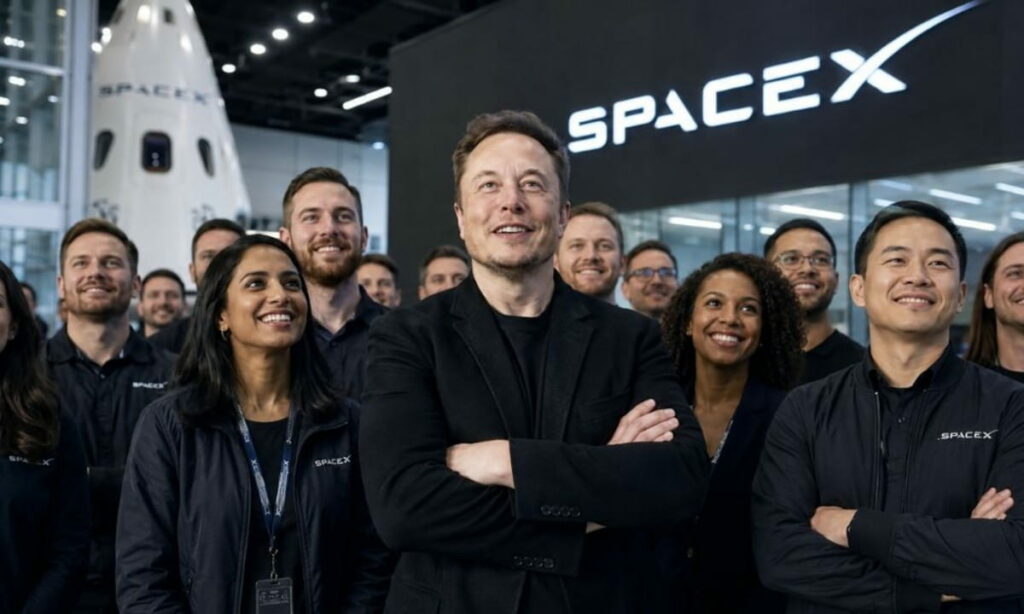
The $60B Cursor deal arrives just days after SpaceX went public. The company raised about $75 billion in the largest initial public offering in history. Its shares then climbed for three straight sessions, lifting its market value above $2.7 trillion.
That timing matters. SpaceX now holds a powerful stock currency, and it can use it to expand quickly. The company no longer wants the market to see it only as a rocket and satellite business. It wants a seat among the most important AI companies in the world.
Cursor gives Musk a foothold with developers
Cursor helped launch the “vibe-coding” era, and it already earns billions of dollars in annual revenue. Developers use it to write code, debug software, review files, and ship products with help from several AI models.
Its flexibility stands out. Cursor lets users switch between models from OpenAI, Anthropic, Google, xAI, and others. That choice draws a loyal base of engineers.
Musk already controls xAI, which SpaceX absorbed in February, plus the Grok chatbot. Yet many enterprise buyers have kept their distance from Grok. The $60B Cursor deal hands SpaceX a product that those buyers already trust.
The enterprise race is the real prize
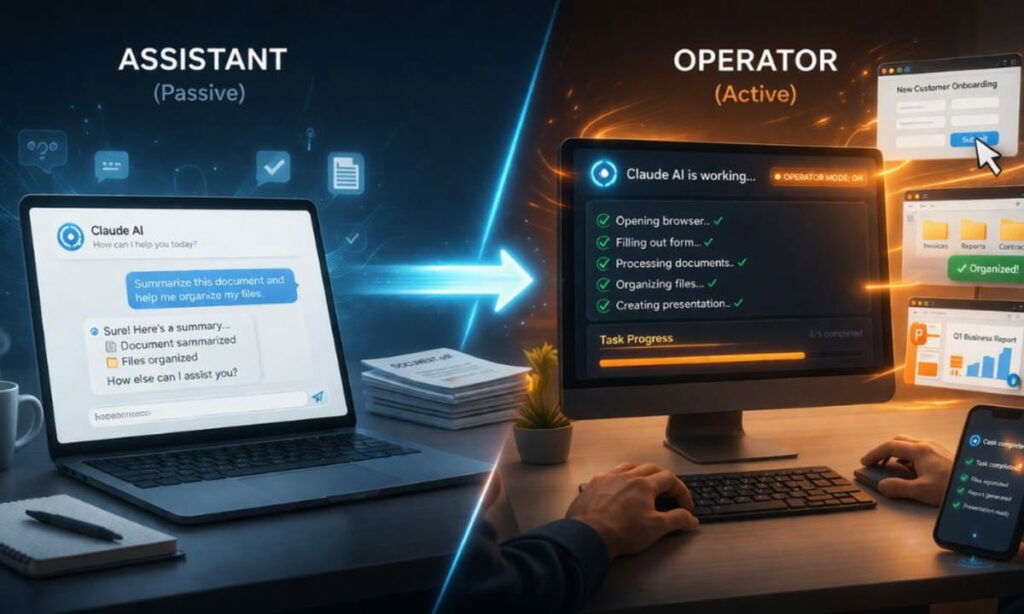
The story runs deeper than the price tag. SpaceX wants to close the gap with rivals in business AI, and coding tools sit near the center of that fight.
OpenAI has Codex. Anthropic has Claude Code. Google offers its own developer tools and model lineup. Each company wants the software-building layer because that layer delivers data, customers, and daily use. That fight now pulls SpaceX in, too.
This is why the $60B Cursor deal looks larger than a routine startup purchase. SpaceX does not just buy a tool. It buys a path onto the screens of software engineers, product teams, and large enterprises.
Truell signals bigger model ambitions
Cursor Chief Executive Michael Truell framed the agreement as a way to speed up advanced model work. He said the tie-up would help Cursor sharpen its frontier AI capabilities “with the goal of building the world’s most useful AI models.”
That comment hints at the next phase. SpaceX may keep Cursor as a standalone product. It will likely also use the startup to strengthen Grok and other coding systems under the xAI banner. SpaceX has said it plans to release a new model inside both Cursor and Grok Build, xAI’s coding agent, which the teams have trained together for months.
That ambition carries risk. Developers value Cursor because it stays neutral across models. They may push back if SpaceX tilts the product too far toward Grok. The $60B Cursor deal only works if SpaceX guards that neutrality.
A stock deal shows SpaceX’s new muscle
SpaceX will pay with stock rather than cash, and that structure tells its own story. The approach lets the company buy a major AI startup without draining the money it needs for rockets, satellites, and computing projects.
Many AI firms must raise fresh capital to grow. SpaceX can instead lean on its public valuation. If investors keep rewarding the stock, Musk can keep using shares to enter new markets. That edge is why the $60B Cursor deal could unsettle rivals.
Hard tests still lie ahead
The $60B Cursor deal does not promise success. Cursor must keep growing. SpaceX must show enterprise customers that it can support serious workplace software, and it must protect the trust that Cursor built with developers.
Competition will not ease. OpenAI and Anthropic carry strong momentum. Google holds deep technical resources. Microsoft, which weighed its own bid for Cursor before stepping back, still owns a wide enterprise reach.
Even so, the $60B Cursor deal has changed the conversation. It hands Musk a stronger position in one of the clearest money-making corners of AI, and it signals that SpaceX plans to compete far beyond space.
If SpaceX keeps Cursor open, fast, and useful, the $60B Cursor deal could rank among the most important technology moves of the year. If the company mishandles the product, developers may walk.
What do you think? Will SpaceX’s $60B Cursor deal make it a stronger AI rival, or could it weaken a tool that developers already trust? Please share your views in the comments.