

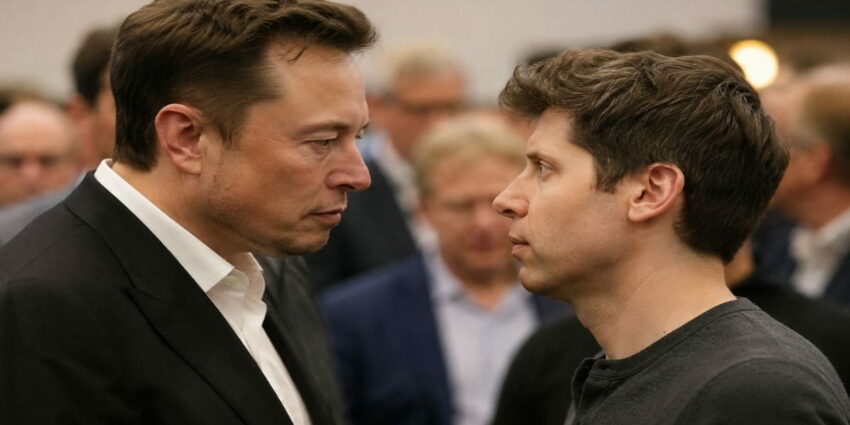
A California courtroom handed Sam Altman one of the cleanest legal victories of his career on Monday. A nine-member federal jury took fewer than two hours to throw out every claim Elon Musk brought against OpenAI, its chief executive and co-founder, Greg Brockman. The high-profile OpenAI lawsuit that gripped Silicon Valley for months ended Monday with a decisive loss for Elon Musk
The jury did not decide whether Musk’s core allegations had merit. Instead, jurors determined that Musk knew or should have known about OpenAI’s shift to a for-profit structure years before he filed the OpenAI lawsuit in 2024.
Under applicable law, that delay meant his claims could not move forward.
U.S. District Judge Yvonne Gonzalez Rogers adopted the advisory verdict immediately and dismissed the case. She left no room for doubt.
“There’s a substantial amount of evidence to support the jury’s finding,” she said from the bench.
A feud that gripped Silicon Valley
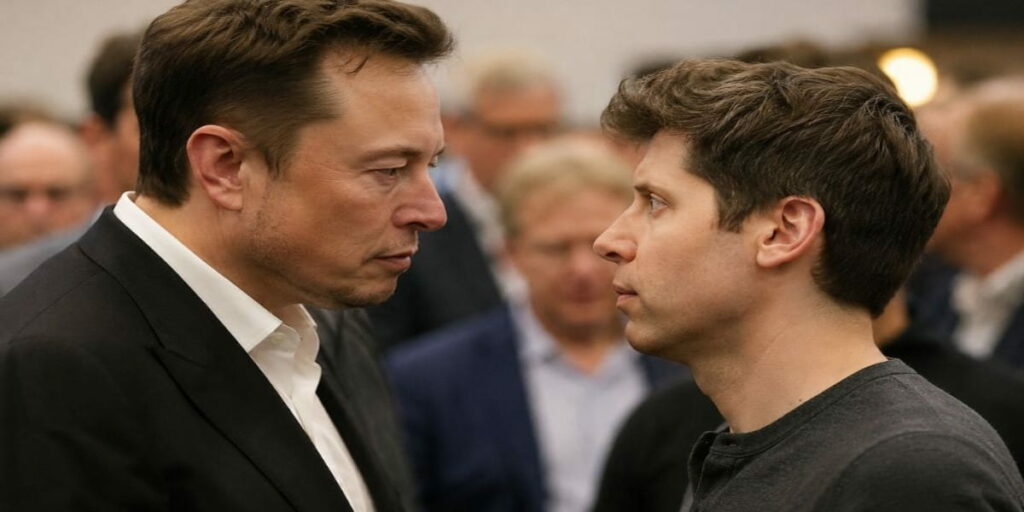
The OpenAI lawsuit drew wide attention across the technology industry over its three-week run. Jurors heard from Altman, Brockman, Microsoft CEO Satya Nadella, and Musk himself, in a blockbuster proceeding that many observers said could have reshaped the race to develop advanced AI.
Musk helped start OpenAI in 2015 alongside Altman and others, contributing roughly $38 million in early funding. He left the board in 2018. Years later, he watched the organization he helped build become one of the most commercially powerful technology companies in the world — without him.
He filed the OpenAI lawsuit in February 2024, accusing Altman and Brockman of converting a nonprofit built on public-interest ideals into a vehicle for personal enrichment.
“I was a fool,” Musk told the court earlier this month. “I gave them free funding to create a startup.”
His legal team pushed for sweeping relief. They wanted the court to unwind OpenAI’s restructuring, remove Altman and Brockman from their positions, and redirect money back to the nonprofit arm of the organization.
OpenAI’s counter-argument won the room
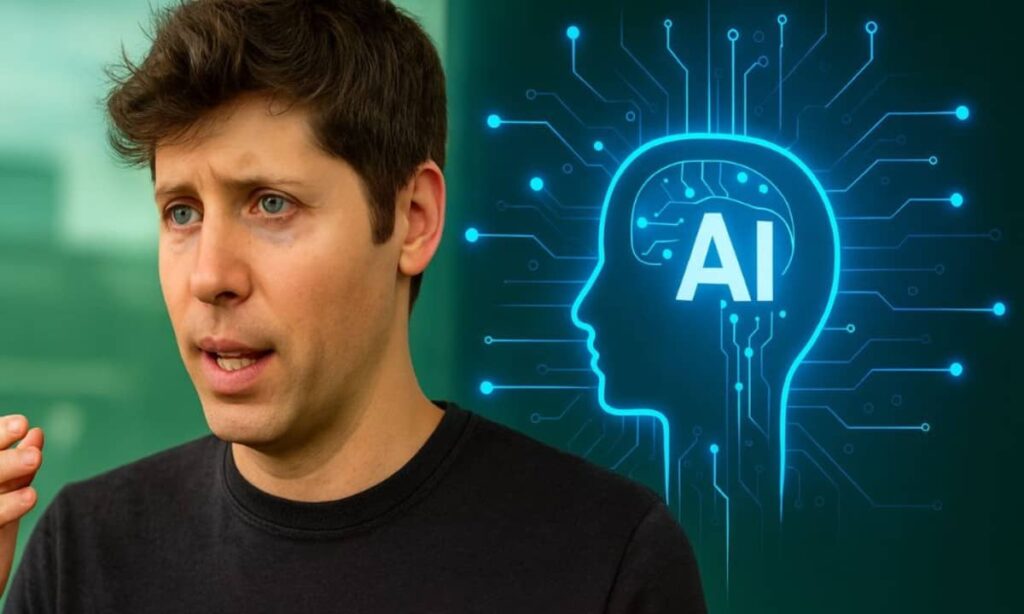
OpenAI’s attorneys argued the company’s mission has not changed, that a nonprofit board still governs it, and that Musk waited to file the OpenAI lawsuit only after launching his own competing AI company, xAI, in 2023.
They told jurors that restructuring was the only realistic way to raise the capital needed to compete with rivals like Google DeepMind.
OpenAI’s lawyers also argued that Musk supported the creation of a for-profit subsidiary to attract large investments, and that he was unhappy primarily because OpenAI succeeded without him, not because it betrayed a charitable mission.
“The finding of the jury confirms that what this lawsuit was was a hypocritical attempt to sabotage a competitor,” OpenAI attorney William Savitt said after the verdict.
Microsoft walks away clean
The OpenAI lawsuit also named Microsoft as a defendant.
He sued the company for aiding OpenAI through investments totaling $13 billion between 2019 and 2023. That claim was also dismissed. Microsoft welcomed the decision and said the timeline had long made the facts clear.
Musk calls it a technicality, promises appeal
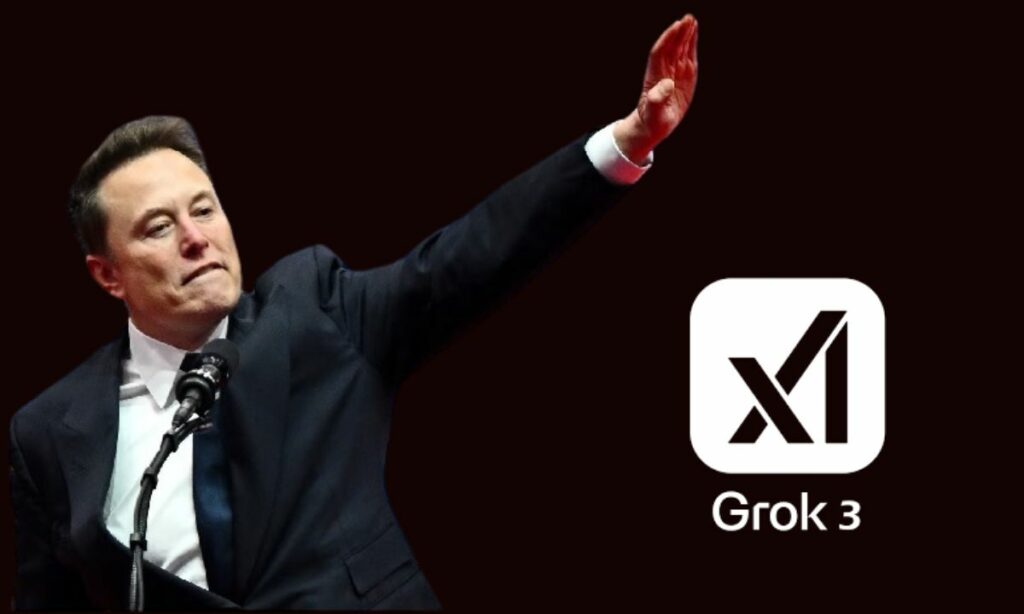
In a post on his social network X, he called the OpenAI lawsuit outcome a ‘calendar technicality.
His legal team argued the case deserved a full review on its substance, not a procedural dismissal. Musk and his attorneys said they would appeal the verdict to the 9th Circuit U.S. Court of Appeals.
Musk repeated his claim that Altman and Brockman viewed OpenAI as a means to great wealth. “Altman & Brockman did in fact enrich themselves by stealing a charity,” he wrote.
His lead attorney, Marc Toberoff, pushed back against the narrative that the suit was driven by competition. He framed it as a fight over public trust and the legal obligations of nonprofit founders amid massive investment in AI.
What the verdict means for OpenAI
The OpenAI lawsuit also set a clear precedent for the broader tech industry.
The ruling leaves OpenAI’s current structure intact and clears a major legal challenge hanging over one of the world’s most valuable AI companies as it moves toward a potential blockbuster IPO. Altman now faces one fewer battlefield as OpenAI manages pressure from investors, regulators, and rivals at the same time.
The case also set a clear precedent. Founding ideals carry weight in public discourse — but legal deadlines carry weight in court. Anyone looking to challenge the transformation of a technology nonprofit must act within the window the law allows. Waiting years and filing a lawsuit only after launching a competing business will raise serious timing questions.
The deeper debate over OpenAI’s direction is far from over. Regulators continue to scrutinize how the company balances its public-interest language with a commercial expansion that now includes billions in outside investment and a coming push into the public markets. That tension will outlast any single lawsuit.
For now, the court ruled in favor of OpenAI. Musk will pursue the appeal. And somewhere between those two outcomes sits the bigger question the jury never had to answer — whether a company built on a promise to humanity can keep that promise while also chasing the market.
What do you think? Did the court make the right call by focusing on timing, or should the OpenAI lawsuit have received a full hearing on the merits? Please drop your thoughts in the comments below.