

Actor Li Jiao’e moved to Hengdian in 2024, chasing a dream. He landed background roles in microdramas, worked his way into speaking parts, and even got recognized on the street. Then the phone went quiet.
“There’s nothing,” Li said. “It’s like it was raining, and then suddenly the rain stopped.”
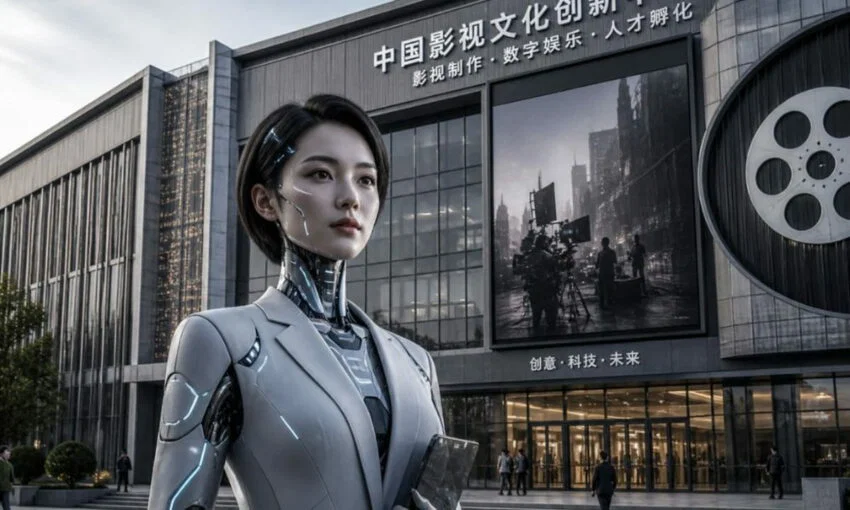
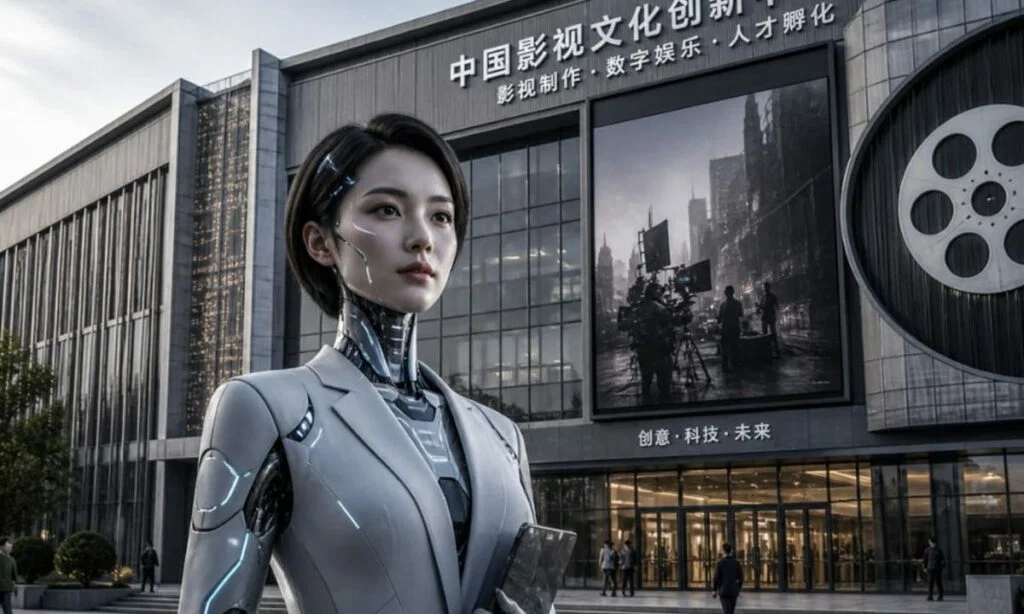
Li partly blames the tighter content standards at a major streaming platform. But he also points to something harder to fight — the rapid spread of digital actors across casting, production, and character creation in China’s entertainment sector.
His story is not unique. It has become a symbol of a much larger tension gripping one of the world’s most prolific content markets.
A format built for speed now runs even faster
Microdramas are short, mobile-first shows engineered for maximum velocity. Episodes run anywhere from 30 seconds to five minutes. Plots lean on romance, revenge, family conflict, and relentless cliffhangers. Viewers consume them during commutes, lunch breaks, and late-night scrolling sessions.
The format has grown well beyond a novelty. The U.S. International Trade Administration cited industry forecasts placing China’s microdrama market at 50.44 billion yuan in 2024, a jump of 34.9 percent year over year. That figure pushed the sector ahead of China’s mainland theatrical box office for the first time.
Growth did not slow from there. AI-generated comic-style microdramas captured roughly 16.8 billion yuan in market share in 2025. Industry reporting also shows more than 10,000 such productions rolling out each month since early 2026.
That kind of volume explains why producers have moved toward synthetic tools. Digital actors can cut costs, compress production timelines, and help studios test more stories with fewer resources. They never need to travel, take a rest, get paid, or have a dressing room.
The likeness question breaks into the open

The tension sharpened when a major streaming platform announced it had built a database containing the likenesses of more than 100 performers. The company framed the project as a way to ease physical demands on working actors.
Workers and audiences read it differently. Critics warned that scaling up digital actors would drain demand for real performers, particularly those who depend on minor roles to cover basic expenses.
A separate incident deepened the alarm. A ByteDance-owned microdrama platform pulled a popular show after two social media users alleged the production had used their faces without permission to portray villains. The platform acknowledged the complaint and pledged to tighten its internal review process.
That case pushed the debate beyond paychecks. Performers began raising harder questions about consent, reputation, and long-term control over their own identities. A digital actor built from someone’s face does not expire. It can appear in scenes the original performer never approved. It can also damage careers if audiences assume the actor chose that role.
Beijing moves to draw boundaries
China’s regulators stepped into that gap in April. The Cyberspace Administration of China issued draft rules requiring clear labeling on all digital-human content and banning the use of a person’s data to build a digital likeness without explicit consent.
The proposed rules also restrict synthetic interactions with minors that mimic intimate relationships and prohibit content that threatens public security, personal privacy, or individual rights.
The message from Beijing is layered. Authorities want the industry to keep expanding. But they also want tighter controls over how digital actors, voice clones, and synthetic avatars reach audiences — and under what conditions.
Hengdian watches and waits

Back on the ground in Hengdian, the debate stays personal. Li said he does not oppose the technology in principle. His frustration runs deeper than that.
“They’re still just imitating humans or trying to make things more humanlike,” he said. “They should be trying to unleash more imagination, taking a more unconventional route.”
He added: “After all, our fundamental value as humans is in our ability to imagine.”
That argument cuts to the heart of China’s creative reckoning. Microdramas succeeded because they read mobile audiences better than older formats. They delivered fast emotion, sharp turns, and low-cost production at a national scale.
Now the same industry faces a defining choice. Studios can deploy digital actors to build richer worlds, reconstruct historical settings, and lower the barrier for smaller creators. They can also flood platforms with recycled faces, hollow scripts, and formula content.
Viewers may accept the first wave out of novelty. Keeping them will take something more durable.
Legal rules can only protect performers if platforms enforce them. Consent requirements matter only if companies apply them honestly. Labels help audiences only if they appear clearly and consistently — not buried in fine print.
Digital actors are already inside China’s entertainment industry. That debate is over.
The real fight now is over who controls them, how regulators police them, and what audiences will accept when the line between performer and program starts to disappear.
What are your thoughts on the increasing use of digital actors in the entertainment industry? Please share your views below.