

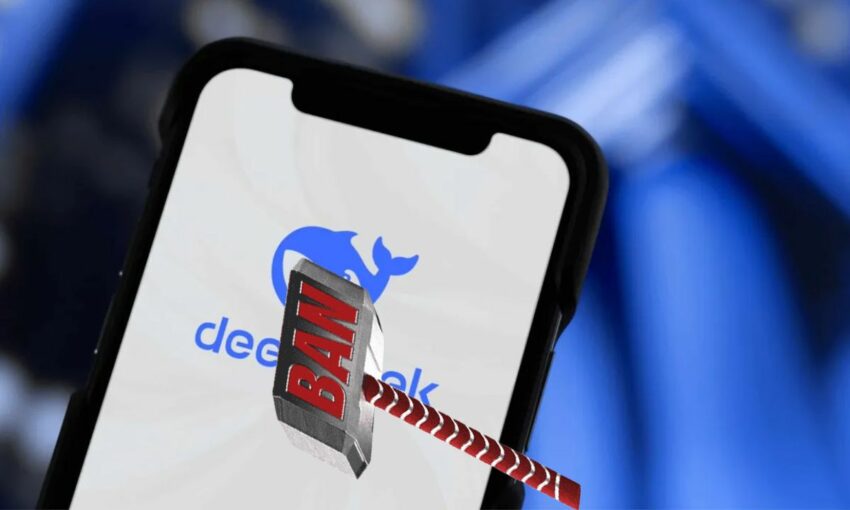
In a landmark decision that signals mounting international concerns over data privacy, South Korea’s Personal Information Protection Commission (PIPC) has implemented a suspension on new downloads of DeepSeek, a prominent Chinese artificial intelligence application.
The announcement, made on February 17, 2025, stems from the app’s failure to meet the country’s stringent personal data protection standards. This marks a significant moment in the ongoing dialogue between technological innovation and privacy rights.
Immediate impact and implementation
The suspension’s scope is precisely targeted – while new downloads are prohibited, existing users maintain their access to the application. Additionally, the web-based version of DeepSeek continues to function within South Korean borders.
The PIPC has established clear conditions for service resumption, contingent upon DeepSeek’s successful alignment with South Korean privacy regulations, demonstrating a balanced approach to enforcement.
DeepSeek response and compliance measures
DeepSeek’s reaction to the regulatory action has been swift and strategic. The company has voluntarily withdrawn its application from both major mobile platforms – Apple’s App Store and Google Play – within South Korea.
In a move toward compliance, DeepSeek has established legal representation within the country and acknowledged its previous oversights regarding local data protection requirements. Its latest move hints toward a commitment to addressing regulatory concerns.
Escalating government scrutiny of DeepSeek
The suspension represents the culmination of mounting concerns across various South Korean government entities. Prior to the PIPC’s action, multiple agencies had taken preventive measures: the Ministry of Industry implemented temporary restrictions on employee access, while the Defense Ministry enacted a complete block on military computers.
Notably, the National Intelligence Service (NIS) raised significant security concerns, highlighting DeepSeek’s extensive data collection practices, including the monitoring of keystroke patterns for user identification and the transmission of chat logs to Chinese-operated servers.
International implications and parallel actions
South Korea’s decision reflects a broader global movement scrutinizing DeepSeek’s data handling practices. Italy has taken similar regulatory action, with its data protection authority mandating a block on DeepSeek’s chatbot services.
In the United States, legislative efforts are underway through the proposed “No DeepSeek on Government Devices Act,” which aims to restrict federal employees from accessing the application on government-issued devices, citing concerns about potential data sharing with Chinese authorities.
The meteoric rise of DeepSeek raises eyebrows
Since its launch in January 2025, DeepSeek has experienced remarkable growth, particularly in South Korea, where it attracted approximately 1.2 million users to become the second most popular AI model in the country. The platform gained attention by offering capabilities comparable to OpenAI’s ChatGPT but at significantly lower costs, demonstrating the market’s appetite for accessible AI solutions.
Privacy concerns in the digital age
The suspension of DeepSeek in South Korea highlights the critical intersection of artificial intelligence and data privacy. As AI applications become increasingly integrated into daily life, the imperative for robust data protection measures grows stronger. This incident serves as a crucial reminder to AI developers worldwide about the importance of maintaining transparency and regulatory compliance to preserve user trust.
Future implications and industry impact
The tech industry is closely monitoring DeepSeek’s response to these regulatory challenges, as the outcome may establish precedents for AI governance and data protection globally. The situation underscores the delicate balance between fostering innovation and ensuring user privacy, potentially influencing how nations approach AI regulation in the future.
Regulatory Oversight
The PIPC’s action demonstrates the growing authority of regulatory bodies in governing AI applications and enforcing data protection standards. This intervention highlights the increasing sophistication of privacy protection frameworks and their application to emerging technologies.
Global Resonance
The coordinated response from multiple nations suggests an emerging international consensus on the importance of data privacy in AI applications. This alignment could lead to more standardized global approaches to AI regulation and data protection.
Industry Adaptation
The incident prompts AI developers to reevaluate their data handling practices, emphasizing the need for proactive compliance with international regulations to maintain market access and user trust.
Bottom line
South Korea’s latest move against DeepSeek emphasizes the fact that countries are starting to get serious about protecting people’s private information, even if it means limiting new technology. Think of it like setting rules for a new game – you want people to have fun, but you also need to make sure everyone stays safe.
This decision is a big deal because it shows other countries and tech companies that they need to be careful with people’s personal information. It’s like telling everyone who makes AI apps: “Yes, you can create cool new technology, but you have to make sure you’re protecting people’s privacy too.”
Going forward, this will probably mean that companies making AI apps will have to be more careful about how they collect and use people’s information. They’ll need to prove they can keep people’s data safe if they want their apps to be used around the world. It’s similar to how restaurants have to follow health and safety rules – AI companies will need to follow privacy rules.
This sets an example for other tech companies: if they want their AI products to be successful, they’ll need to think about privacy from the very beginning, not just as an afterthought. The way tech companies handle this challenge will shape how AI develops in the future.
What do you think? Leave your comment below.