

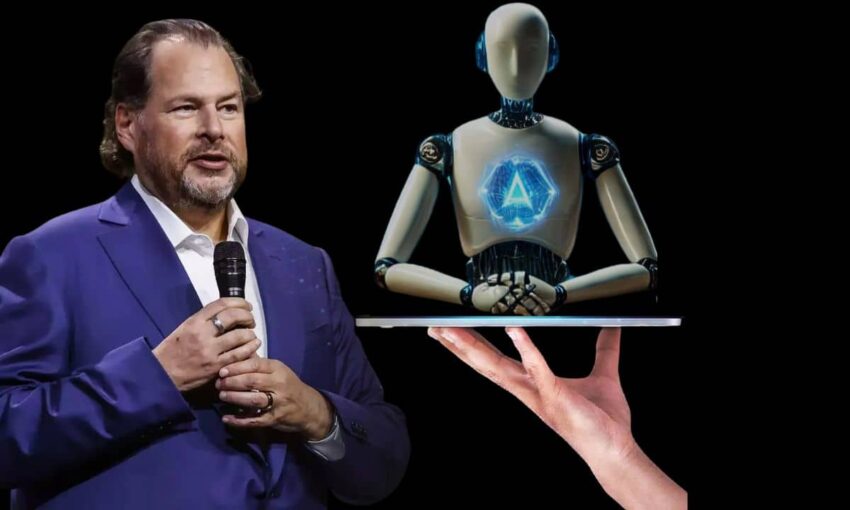
Salesforce Chief Executive Marc Benioff disclosed during a Bloomberg interview that artificial intelligence technology now manages between 30% and 50% of the company’s daily operations. This unprecedented integration spans multiple departments, including software development, programming tasks, customer service, data analysis, marketing campaigns, and brand management.
Benioff described this shift as a fundamental “digital workforce transformation,” emphasizing that Salesforce’s AI infrastructure maintains roughly 93% precision in customer interactions. This includes engagements with major corporate clients, such as Disney.
However, the CEO acknowledged that achieving perfect accuracy remains an unrealistic expectation, particularly noting that many industry competitors struggle with inferior data quality and metadata infrastructure.
Business context & market impact
Salesforce eliminated more than 1,000 positions earlier this year as part of its transition toward AI-centered business operations. Despite workforce reductions, the company maintains active recruitment focused specifically on artificial intelligence and machine learning roles.
“All of us have to get our head around this idea that AI could do things that before, we were doing before, and we can move on to do higher-value work,” notes Benioff, stating that AI accounts for about 30% to 50% of the company’s work.
Major technology corporations are implementing similar strategies. CrowdStrike and Amazon have deployed AI solutions to optimize staffing levels, while financial technology company Klarna documented a 40% personnel reduction, partially attributed to AI implementation.
The company’s “Agent Force” automation platform currently serves approximately 5,000 enterprise customers. Benioff projects expansion to support 1 billion AI agents by the end of 2025.
Strategic business implications
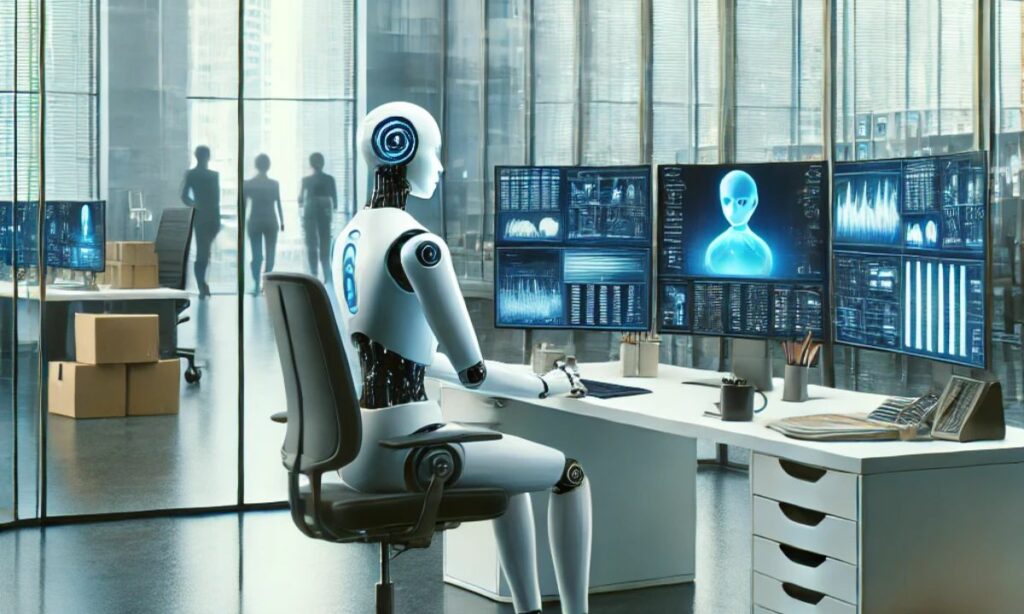
AI systems managing nearly half of internal operations demonstrate substantial productivity improvements while simultaneously transforming traditional job functions and responsibilities.
The Salesforce CEO envisions AI as a workforce multiplier, enabling employees to transition toward higher-value activities, including strategic planning, creative problem-solving, emotional intelligence applications, and relationship development.
While 93% accuracy represents a significant achievement, the leadership acknowledges ongoing concerns regarding cybersecurity threats, information accuracy, and comprehensive risk assessment protocols.
“It’s pretty good,” says Benioff, but not “realistic” to hit 100%, adding “other vendors are at much lower levels because they don’t have as much data and metadata for building higher accuracy.”
Industry expert & workforce reactions
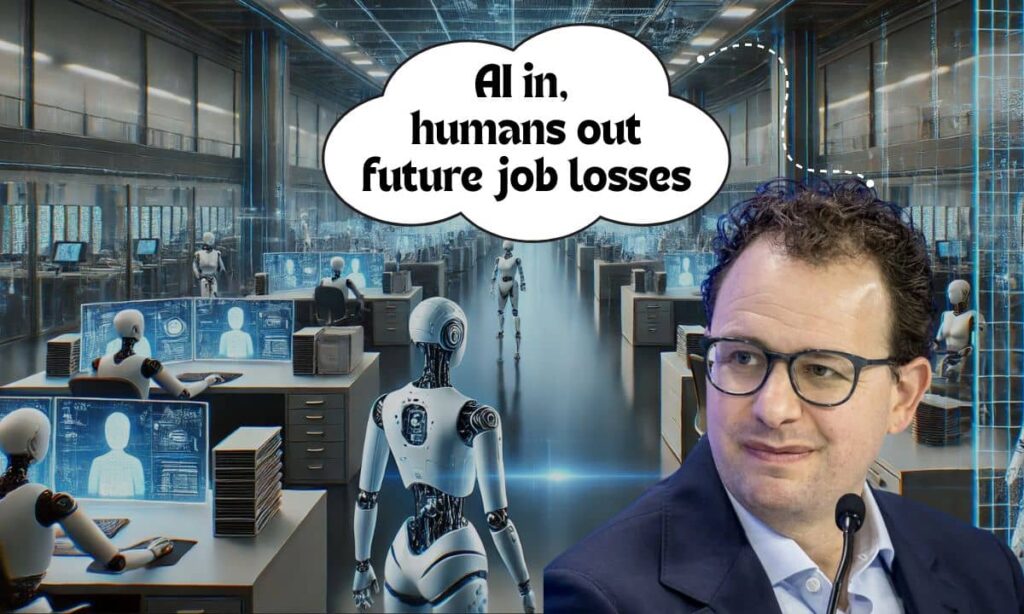
Corporate leadership maintains that AI automation liberates personnel from repetitive administrative tasks, creating opportunities for innovation, strategic thinking, and enhanced customer relationship management.
Industry critics challenge the validity of “30-50% workload” measurements, characterizing such claims as promotional messaging while expressing concerns that actual job displacement may exceed publicly reported figures.
Salesforce represents a leading example of AI-powered business transformation, fundamentally restructuring operations through intelligent automation while reducing routine task dependencies and maximizing organizational productivity.
With high-performance AI systems managing substantial operational components, the company is repositioning its human workforce toward roles emphasizing creativity, strategic analysis, and interpersonal skills. This “digital workforce revolution” signals broader industry transformation while generating important discussions about performance measurement, human-AI collaboration models, and employment evolution.
The implications extend beyond individual companies to entire industry sectors. As AI capabilities continue advancing, organizations must balance technological efficiency with human workforce development. The success of Salesforce’s approach may influence how other enterprises approach AI integration and workforce planning.
This transformation also highlights the importance of data quality and infrastructure investment in AI deployment success. Companies with robust data management systems appear better positioned to achieve higher AI accuracy rates and operational effectiveness.
The shift toward AI-human collaboration requires new management approaches and employee skill development programs. Organizations must invest in training programs that prepare workers for evolving job responsibilities while maintaining a competitive advantage through technology adoption.
Market analysts suggest this trend will accelerate across technology sectors, potentially reshaping employment patterns and business operational models. The focus on accuracy metrics and risk management indicates mature approaches to AI deployment rather than experimental implementations.
How do you think AI integration will reshape your industry? Share your insights on the balance between technological efficiency and human workforce value.