

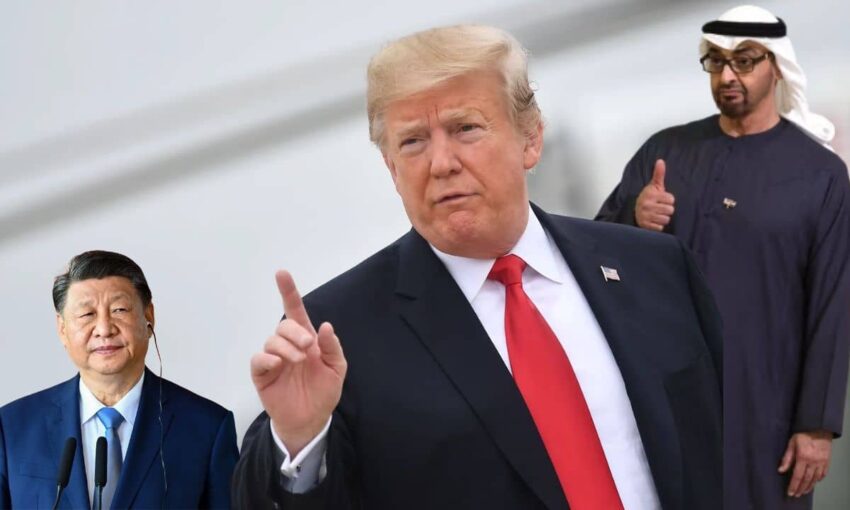
Proposed US AI super campus in UAE a severe jolt to China’s global tech ambitions
The United States has delivered a strategic blow to China’s technological ambitions by signing a landmark agreement with the United Arab Emirates to build the world’s largest artificial intelligence campus outside American borders. The unexpected partnership, announced Thursday, dramatically shifts the global AI landscape and establishes a powerful American-allied computing hub in a region where Beijing has been aggressively expanding its digital influence.
The historic arrangement outlines plans for a massive 10-square-mile computing complex powered by an unprecedented 5 gigawatts of electrical capacity.
As Rand Corporation analyst Lennart Heim noted on social platform X, this facility represents “enough power to support 2.5 million of Nvidia’s top-line B200 chips” and is “bigger than all other major AI infrastructure announcements we’ve seen so far.”
Massive computing power and chip access
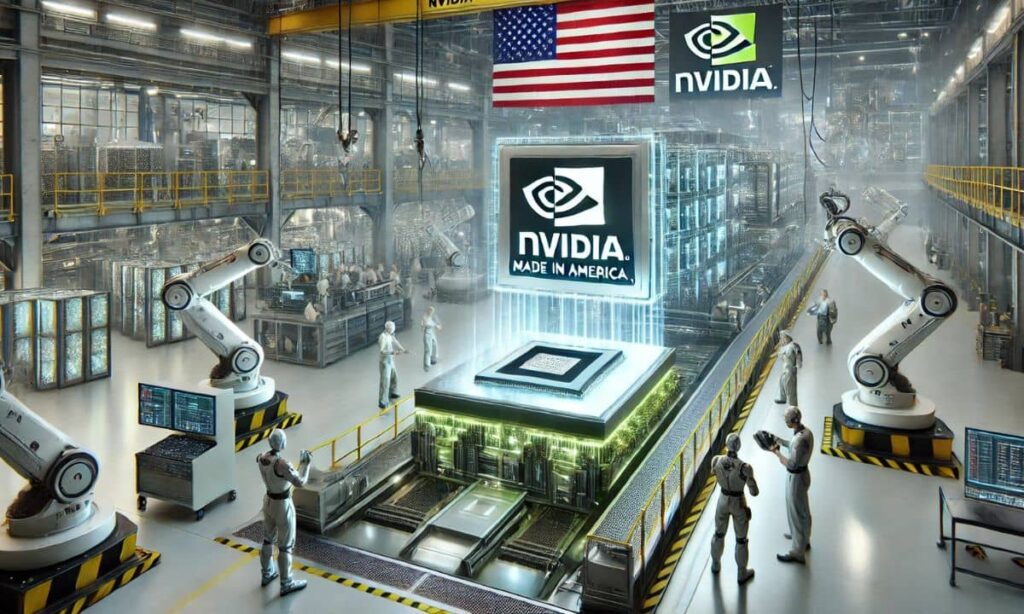
The framework permits the UAE to purchase up to 500,000 cutting-edge AI processors annually, including specialized computing chips manufactured by industry leaders Nvidia and Advanced Micro Devices. According to sources cited by Reuters, the UAE could begin importing these chips starting in 2025, marking a significant expansion of advanced technology access.
The project will be spearheaded by Emirati technology firm G42 in partnership with leading American tech corporations.
However, U.S. Secretary of Commerce Howard Lutnick emphasized, “American companies will operate the data centers and offer American-managed cloud computing services throughout the region,” ensuring U.S. control over critical infrastructure.
Trump administration reverses previous export restrictions
In a decisive policy shift, the Trump White House has abandoned Biden-era export rules that limited the global distribution of American-made AI chips. The previous administration had implemented a “diffusion” framework in its final weeks that categorized countries into tiers for chip access, placing restrictions on exports to nations including Saudi Arabia and the UAE.
Instead, the administration now favors direct government-to-government agreements to manage the distribution of these strategic technologies, creating a new counterbalance to China’s technology offerings.
Howard Lutnick, serving as U.S. commerce secretary, described the agreement as “a historic Middle Eastern partnership on AI.”
He emphasized that American companies will maintain operational control of the new computing facilities and provide U.S.-managed cloud computing services throughout the region, ensuring these capabilities remain outside Chinese influence.
Security concerns amid strategic relationships
Some experts and lawmakers have voiced concerns that the UAE’s established commercial and security ties with China could potentially compromise U.S. technology protections.
The near-term concern for some in Washington is that China could access advanced U.S.-made AI chips through Saudi Arabia, the UAE, and other third-party countries.
However, the White House has indicated that UAE officials agreed to keep computing power within the country, limit remote access to approved customers, and establish audit trails as safeguards against technology diversion.
According to a White House spokesperson, “President Trump and his administration remain committed to making the United States a global leader in AI, while also ensuring our most advanced technology does not fall into the hands of our adversaries.”
UAE’s vision for AI leadership
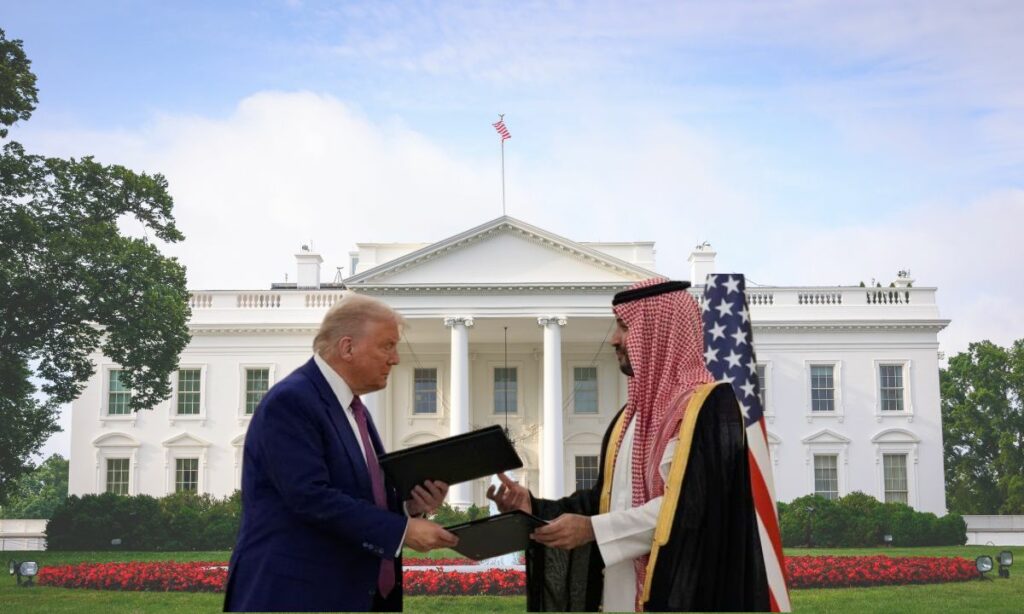
President Sheikh Mohamed bin Zayed Al Nahyan characterized the initiative as evidence of the UAE’s dedication to technological innovation and global leadership in artificial intelligence development. He highlighted plans to complement the computing campus with an adjacent science and research park focused on sustainable development solutions.
The UAE established itself as an early adopter of comprehensive AI strategies, appointing a federal minister dedicated to artificial intelligence in 2017 and launching a national AI framework that same year. This new facility positions Abu Dhabi as a central technology hub that could diminish China’s digital influence across the Middle East and Africa.
Contrasting approaches to tech export controls
The Biden administration had implemented a tiered classification system for semiconductor access in its final months, categorizing countries based on security relationships.
Under President Trump, these multilateral restrictions have been replaced with customized bilateral agreements that specify chip quantities and security protocols for each partner nation – a strategy that allows more targeted competition with China.
Regional AI investment boom
Beyond the UAE agreement, Trump’s diplomatic tour through Gulf states has resulted in multi-billion-dollar artificial intelligence partnerships in Saudi Arabia and Qatar. These investments reflect the region’s strategic ambition to establish itself as a third major center of global AI infrastructure, alongside existing hubs in the United States and China.
Several U.S. lawmakers are currently drafting legislation aimed at strengthening export controls and requiring location-verification technologies for advanced AI processors. These measures seek to prevent any diversion of American technology to competitors like China through regional partners.
Do you believe this U.S. strategy of building allied AI hubs will effectively counter China’s technological expansion? Share your thoughts on whether bilateral tech partnerships or multilateral restrictions better protect American interests in the comments below.