

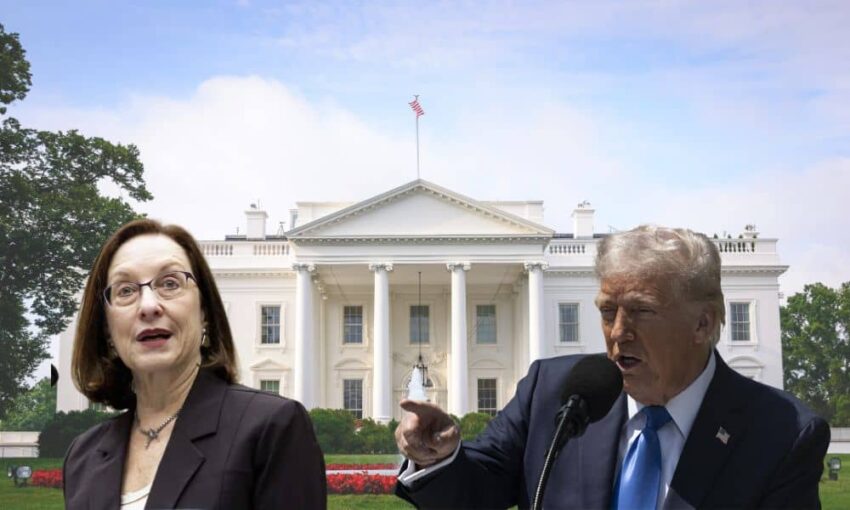
President Donald Trump removed Shira Perlmutter from her position as Register of Copyrights and director of the U.S. Copyright Office on May 10, sparking immediate controversy over executive power limits and intellectual property protection in the AI era. The firing occurred 24 hours after Perlmutter reportedly refused to approve tech billionaire Elon Musk’s proposal to use copyrighted materials for artificial intelligence training.
The timing has raised serious concerns about political interference in what should be an independent office. Perlmutter’s dismissal came shortly after her office released critical guidance on AI companies’ use of copyrighted content.
“This represents a flagrant, unprecedented overreach with zero legal foundation,” said Democratic Rep. Joe Morelle of New York, who serves as ranking member on the House Administration Committee.
Morelle emphasized that the suspicious timing strongly indicates improper political pressure on a position designed to operate independently from partisan influence.
Copyright Office AI guidance created friction
The Copyright Office recently published the third installment of its comprehensive analysis examining intellectual property implications in artificial intelligence. The document explicitly warned AI developers against assuming fair use automatically protects their mass collection of copyrighted materials.
“Commercial exploitation of extensive collections of copyrighted works to create competing expressive content exceeds established fair use parameters,” the report stated.
While stopping short of advocating for direct government intervention, the guidance encouraged the development of licensing marketplaces and alternative collective licensing frameworks to address market inefficiencies.
Legal battles underway
The copyright guidance comes amid escalating legal challenges across the tech sector. Major news organization The New York Times initiated legal action against OpenAI and Microsoft in December 2023, claiming their AI models trained on Times articles without authorization and now directly compete with its journalism products.
Additional consolidated lawsuits from publishers accuse AI companies of scraping paywalled content without permission. AI developers maintain that fair use doctrines protect essential research activities while acknowledging the need for clearer legal frameworks governing AI development and content usage.
Musk’s controversial copyright stance
The controversy highlights Elon Musk’s complicated position within AI development and policy. Musk, who co-founded OpenAI before launching his own AI startup xAI, has publicly advocated for sweeping intellectual property reform.
Last month, Musk publicly endorsed a social media statement calling to “eliminate all intellectual property law” — a position that alarmed content creators, publishers, and legislators. Musk’s AI ventures currently face legal scrutiny over whether fair use provisions adequately cover unauthorized data collection practices.
Perlmutter’s distinguished tenure cut short
Perlmutter, a Harvard-educated attorney with extensive intellectual property expertise, had served since October 2020 after being appointed by then-Librarian of Congress Carla Hayden. During her leadership, she modernized office operations, advocated for global standards addressing AI and copyright, and provided Congress with expert guidance on intellectual property legislation.
Her unexpected departure creates a leadership vacuum at the Copyright Office that hasn’t existed for decades, leaving critical policy decisions without experienced oversight during a transformative period for creative industries.
Creative community responds with alarm
The American Federation of Musicians issued a strong statement condemning the removal, warning it “will severely damage the entire copyright ecosystem.” The organization emphasized that Perlmutter’s expertise was essential for maintaining an appropriate balance between protecting creators’ rights and encouraging technological innovation.
“Vacant regulatory positions threaten the stability of industries dependent on robust copyright protection,” the union cautioned, highlighting the broader economic implications of disrupting copyright leadership during rapid technological change.
Bipartisan criticism and support
The termination drew swift condemnation from several lawmakers. Democratic Senators Adam Schiff and Chuck Schumer joined Representative Morelle in characterizing the firing as potentially unlawful executive overreach into legislative branch authorities.
Meanwhile, certain conservative advocacy organizations welcomed the leadership change, describing it as necessary to advance an “America First” approach to intellectual property policy and reduce bureaucratic inefficiencies in emerging AI regulation.
Constitutional questions emerge
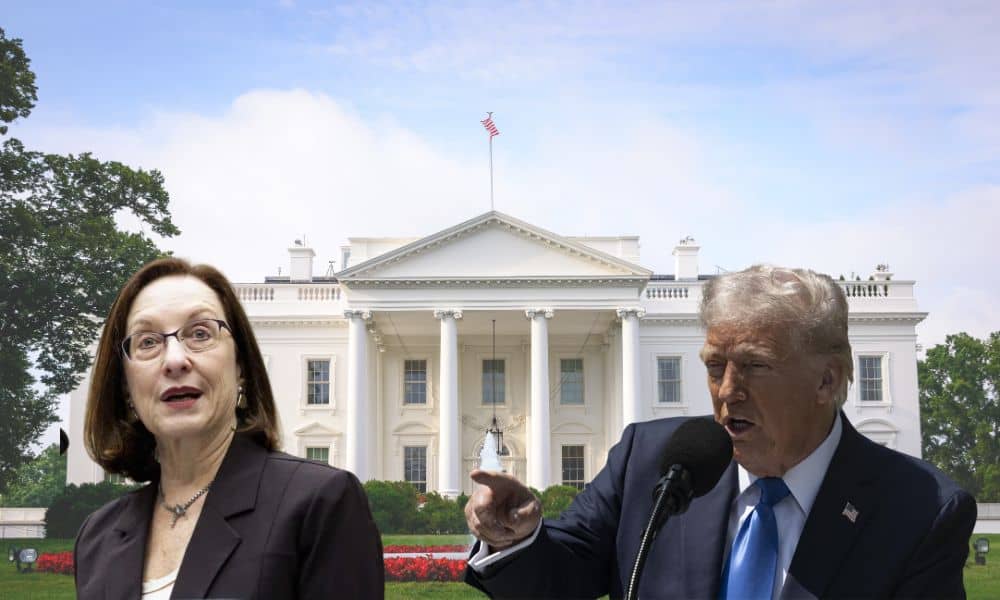
Legal experts are raising significant questions regarding presidential authority to remove the Register of Copyrights, a position specifically established by Congress to function independently from executive branch influence.
The unprecedented action has prompted lawmakers to consider new legislation clarifying removal procedures for legislative branch officials—a constitutional debate not seriously examined since the 19th century.
“This crosses fundamental separation of powers boundaries,” explained constitutional scholar Rebecca Tushnet from Harvard Law School. “The Copyright Office exists within the Library of Congress specifically to insulate copyright policy from political pressure.”
Uncertainty clouds AI development landscape
As the Copyright Office scrambles to address its leadership crisis, the artificial intelligence industry faces growing regulatory uncertainty. Developers, content creators, investors, and policymakers will carefully monitor subsequent developments in this evolving situation.
The controversy underscores the delicate intersection between political interests, copyright protection, and technological innovation at a critical juncture when clear regulatory guidance is increasingly essential for all stakeholders.
“Without stable leadership addressing these complex copyright questions, AI companies face unpredictable legal risks while content creators lack clear protection,” noted technology policy analyst Jonathan Taplin. “This regulatory vacuum could significantly slow American innovation precisely when global AI competition is intensifying.”
The White House has declined further comment on Perlmutter’s removal or plans for selecting her replacement. Congressional oversight committees have announced plans to investigate whether the dismissal violated federal law governing legislative branch appointments.
Industry observers predict this development may accelerate congressional efforts to enact comprehensive AI legislation addressing copyright, liability, and regulatory frameworks for artificial intelligence systems—issues previously moving at a deliberate pace through various committees.
What’s your take on this clash between AI innovation and copyright protection? Share your views below.