


Tech giant Apple Inc. is ramping up its artificial intelligence initiatives through the development of smart glasses powered by custom AI processors. A May 8 Bloomberg report reveals the company’s strategic push into wearable technology, positioning itself to rival Meta’s Ray-Ban smart glasses while expanding its silicon development across multiple product categories.
From consumer devices to enterprise-grade servers, Apple appears determined to establish itself as a central player in the evolving AI hardware landscape.
Apple targets 2026-27 for smart glasses debut
The Cupertino firm plans to begin mass production of its first smart glasses by late 2026 or early 2027. These wearables will incorporate a proprietary chip—codenamed “N401″—alongside cameras and microphones, though they won’t initially offer full augmented reality capabilities.
The glasses will likely feature AI-powered functionalities, including live translation, contactless media capture, and an intelligent visual assistant capable of identifying objects, describing environments, and providing directional guidance.
Unlike the bulkier Vision Pro headset, these glasses emphasize everyday practicality and subtle design. These factors are considered essential for widespread consumer adoption in the wearable tech space.
Purpose-built Silicon for visual intelligence

The “N401” processor forms the technological foundation of Apple’s smart glasses initiative. Sources indicate this specialized chip evolved from Apple Watch technology but has been extensively redesigned for minimal power consumption and enhanced camera integration.
This approach highlights Apple’s continued focus on creating tailor-made silicon solutions that precisely match hardware requirements and user expectations.
By leveraging internally developed processors, Apple maintains comprehensive control over performance metrics, security protocols, and energy efficiency. These are critical considerations for wearable devices requiring unobtrusive operation and extended battery performance.
Simultaneously, Apple continues development on several advanced chip families: “Komodo” (likely the M6), “Borneo” (presumably the M7), and a third high-performance processor codenamed “Sotra,” though specific details remain limited on the latter.
Baltra server chips reveal broader ambitions
Beyond consumer electronics, Apple is making significant investments in server-grade AI infrastructure through the development of chips codenamed “Baltra.” These specialized processors aim to substantially increase processing power for the company’s forthcoming “Apple Intelligence” services ecosystem.
Industry sources suggest these Baltra chips could achieve performance improvements up to eight times greater than current M3 Ultra processors—a substantial leap that would position Apple as a serious contender against established players like Nvidia and AMD, as well as emerging competitors, such as Huawei.
With full deployment targeted for 2027, this indicates Apple views artificial intelligence as a fundamental, long-term component of its product strategy, extending beyond consumer applications into core infrastructure supporting Siri, iCloud services, and Apple’s search capabilities.
Navigating the AI wearables competitive landscape

Apple’s entry into smart glasses responds to growing market interest in AI-enhanced wearable technology.
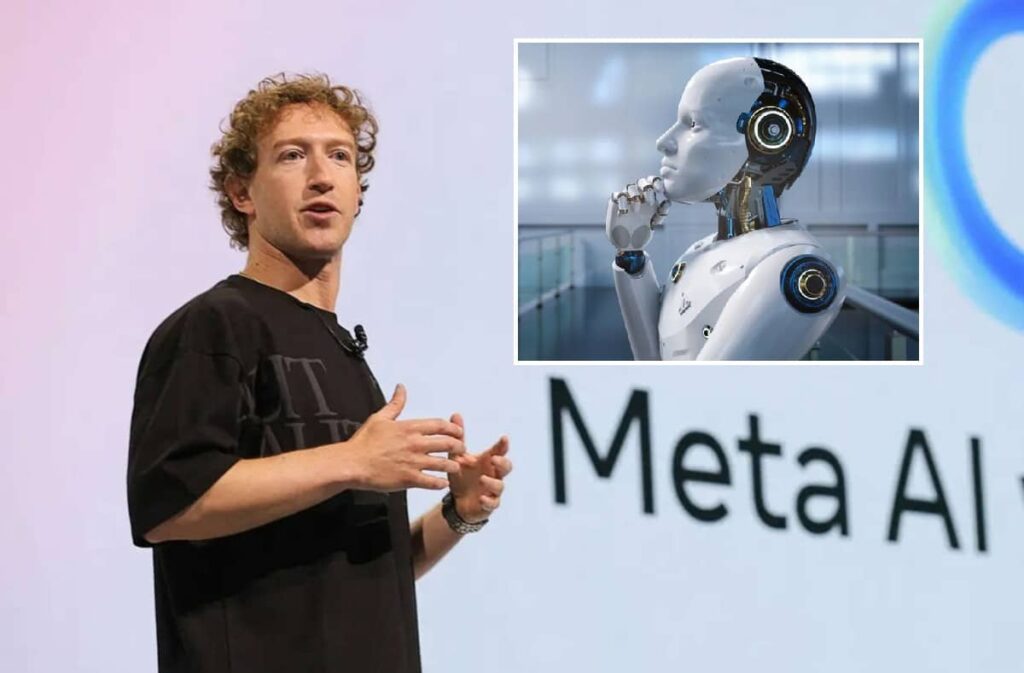
Meta currently leads this category with its second-generation Ray-Ban smart glasses, created in partnership with EssilorLuxottica and featuring Meta AI, a voice assistant that interprets images in real-time and facilitates social content sharing.
Apple’s competitive advantage likely centers on ecosystem integration. If the glasses connect seamlessly with iPhones, Macs, Apple Watches, and the upcoming “Apple Intelligence” platform, users may experience significantly smoother interactions than competing products provide.
Furthermore, Apple’s established reputation for privacy protection could differentiate its offering from alternatives that heavily depend on cloud processing and extensive data collection practices.
Artificial intelligence as core infrastructure
The accelerated development of dedicated processors and wearable devices indicates Apple now perceives AI not as a supplementary feature but as essential architecture. By embedding artificial intelligence capabilities directly at the silicon level across its product line, Apple appears to be positioning AI as a foundational platform, comparable to how iOS transformed mobile computing.
This strategy mirrors industry-wide trends, with Microsoft, Google, Amazon, and Meta all constructing proprietary AI frameworks. However, Apple’s distinctive approach—integrating custom hardware closely with software systems—may provide unique competitive advantages, particularly in wearable technology.
Future outlook
While Apple maintains public silence regarding its AI hardware roadmap, Bloomberg’s revelations suggest 2025-2026 will bring transformative developments. The ongoing shift from smartphone-centric computing toward ambient intelligence, where technology becomes increasingly integrated into daily activities, may depend on Apple’s success with these smart glasses and the performance of its specialized AI processors.
Apple’s potential expansion into smart glasses and AI server technology signals more than product diversification—it represents a fundamental evolution in the company’s strategic direction, suggesting substantial investment in artificial intelligence as both a software enhancement and hardware-driven revolution.
What’s your take on Apple’s AI-powered smart glasses strategy? Share your thoughts in the comments below.