

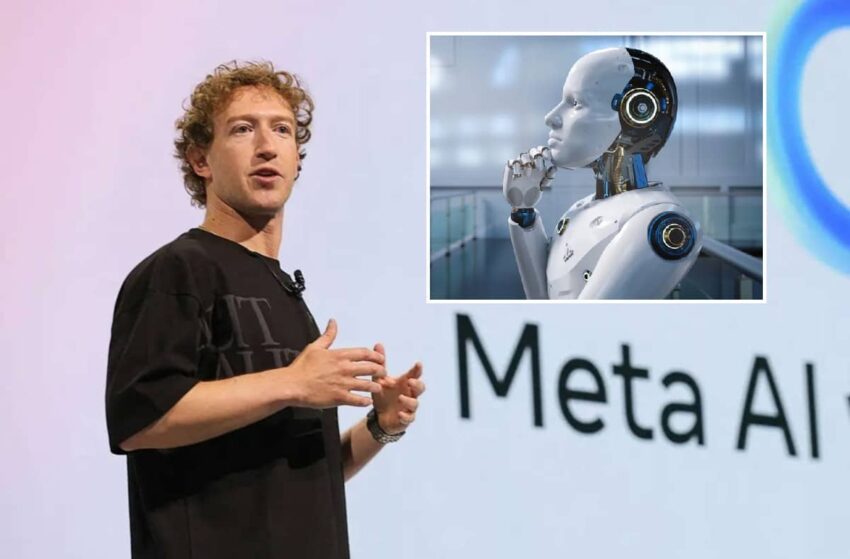
In a groundbreaking development that signals a major shift in the technology landscape, Meta Platforms has unveiled an ambitious initiative to develop advanced AI-powered humanoid robots. The announcement, made on February 14, 2025, represents a strategic pivot that could reshape the intersection of artificial intelligence and robotics, placing Meta in direct competition with established players like Tesla and emerging innovators, such as Figure AI.
Meta opens new AI chapter with Reality Labs
Meta’s commitment to this transformative vision takes concrete form through the establishment of a specialized robotics division within its Reality Labs organization. This new unit aims to push the boundaries of what’s possible in humanoid robotics, focusing on creating versatile machines capable of handling everything. This includes routine household tasks and complex industrial operations. The initiative leverages Meta’s expertise in artificial intelligence, particularly its successful Llama series of AI models, to develop robots with unprecedented adaptability and intelligence.
The robotics division represents a significant expansion of Meta’s technological portfolio, moving beyond virtual and augmented reality to create tangible, AI-driven solutions that could revolutionize human-machine interaction. This strategic move positions Meta to compete in the rapidly evolving market for advanced robotics systems while building on its established strengths in artificial intelligence and machine learning.

Strategic leadership appointments signal serious intent
Meta has demonstrated its commitment to this initiative through strategic leadership appointments that bring together expertise from various sectors of the technology industry. Marc Whitten, who previously served as CEO of autonomous vehicle pioneer Cruise, steps into the role of Vice President of Robotics. Whitten’s extensive background in automation and artificial intelligence positions him to guide Meta’s ambitious robotics program.
Complementing Whitten’s technical leadership, John Koryl joins Meta as Vice President of Retail, transitioning from his previous role as CEO of The RealReal. Koryl’s appointment underscores Meta’s holistic approach to product development and commercialization. It encompasses robotics as well as the company’s entire portfolio of AI and augmented reality products, including the Quest virtual reality headsets and Ray-Ban Meta smart glasses.
Innovation through collaboration: Building a robotics ecosystem
Meta’s approach to robotics development extends beyond creating standalone products. The company envisions establishing a comprehensive ecosystem that includes AI-driven sensors and software platforms designed for integration by third-party manufacturers. This strategy mirrors the transformative impact of Android in mobile computing, potentially creating a standardized platform for robotics development and deployment.
The company has initiated discussions with established robotics manufacturers, including Unitree Robotics and Figure AI, exploring potential partnerships that could accelerate the development and adoption of AI-powered humanoid robots. This collaborative approach could significantly expand the reach and impact of Meta’s robotics initiative while fostering innovation across the industry.
Financial commitment underscores long-term vision
Meta’s dedication to this transformative initiative is reflected in its substantial financial commitment, with a significant portion of its $65 billion investment budget for 2025 allocated to AI infrastructure and robotics development. This investment demonstrates Meta’s confidence in the future of AI-powered robotics, despite previous financial challenges within its Reality Labs division.
The scale of this investment positions Meta to compete effectively with other technology leaders investing in robotics while supporting the comprehensive research and development necessary to achieve breakthrough innovations in this complex field.
Competitive landscape and industry context
Meta’s entry into humanoid robotics intensifies competition in an already dynamic market. Tesla’s Optimus robot, introduced in 2022, has established early benchmarks for general-purpose humanoid robots. Similarly, Figure AI has demonstrated significant progress with its Figure 02 robot, capable of executing complex manual tasks with precision and adaptability.
These developments reflect a broader industry trend toward integrating advanced AI capabilities with physical robotics systems, creating machines that can interact more naturally and effectively with human environments. Meta’s initiative brings additional resources and expertise to this emerging field, potentially accelerating the development of practical applications for AI-powered robotics.
Implications and strategic vision
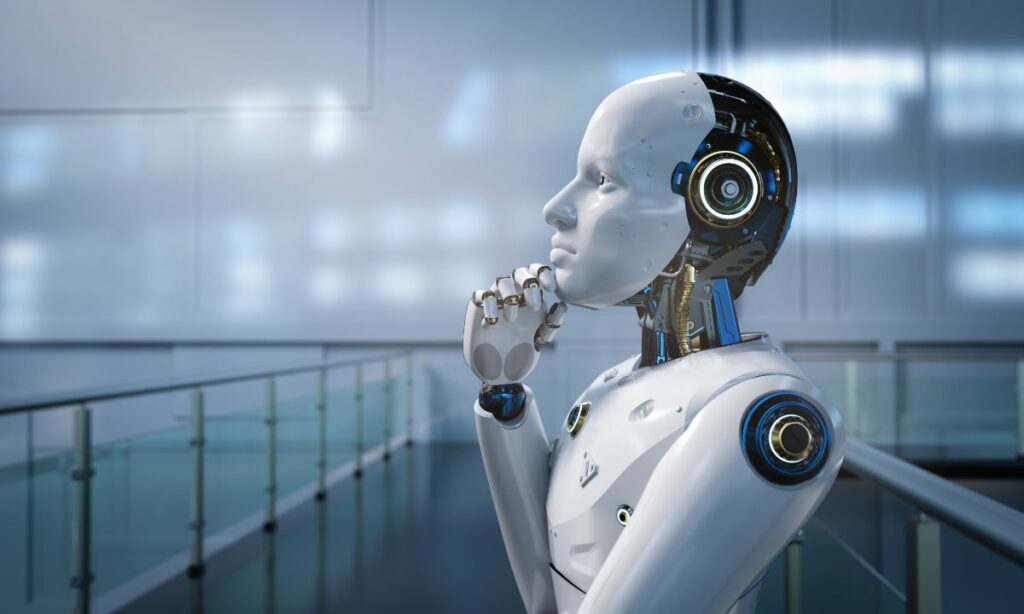
Meta’s investment in humanoid robotics represents more than a mere expansion of its technology portfolio. It signals a fundamental shift in the company’s strategic vision, moving beyond virtual and augmented reality to create physical embodiments of artificial intelligence that could transform both consumer and industrial applications.
By combining its expertise in AI and AR with innovative robotics technology, Meta aims to develop machines that can seamlessly integrate into daily life, enhancing human capabilities and improving quality of life across various contexts. This initiative has the potential to redefine Meta’s role in the technology sector while establishing new standards for the integration of AI and robotics.
The future
As Meta advances its robotics initiative, several critical questions emerge regarding its potential impact on industry dynamics, ethical considerations, and the future of human-machine interaction. The success of this ambitious program could influence everything from manufacturing and healthcare to education and entertainment, while raising important questions about privacy, safety, and the changing nature of work in an AI-enabled world.
Meta’s approach to addressing these challenges, particularly its emphasis on collaboration and ecosystem development, may provide a framework for responsible innovation in AI-powered robotics. The company’s progress in this area will be closely watched by industry observers, competitors, and potential partners alike.
What do you think? Leave your comment below.