

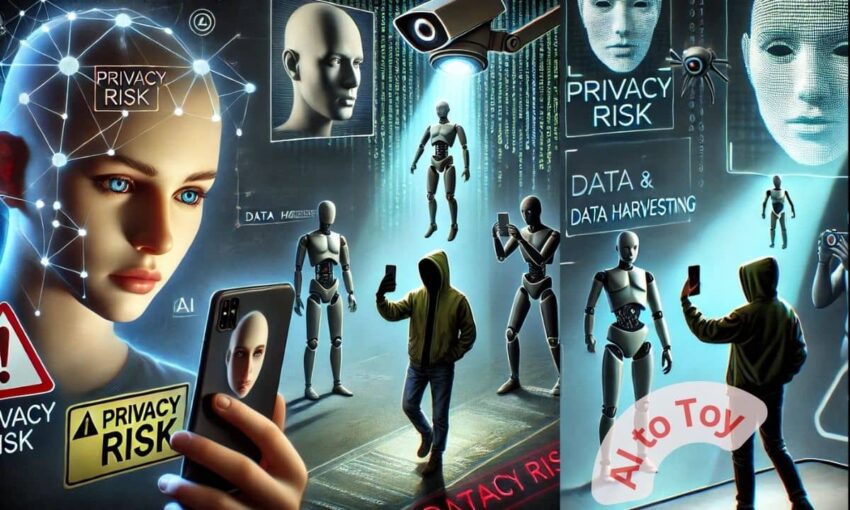
A new artificial intelligence trend has captured social media attention worldwide as users eagerly transform their selfies into toy-like versions of themselves. But security experts warn that this AI toy entertainment comes with significant privacy concerns that many participants overlook.
The “AI toy” phenomenon allows people to see themselves reimagined as plastic dolls, action figures, and collectible figurines through specialized apps and websites. While the results delight users, the underlying technology requires access to sensitive biometric data.
What is the AI toy trend?
Social media platforms have been flooded with images of users transformed into plastic-looking toys complete with shiny skin, fixed expressions, and themed backgrounds. The AI toy trend gained momentum after several viral videos showcased influencers as Barbie dolls, superheroes, and vintage action figures.
“People naturally enjoy seeing stylized versions of themselves,” said Marcus Hayes, digital culture analyst. “These transformations tap into childhood nostalgia, creating a powerful emotional connection that drives sharing.”
The AI toy apps provide quick transformations, often delivering results in seconds. Many services also offer physical products, allowing users to purchase 3D-printed figures of their digital creations.
How does technology work?
These applications use sophisticated AI systems trained on millions of images to convert ordinary selfies into toy-inspired artwork. The AI toy programs analyze facial features, map key points, and completely restructure the image according to the selected style.
The technology impresses with its ability to maintain recognizable features while applying dramatic stylistic changes. However, this capability requires a detailed analysis of facial characteristics that extends beyond simple photo filtering.
Privacy concerns emerge
Privacy advocates have raised alarms about the personal data being collected through these seemingly innocent AI toy applications.
“Users are providing detailed facial geometry data to companies with often vague privacy policies,” said Leah Miller, attorney and data privacy specialist. “Most people don’t realize they’re handing over biometric information that could be stored indefinitely.”
A recent FOX 13 News segment highlighted that many users skip reading terms of service agreements that often contain broad language about data usage rights. These agreements frequently permit companies to retain, repurpose, and even sell uploaded images and the data extracted from them.
Click2Houston reported that some applications explicitly state they will use uploaded images to further train their AI models, potentially allowing a user’s likeness to remain in company databases long after deleting the app.
Limited legal protection
Current U.S. regulations offer minimal protection for biometric data in most states. While Illinois and California have enacted stricter laws governing facial recognition and biometric information, most Americans have little recourse if their data is misused by AI toy programs.
“There’s a significant gap in regulation,” explained Professor Diane Kroll from the University of Michigan’s School of Law. “Users think they’re just using a harmless filter, but these platforms collect precise facial measurements and expressions that can be exploited in ways users never intended.”
Beyond data collection
The AI toy risks extend beyond privacy concerns. Security experts warn that detailed facial models can enable sophisticated impersonation attempts through deepfake technology or identity theft.
One Atlanta woman discovered last year that her AI-generated doll image had been manipulated and used in unauthorized advertisements for skincare products. “They used my likeness without permission,” she told reporters.
“We’re seeing the line between entertainment and identity theft growing dangerously thin,” cybersecurity analyst Alex Rodriguez said.
Protecting yourself
Experts recommend several precautions for those interested in trying these applications:
First, carefully review privacy policies and terms of service before uploading photos. Look specifically for language about data retention and usage rights.
Second, consider adding watermarks to images before sharing them publicly to discourage unauthorized use.
Third, avoid uploading photos of children or images containing sensitive information.
Finally, research the company behind any AI application, particularly regarding their location and applicable data protection laws.
Psychological aspects
Mental health professionals have also noted potential psychological impacts of these idealized AI toy transformations.
“There’s a concerning element when people prefer their perfected AI version to their actual appearance,” said Dr. Talia Freeman, clinical psychologist. “This can reinforce unhealthy body image issues and dissatisfaction with one’s real self.”
Some users report feeling disappointed with their actual AI toy appearance after seeing their flawless digital versions.
Entertainment vs. exploitation
The “AI toy” trend undeniably offers creative entertainment value. The transformations provide amusement and novel social media content that resonates with wide audiences.
However, as with many AI-powered technologies, the trade-offs deserve careful consideration.
“The key question is whether momentary entertainment justifies permanent surrender of biometric data,” said Hayes. “Most users aren’t making an informed decision because they don’t fully understand what they’re giving away.”
As artificial intelligence continues advancing into everyday experiences, the gap between technological capabilities and public understanding grows. The “AI toy” trend represents just one example of how entertaining applications can mask significant privacy implications.
For now, experts emphasize awareness and caution rather than complete avoidance. Understanding the potential risks allows AI toy users to make informed choices about their digital identity and personal information.
Doesn’t it remind you of the Ghibli trend? Have you tried an AI toy transformation app, or do you have concerns about sharing your biometric data for entertainment?
Please share your thoughts and experiences in the comments below.