


The rise of artificial intelligence has sparked widespread concern about employment stability across industries. AI systems now handle tasks once reserved for human workers—writing copy, processing data, creating visual content, and managing complex workflows. The central question looms larger each day: Can machines take over human roles entirely?
The reality proves more nuanced. While AI technology will transform how people work, certain careers remain protected by qualities that machines cannot duplicate. These professions require human intuition, emotional depth, ethical decision-making, and the ability to navigate unpredictable situations. They don’t just survive technological change. They exist beyond its reach.
Five occupations stand out as particularly resistant to automation, grounded in capabilities that remain uniquely human.
Medical professionals rely on compassion and connection
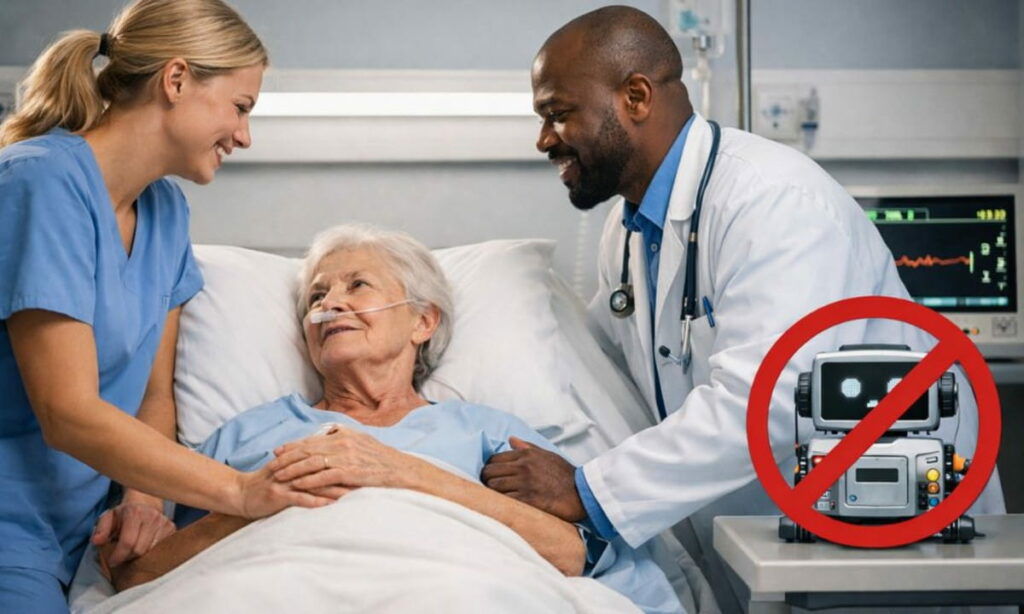
Nurses and direct care providers form the backbone of patient services worldwide. AI systems excel at tracking vital signs, identifying medical anomalies, and supporting diagnostic procedures. Yet no algorithm can substitute for human presence during a patient’s most vulnerable moments.
Medicine extends far beyond clinical protocols. It demands interpersonal sensitivity. Care workers interpret nonverbal cues, address psychological distress, and execute critical judgments that blend technical knowledge with gut-level awareness. Hospital settings shift rapidly and unpredictably. Human practitioners adjust to changing circumstances in ways that defy programming.
Global demographics point toward aging populations and expanding healthcare needs. Person-to-person care will remain indispensable. AI may enhance nursing workflows. But they cannot perform the work itself.
Trade workers solve tangible, complex problems
Electricians, plumbers, and automotive technicians operate in environments that resist standardization. Repairing corroded pipes in historic structures or diagnosing electrical faults during severe weather demands more than algorithmic solutions or remote controls.
These occupations require physical assessment and hands-on expertise. Professionals evaluate material conditions, modify approaches spontaneously, and apply knowledge earned through years of practice. Each job site presents unique challenges.
AI systems can improve appointment systems, support preliminary diagnostics, or enhance training programs. They cannot physically execute repairs, navigate cramped spaces, or troubleshoot mechanical failures under deadline pressure. Trade positions remain in high demand as aging infrastructure and urban growth create ongoing needs.
Therapists build healing through human understanding
Mental health practitioners face surging demand as psychological challenges intensify globally. Effective counseling depends on rapport established through authentic human interaction. Therapists decode vocal inflection, meaningful pauses, reluctance, and emotional undertones that computational systems miss entirely.
Digital tools can assist with initial assessments or provide structured self-help modules. They cannot establish therapeutic relationships or deliver sophisticated support for complex issues like trauma recovery, bereavement, or acute mental health crises.
Recovery requires genuine presence. Clients share difficult experiences because they sense understanding from another person. This fundamental connection remains irreplaceable.
Teachers shape minds beyond information transfer
Education involves far more than conveying facts and figures. Instructors influence character development, spark intellectual curiosity, and create frameworks for growth and motivation. Learning environments are inherently social. Educators moderate classroom interactions, adjust teaching methods in real time, and offer emotional support that extends beyond academics.
AI systems can customize learning materials and streamline assessment tasks. But they cannot replicate mentorship, maintain classroom discipline, or serve as inspirational figures that guide student development.
Modern education increasingly emphasizes developing critical analysis, ethical reasoning, and collaborative skills. These competencies require human guidance that technology cannot independently provide.
Business leaders carry responsibility beyond data analysis
Executives, entrepreneurs, and organizational leaders make strategic choices that transcend statistical modeling. They function amid ambiguity, balance diverse stakeholder priorities, and accept ethical accountability for consequences.
AI systems process market intelligence and optimize operational efficiency. They cannot build organizational trust, understand workplace culture, or assume responsibility when plans go wrong.
Leadership inherently involves risk-taking. It demands discernment informed by experience and core principles. During organizational crises, teams turn to people—not software—for guidance and reassurance.
Four foundational elements protect human employment
These professions endure because they rest on four cornerstones that resist full automation.
- Interpersonal bonds create trust, empathy, and emotional intelligence that machines cannot genuinely replicate.
- Dynamic settings require adaptability and physical intervention that algorithms cannot execute.
- Innovative problem-solving enables flexible responses to unprecedented challenges beyond programmed parameters.
- Ethical accountability requires humans to take ownership of decisions and base choices on moral principles that go beyond what numbers and data recommend.
The workplace future represents partnership, not replacement. AI systems will continue to improve efficiency, handle repetitive processes, and inform better decisions. But that won’t take away core human roles, which will transform rather than vanish.
Careers built on wisdom, empathy, and moral responsibility will remain central. Technology reshapes methods and tools. It cannot replace professionals who truly understand human needs, navigate real-world complexity, and accept accountability for their actions.
What’s your perspective on the impact of AI systems on your profession? Please share your views below.