

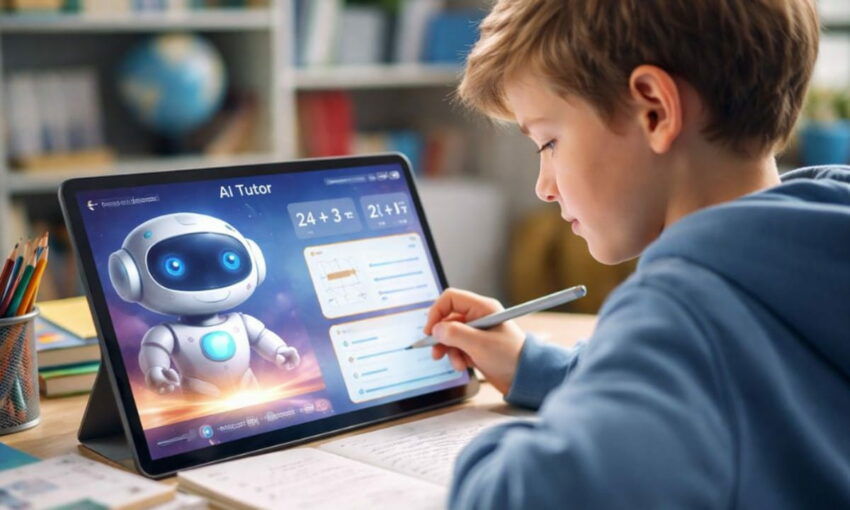
Fresh research warns of risks of artificial intelligence in classrooms. It may create more problems than it solves for young learners, igniting heated discussions among families, school staff, and tech specialists nationwide.
The comprehensive analysis, unveiled this week by the Brookings Institution’s Center for Universal Education, explores how AI platforms impact student learning, classroom participation, and mental development. The timing proves significant as schools rush to adopt AI-powered educational technology.
Researchers acknowledge that AI brings certain advantages over conventional teaching methods. Modern AI reading programs and language applications can customize instruction for each student and provide instant feedback to learner questions. Yet the study’s authors caution that these technological conveniences may exact a steep price from young minds.
The majority of learners say AI weakens cognitive abilities
The research drew participation from more than 500 individuals, including students, classroom instructors, guardians, and academic specialists. The results reveal a troubling pattern — 65% of student respondents reported that AI technology has damaged their analytical reasoning and creative problem-solving capabilities.
“Those findings match exactly what I observe in my classroom,” noted Diane Janetzke, who teaches high school in the greater Lansing region. “Kids reach for the easy way out rather than wrestling with challenging material. They jump immediately to AI-generated solutions instead of engaging with difficult concepts.”
Janetzke explained that young people increasingly turn to automated systems for worksheets and homework, often skipping past instructor input to obtain instant computer-generated responses.
Community members divided on risks of artificial intelligence in classroom
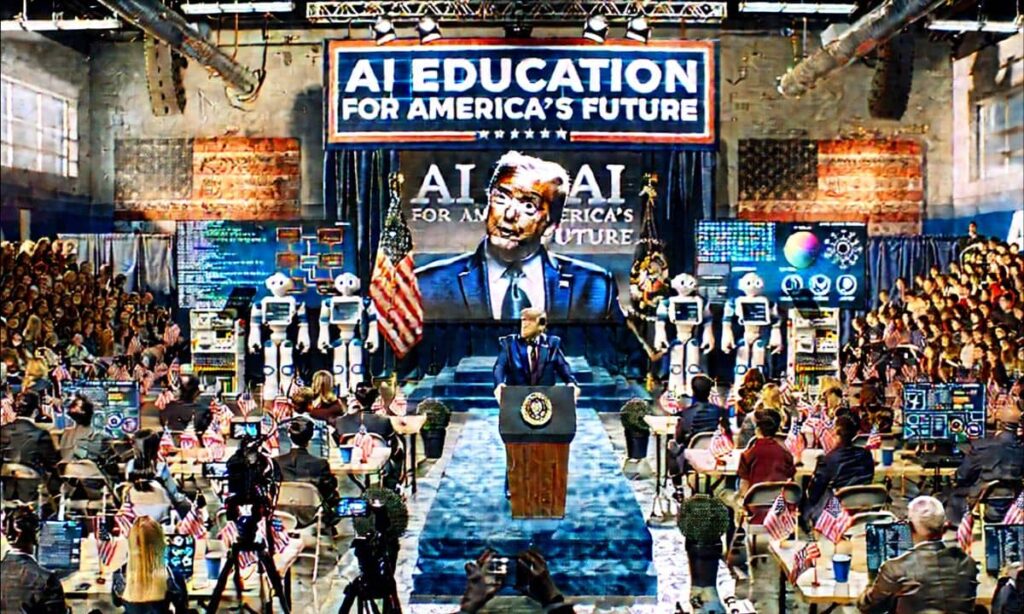
Area families and residents expressed contrasting perspectives on AI adoption in schools.
“I want to see greater integration because whenever fresh technology emerges, people need opportunities to master it,” said Lamar Buycks, whose children attend Holt schools.
He noted that AI platforms can encourage students to ask more sophisticated questions and strengthen their reasoning abilities when implemented thoughtfully.
Unlike those raising concerns of risks of artificial intelligence, Buycks represents a growing camp that views AI as a sophisticated learning companion — similar to virtual teaching assistants that clarify difficult topics without replacing human instruction or student effort.
Overreliance, diminished confidence top risks of artificial intelligence
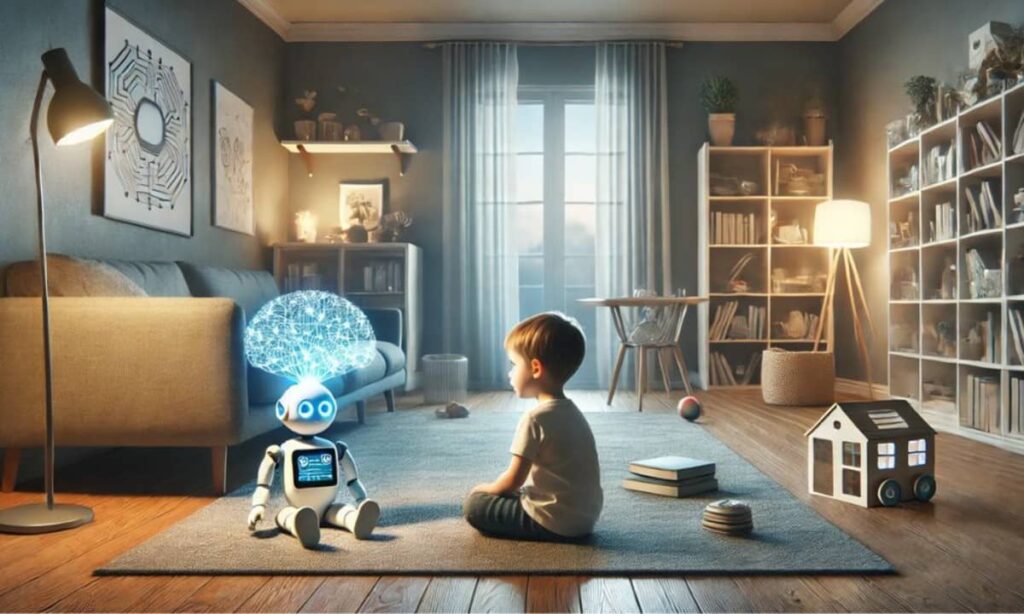
Beyond compromised critical thinking, students identified additional hazards. Many participants said that the growing reliance on AI systems has undermined their ability to make independent decisions and eroded their faith in their personal knowledge.
Sebastian James, who manages data and technology initiatives at Michigan United, a community advocacy nonprofit, shared these worries. He believes AI shows potential as an educational partner, assuming schools establish structured and purposeful guidelines for its use.
“Ensure students control the AI rather than letting AI control the students,” James emphasized.
He stressed that young learners must understand how to deploy these technologies intelligently, not as substitutes for genuine thinking.
James raised additional concerns regarding the risks of artificial intelligence, including information security and algorithmic fairness. His organization pushes elected officials and district administrators to establish transparent rules governing when and how AI belongs in learning environments without endangering student welfare.
Brookings researchers propose a collaborative framework
The study stops short of demanding complete bans on AI in education. Instead, research authors advocate for cooperative efforts among teachers, government leaders, software developers, and parents to guide responsible technology integration.
Primary suggestions include:
- Establishing firm boundaries for how AI assists rather than supplants fundamental teaching.
- Delivering professional development so educators gain competence using AI resources effectively.
- Tracking student technology habits to identify and prevent academic overdependence.
- Protecting learner information through enhanced privacy protocols and cybersecurity measures.
The report emphasizes these actions as critical to capturing AI benefits while protecting student cognitive growth and educational outcomes.
Teachers advocate measured implementation
Certain school districts have begun enacting regulations that restrict specific AI applications, particularly for take-home assignments and testing situations. Instructors contend that thoughtful rollout could enable students to leverage technology for deeper comprehension without bypassing essential learning struggles.
Opponents warn that excessive caution risks leaving schools technologically obsolete. They maintain that equipping students for modern careers demands hands-on experience with cutting-edge digital tools.
Looking forward
As AI capabilities expand rapidly, educational debates over classroom technology will likely intensify. The latest Brookings research contributes empirical evidence to nationwide conversations happening in schools, governance meetings, and legislative chambers.
Presently, both parents and teaching professionals wrestle with a fundamental challenge: How can educational institutions welcome innovation while preserving the foundational skills they exist to develop?
Are you concerned about the risks of artificial intelligence? Do you believe artificial intelligence belongs in K-12 classrooms? What limits would you place on student AI access? Please join the conversation in the comments section below.