

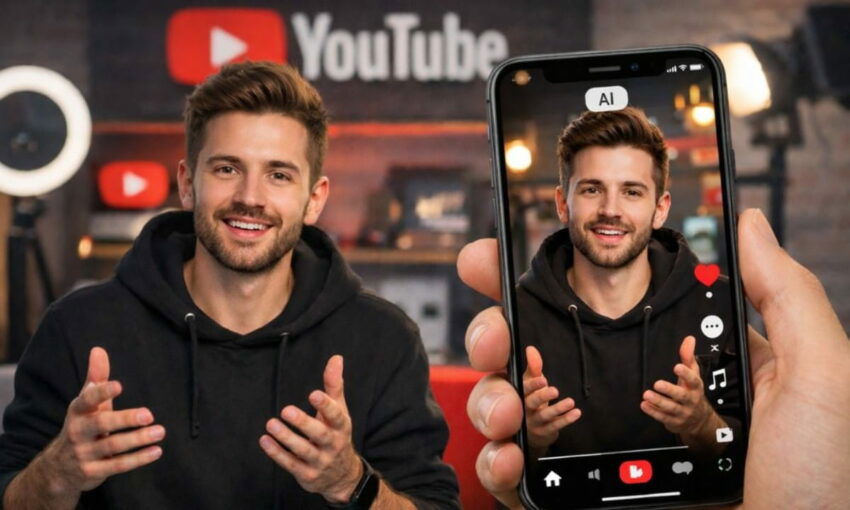
YouTube is rolling out technology that will transform how its most popular content is created. The platform’s creators will soon produce Shorts using artificial intelligence-powered digital versions of themselves, eliminating the need to appear on camera for every video.
YouTube CEO Neal Mohan revealed the initiative in his yearly message to content creators. The announcement signals a fundamental change in video production methods while attempting to keep creative control with individual users rather than the platform.
“This year you’ll be able to create a Short using your own likeness, produce games with a simple text prompt, and experiment with music,” Mohan stated.
He emphasized that artificial intelligence would serve as a creative instrument, not replace human creators entirely.
The development puts YouTube at the forefront of an industry-wide transformation. Social media companies are competing to deliver tools that accelerate content production while maintaining user oversight of their personal brands.
Massive viewership numbers fuel platform priorities
YouTube Shorts has evolved into a cornerstone of the company’s operations. The format generates 200 billion views daily, matching the reach of any comparable short-form video service worldwide. YouTube continues investing heavily in capabilities designed to maintain engagement as marketplace rivalry grows fiercer.
Enabling creators to deploy digital representations of themselves aligns with this business strategy. The technology promises quicker turnaround times, higher posting frequency, and innovative content types without requiring creators to film themselves constantly.
YouTube has not disclosed specific technical specifications about likeness-based video production or provided firm launch dates. The company also remains silent on whether every creator will receive access simultaneously or if initial availability will be restricted to select accounts for beta testing.
The capability will complement existing artificial intelligence features already integrated into Shorts. Current tools include automated video generation, stickers created by machine learning algorithms, and automatic translation that converts content into multiple languages.
Platform strengthens safeguards against unauthorized identity theft
While YouTube enables creators to harness their own digital representations, the company is simultaneously reinforcing protections against misuse by unauthorized parties. Identity security has emerged as one of the most contentious topics surrounding artificial intelligence applications in media production.
YouTube launched likeness-detection systems last October for qualified creators. The technology scans uploaded content for artificial intelligence-generated videos that incorporate a creator’s facial features or vocal patterns without authorization. Detected violations trigger removal requests from affected creators.
Mohan announced that additional management capabilities are in development. These features will grant creators expanded authority over how their digital identities appear in machine-generated content throughout the platform. The initiative demonstrates YouTube’s intention to sidestep legal challenges and reputation damage that have already affected competitors.
Google, YouTube’s parent corporation, faces mounting examination regarding how generative technologies intersect with intellectual property rights, personal identity, and user consent. YouTube’s measured approach suggests more conservative implementation than some industry rivals.
Combating spam and repetitive automated videos
YouTube confronts the same challenge facing other major platforms: an overwhelming influx of low-value, formulaic videos generated through automation. These clips typically pursue engagement metrics without delivering substantive viewer benefits.
Mohan tackled this concern directly in his communication. He noted that embracing experimentation has consistently driven YouTube’s growth, even when emerging trends initially appeared unconventional.
“Over the past 20 years, we’ve learned not to impose any preconceived notions on the creator ecosystem,” Mohan explained. “Today, once-odd trends like ASMR and watching other people play video games are mainstream hits.”
He acknowledged that flexibility carries obligations.
“But with this openness comes a responsibility to maintain the high-quality viewing experience that people want,” Mohan continued. “To reduce the spread of low-quality AI content, we’re actively building on our established systems that have been very successful in combatting spam and clickbait, and reducing the spread of low quality, repetitive content.”
These detection systems already significantly influence video recommendations. Expanding their capabilities becomes increasingly critical as artificial intelligence creation tools become more accessible and user-friendly.
Additional content formats entering the development pipeline
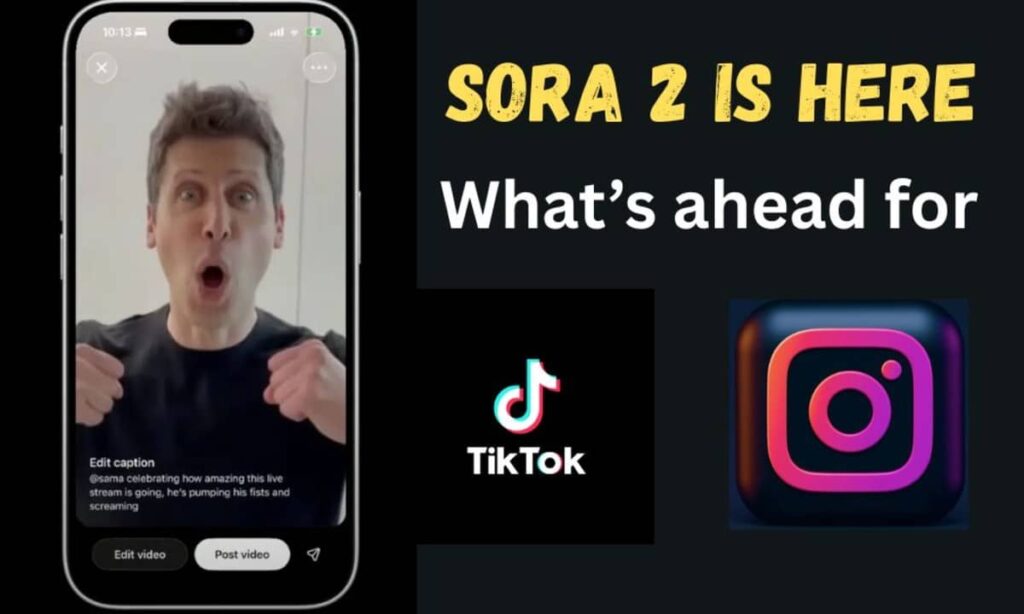
YouTube’s expansion plans for Shorts extend beyond traditional video. Mohan revealed the platform will introduce image-based posts within Shorts, mirroring formats already successful on competing platforms, including TikTok and Instagram Reels.
Image posts could provide creators another effortless method to maintain feed visibility while supplementing video-based content. Combined with likeness technology, the updates indicate YouTube’s commitment to supporting consistent creator output without inducing exhaustion.
Implications for content production and audience trust
The personal likeness capability could revolutionize creator workflows. It may facilitate faster trend responses, simplified multi-language adaptation, and more reliable publishing schedules. For audiences, it introduces questions about content authenticity and proper disclosure.
YouTube has not yet specified how likeness-based Shorts will be marked or explained to viewers. Transparency matters increasingly as artificial intelligence becomes more difficult to distinguish from conventional production methods.
Currently, YouTube frames the technology as expanding creative possibilities rather than replacing human participation. Whether creators and audiences embrace this philosophy will become apparent once the tools become available.
What’s your take on AI-powered creator likenesses in short-form videos? Please share your thoughts in the comments below and let us know if you’d watch content made this way.