

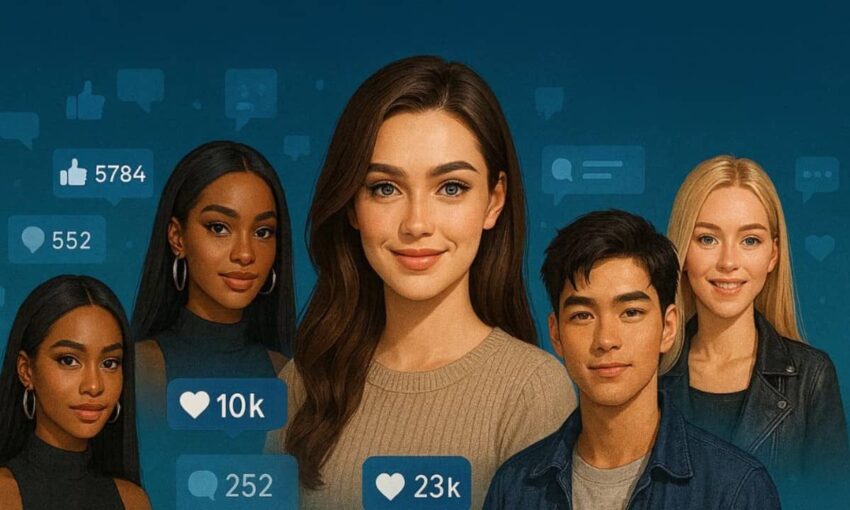
For over ten years, social media influencers have shaped online culture while building a thriving industry valued at over $32 billion by 2025. Today, a fresh wave of digital personalities threatens to transform this landscape entirely — computer-generated characters powered by artificial intelligence that operate around the clock without aging, getting tired, or backing out of brand commitments at the eleventh hour. Who are AI influencers?
Market researchers project that the worldwide virtual influencer sector will reach approximately $8.3 billion this year and potentially exceed $100 billion by the end of the decade, driven by corporate investments in AI-powered avatars capable of unlimited reuse across multiple marketing initiatives and social platforms.
What are AI influencers up to?
Virtual influencers represent fully digital personas created through computer technology and maintained across Instagram, TikTok, YouTube, and similar networks. These synthetic characters share selfies, participate in dance challenges, and promote commercial products just like their human counterparts. Many engage with trending topics, make appearances at digital gatherings, and sometimes spark online controversies with rival avatars.
The technology behind these personas combines computer-generated imagery, motion-capture techniques, and AI algorithms, managing facial movements and conversational abilities. Creative teams, including graphic designers, content writers, and software developers, manage each character’s personality, develop ongoing narratives, and handle commercial agreements.
“These digital personalities connect with younger audiences already immersed in virtual environments,” explained Ridhima Ahuja Kahn from Dapper Labs. “Authenticity matters less to them than finding characters whose values and style match their own preferences.”
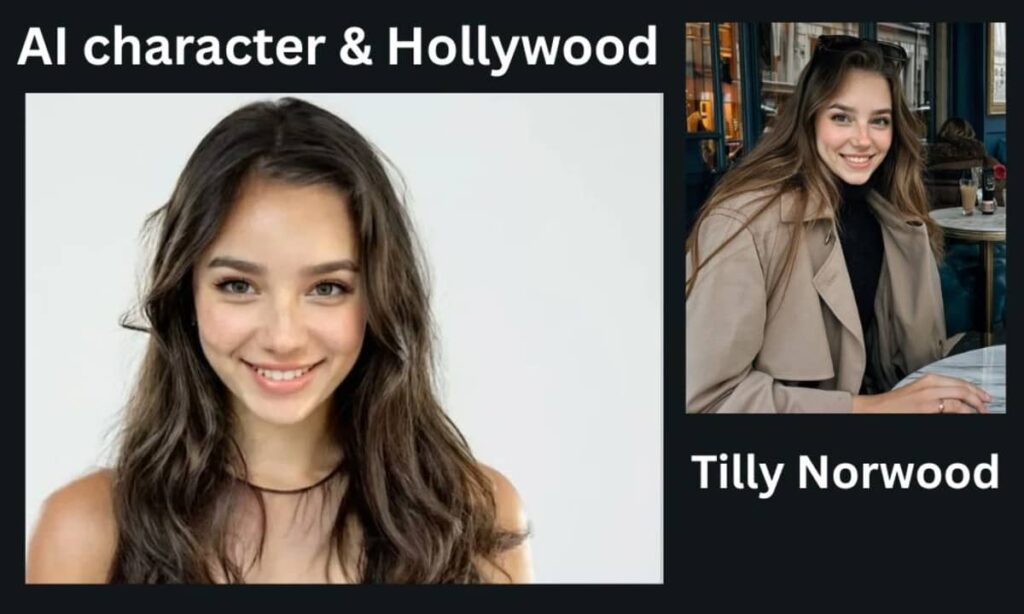
Character designs vary widely. Some avatars like Noonoouri feature stylized, animated appearances. Others, including Spanish virtual personality Aitana López, achieve a photorealistic quality that regularly deceives first-time viewers scrolling through their content feeds.
Turning digital presence into revenue
Despite their synthetic nature, AI influencers generate substantial income.
Lu do Magalu represents Magazine Luiza, a major Brazilian retail chain. With over 8 million Instagram followers, she ranks among Brazil’s most recognizable digital celebrities. Her content spans product demonstrations and television appearances, including a notable Vogue Brasil cover feature, while advancing Magalu’s expansion into online shopping and financial technology services.
Lil Miquela operates under Dapper Labs management with approximately 2.4 million Instagram subscribers. Her portfolio includes partnerships with Calvin Klein and Prada, original music releases, celebrity collaborations, and a memorable photograph alongside former House Speaker Nancy Pelosi during a San Francisco concert event.
Barcelona-based agency The Clueless created Aitana López, whose pink hair and fitness-fashion content have made her a standout digital personality. Industry reports suggest she generates between €3,000 and €10,000 monthly through various campaigns, with individual brand partnerships occasionally reaching €10,000.
“Traditional campaigns involving human talent came with constraints,” noted Andrea Garcia from The Clueless. “Time restrictions and limited opportunities for reshoots meant zero tolerance for mistakes. AI-generated content allows unlimited revisions and adjustments.”
Complete creative control means brands receive guaranteed messaging without unexpected controversies, late-night social media incidents, or contractual complications.
Corporate advantages of synthetic creators
Marketing professionals identify several key benefits driving the adoption of AI-powered influencers.
Unlimited creative possibilities. Virtual personalities can transition seamlessly between Fashion Week runways, Martian landscapes, and fantasy gaming environments within days.
“Miquela exists everywhere simultaneously,” Kahn observed. “She communicates with global audiences in their native languages while blending fantasy elements with realistic scenarios effortlessly.”
Complete brand authority. “AI influencers give companies total control over messaging, visual presentation, and distribution strategy,” said Alison Bringé from Launchmetrics. “Brands face fewer uncertainties compared to working with independent creators.”
Economic efficiency and scalability. Human mega-influencers commanding million-plus followings often charge six-figure fees per sponsored post. Research indicates Lil Miquela’s rates hover around $9,000 per Instagram placement — substantial but frequently lower than comparable human talent.
Virtual personalities operate continuously without requiring travel accommodations, demographic aging concerns, or language barriers.
“Content production accelerates dramatically, delivering precisely what brands envision since AI influencers provide no creative pushback,” explained creator strategist Sienna Santer.
Research supports this approach. Academic studies published in the European Journal of Marketing found audiences follow AI influencers as readily as human ones, sometimes generating greater engagement. Meta-sponsored testing with retailer H&M revealed an eleven-fold increase in advertisement recall when virtual character Kuki appeared alongside conventional video advertising.
Ethical concerns and authenticity challenges
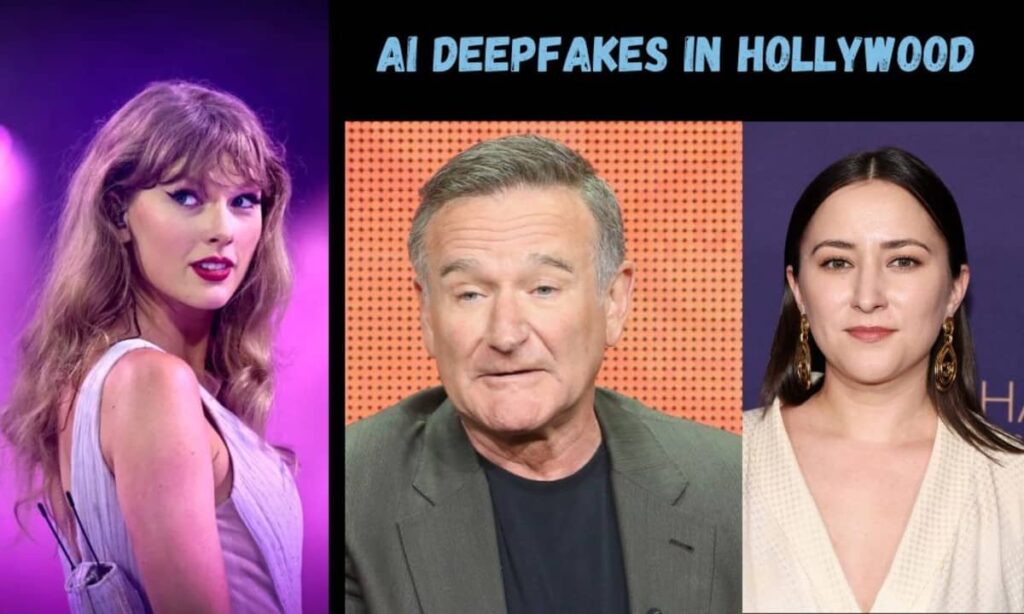
The characteristics making AI influencers commercially attractive also trigger significant ethical questions.
Many successful virtual personas feature young, slender female forms, frequently sexualized, and designed with Black or multiracial physical characteristics. Critics contend these avatars perpetuate unrealistic beauty expectations while enabling corporations to profit from cultural aesthetics without employing or acknowledging actual Black content creators.
Francesca Sobande from Cardiff University cautioned that companies can “position themselves near Blackness without meaningfully engaging, collaborating with, crediting, or supporting Black communities,” describing the virtual influencer space as “potentially portrayed as diverse and inclusive while concealing oppressive power structures and racial hierarchies.”
Consumer trust presents another critical issue. Characters like Shudu and Rozy have fooled audiences despite profile disclosures. Others maintain less transparency. As generative technology advances, distinguishing human from synthetic content becomes increasingly difficult.
Government responses are emerging. The European Union’s AI Act mandates explicit disclosure of AI-generated material, while major platforms, including TikTok and Instagram, now require creators to label artificial content. Industry experts emphasize clear labeling as essential for preventing misinformation and preserving consumer trust.
Public backlash has already occurred. Lil Miquela faced intense criticism following a sponsored post describing a leukemia diagnosis — a medical condition affecting only living humans — as part of a bone marrow charity campaign. Many viewers condemned the storyline as disrespectful toward actual patients.
The future landscape
Most marketing strategists currently envision coexistence rather than replacement.
AI technology can simulate expressions, humor, and deliberate imperfections like spelling errors. However, it cannot replicate genuine human experience. Digital characters never endure chemotherapy treatments, juggle multiple jobs, or wait anxiously for paychecks.
“Human existence carries complexities impossible to duplicate,” Santer emphasized. “Authentic connections formed through shared experiences cannot be fully recreated by artificial personalities.”
Corporate strategies appear focused on hybrid approaches. Human creators contribute lived experiences, spontaneity, and established credibility. AI avatars provide predictability, scalability, and experimental flexibility. Together, they’re redefining celebrity culture in an age where even seemingly genuine online personalities might be carefully programmed digital constructs.
What’s your take on AI influencers transforming social media? Share your perspective in the comments below and join the conversation about the future of digital marketing and online authenticity.