

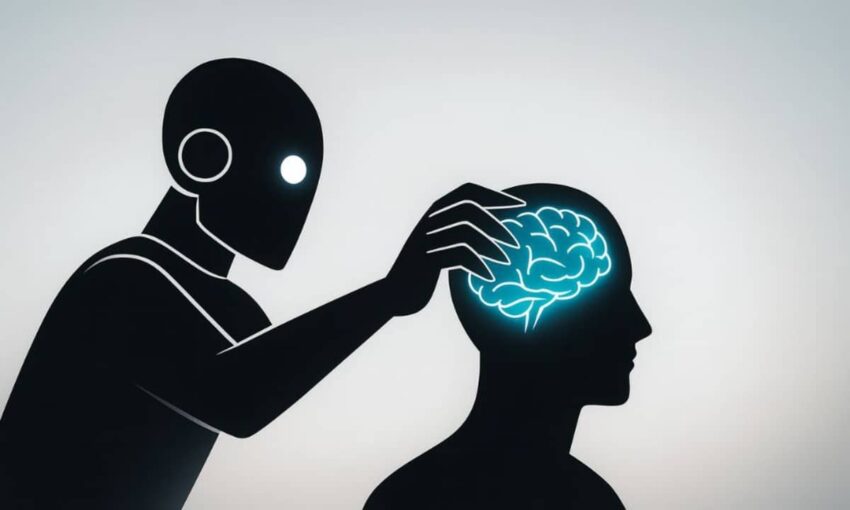
Artificial intelligence has broken free from the confines of screens and applications. It now penetrates the very fabric of human cognition—altering how people think, store memories, and forge connections with one another. Researchers across neuroscience, psychology, and education are racing to decode how digital tools like AI are rewiring the human mind in ways never seen before.
One finding emerges with striking clarity. AI doesn’t merely transform human tasks. It fundamentally reshapes the cognitive processes behind them.
From helpful hack to mental shortcut
Classrooms and lecture halls have watched AI evolve from experimental novelty to essential utility. Recent surveys document a dramatic surge in students deploying AI systems for assignments, written work, and academic investigation. The practice has become normalized. When classmates perceive widespread use, many adopt a “why not me?” mentality.
Scientific experiments reveal a troubling trade-off. One research study divided participants into distinct groups before assigning an essay-writing task. The first group accessed large language models like ChatGPT.
The second relied on traditional search engines. The third worked independently. Neuroimaging scans delivered an unsettling verdict: increased technological support correlated directly with decreased brain activity in critical cognitive regions. Participants who leaned on AI struggled to remember their own written content.
Scientists emphasize that their findings remain preliminary. They stop short of claiming intelligence itself diminishes. Yet they sound alarms about “the pressing matter of exploring a possible decrease in learning skills” when students depend excessively on generative language systems.
This anxiety echoes historical patterns. The so-called “Google effect” demonstrated that constant access to online information reduces people’s motivation to retain facts internally. With machine learning tools, society outsources more than memory. Creative thinking, analytical effort, and decision-making capacity now sit on the chopping block.
When help feels like learning
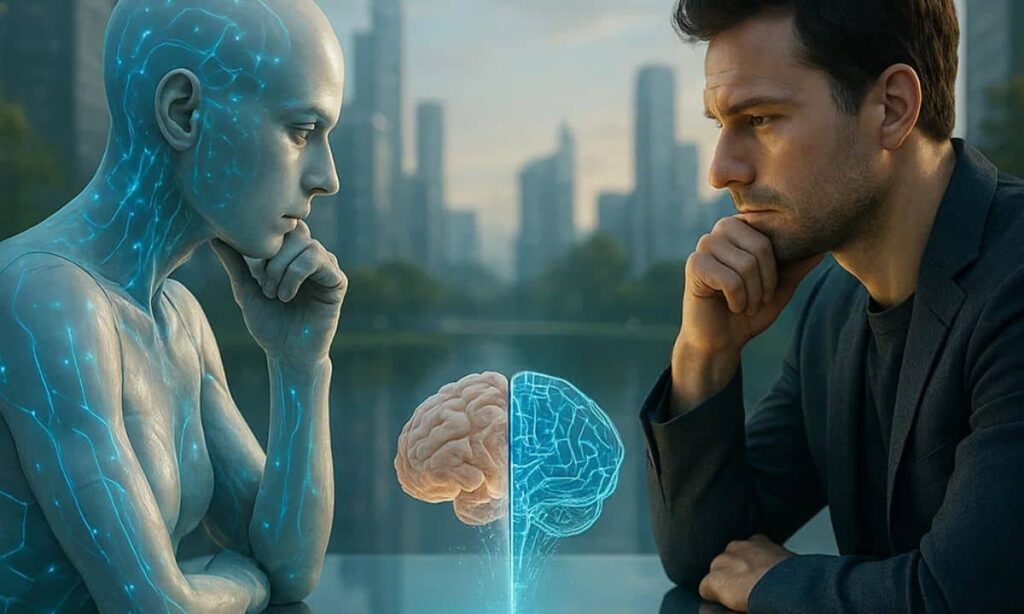
A dangerous illusion complicates matters. Using AI creates the sensation of genuine learning even when authentic cognitive growth remains absent. Information systems scholar Aaron French cautions that AI interaction “can artificially inflate one’s perceived intelligence while actually reducing cognitive effort.”
He connects this phenomenon to the Dunning-Kruger effect, where limited knowledge breeds disproportionate confidence unsupported by genuine expertise.
Philosophy professors identify subtler erosion patterns. Anastasia Berg from the University of California, Irvine, contends that seemingly harmless AI applications degrade essential intellectual capabilities. Topic selection itself constitutes cognitive labor.
“No aspect of cognitive understanding is perfunctory,” she observes.
Meanwhile, prestigious universities forge partnerships with AI developers rather than prohibiting their products. Oxford University joined forces with OpenAI following a trial program.
“We know that significant numbers of staff and students are already using generative AI tools,” acknowledged Anne Trefethen, the institution’s pro-vice-chancellor for digital initiatives.
Oxford’s position reflects pragmatism.
“University-wide access to ChatGPT Edu will support the development of rigorous academic skills and digital literacy, so that we prepare our graduates to thrive and lead by example in an AI-enabled world,” explained Freya Johnston, pro-vice-chancellor for education.
However, institutional guidelines stress that users “remain ultimately responsible for GenAI content used in research” while maintaining vigilance against fabricated information and embedded social prejudices.
Brains that grow up with AI
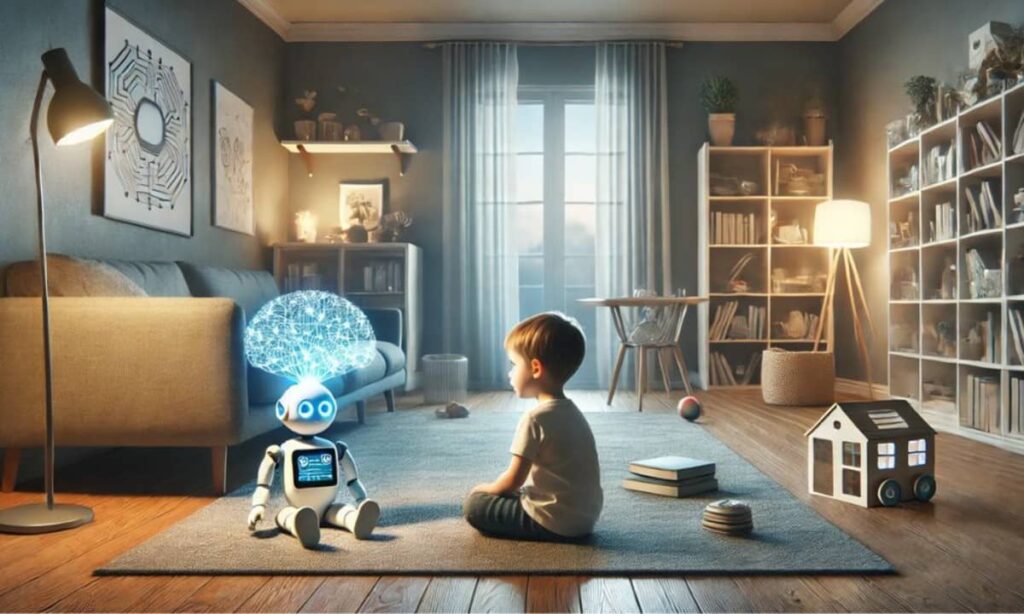
Adolescents face elevated risks. Their neural architecture remains under construction.
Psychobiologist Ignacio Morgado explains, “Artificial intelligence makes the brain work differently. Instead of directly storing information, it stores it in ‘files’ that contain much more information than the brain itself can handle.”
He emphasizes that young minds demonstrate heightened vulnerability.
“The adolescent brain is still immature; it’s easier to deceive, influence, and steer in inappropriate directions, such as violence,” Morgado states.
He warns, “the fact that children use AI from a very young age can indeed be harmful to their development.”
The danger extends beyond premature exposure. It encompasses how children and teenagers substitute technological shortcuts for genuine struggle, deep reflection, and meaningful real-world engagement.
Older populations confront different challenges.
“Cognitive decline can indeed accelerate from not exercising the brain; but not from using AI,” Morgado clarifies. But one principle transcends age categories. “We need to be well-informed about the tool we are using. Understanding, for example, that we’re not talking to a person or a professional, but to a programmed machine with limitations.”
His assessment carries weight.
“[AI] is here to stay and will condition our lives in many ways; we need to try to ensure that the effects are positive.”
Emotional shortcuts and mental health risks
Mental health support represents one of artificial intelligence’s fastest-expanding applications. Round-the-clock chatbots promise relief for individuals experiencing loneliness, anxiety, or depression.
Analysis by Barcelona’s Itersia Psychotherapy Centre discovered numerous users substituting licensed psychologists with chatbot exchanges.
“Swapping a therapist for a chatbot can lead to anything from missing a clinical crisis to emotional dependence without real support,” cautions psychologist Elisabet Sánchez. “These systems can complement, but not replace, human clinical supervision in mental health interventions.”
Research published in JMIR Mental Health concluded that while AI models assist with basic psychoeducation, their “diagnostic accuracy, cultural competence, and ability to engage users emotionally remain limited.”
Choosing how our brains evolve
Historical precedent suggests emerging tools reconfigure capabilities rather than eliminate them entirely. AI now applies similar pressure to memory retention, attention spans, creative output, and emotional intelligence.
Media theorist Marshall McLuhan issued a prescient warning: “The medium is the message.” Without conscious navigation, AI nudges society toward fragmented attention and intellectual superficiality. With deliberate intention, it might also accelerate learning and unlock unprecedented creative possibilities.
Please share your observations about AI’s impact on thinking and memory in the comments below.