

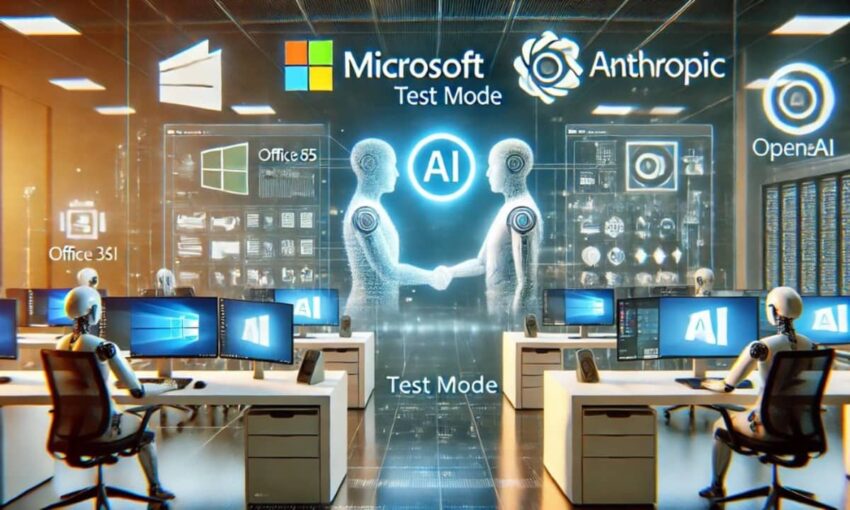
Microsoft Corporation is reportedly evaluating a strategic partnership with artificial intelligence startup Anthropic to enhance its Office 365 Copilot services. This potential Microsoft Anthropic collaboration marks a significant departure from the company’s exclusive reliance on OpenAI technology for workplace automation tools.
Industry sources familiar with the matter indicate Microsoft has begun preliminary testing of Anthropic’s Claude AI models. The evaluation process suggests the tech giant seeks to diversify its artificial intelligence portfolio amid growing competition in the enterprise software market.
The Information first reported these developments, revealing Microsoft’s internal assessments of Anthropic’s capabilities compared to existing OpenAI integrations. Company executives are apparently impressed with Claude’s performance in specific workplace applications.
Claude AI shows superior performance in internal testing
What’s the reason behind Microsoft Anthropic proposed collaboration?
Microsoft’s engineering teams have conducted extensive comparisons between Anthropic’s Claude 4 Sonnet and OpenAI’s latest GPT-5 model. Early results indicate Claude demonstrates notable advantages in certain productivity tasks.
According to sources cited by Engadget, Microsoft discovered that an older Claude model produced a “more aesthetically pleasing” PowerPoint presentation compared to OpenAI’s technology during internal evaluations. This finding has sparked broader discussions about integrating Anthropic’s artificial intelligence across Office 365 applications.
The testing phase reportedly focuses on specific Office suite components rather than a complete platform overhaul. Microsoft appears committed to a measured approach that evaluates Claude’s effectiveness in targeted use cases before implementing it more broadly.
Industry analysts suggest this methodical testing reflects Microsoft’s careful consideration of artificial intelligence partnerships. The company recognizes that workplace productivity tools require reliable, consistent performance to maintain user satisfaction and enterprise adoption rates.
Strategic diversification beyond the OpenAI partnership

Microsoft’s exploration of Anthropic represents a notable shift in its artificial intelligence strategy. The company has maintained an exclusive partnership with OpenAI since investing heavily in the creator of ChatGPT’s technology development.
Despite these new discussions with Anthropic, Microsoft officials maintain their OpenAI collaboration will continue. Company representatives emphasized that existing Copilot services and other AI-powered features will retain OpenAI’s underlying technology for the foreseeable future.
This dual-track approach suggests Microsoft recognizes the value of having multiple artificial intelligence providers. Enterprise customers increasingly demand robust, reliable AI solutions that can handle diverse workplace challenges without single-point-of-failure risks.
Technology industry observers note this strategy mirrors Microsoft’s broader approach to cloud services and software partnerships. The company has historically maintained relationships with multiple vendors to ensure service continuity and competitive pricing advantages.
Complex relationship dynamics in the AI ecosystem

The Microsoft-OpenAI partnership has evolved significantly since its inception. Microsoft pledged a $1 billion investment to OpenAI when its initial three-year agreement expired in 2024, cementing its position as the startup’s primary financial backer.
This substantial financial commitment demonstrated Microsoft’s confidence in OpenAI’s technology and market potential. However, recent developments suggest the relationship may be entering a new phase characterized by reduced exclusivity and increased competition.
Sam Altman’s OpenAI has attracted significant attention and investment from other technology companies. This growing interest has potentially influenced Microsoft’s decision to explore alternative artificial intelligence partnerships that could provide strategic advantages.
The evolving partnership dynamics reflect broader changes within the AI industry. Major technology companies are actively seeking competitive advantages through exclusive or preferential relationships with leading AI developers.
Competitive landscape drives innovation
Microsoft faces intense competition from Google’s Alphabet division in the artificial intelligence workspace market. Google has developed its own suite of AI-powered productivity tools that directly compete with Microsoft’s Office 365 Copilot offerings.
Alphabet CEO Sundar Pichai previously challenged Microsoft to demonstrate their respective AI capabilities in direct comparisons. While this proposed “AI duel” never materialized, it highlighted the competitive tensions driving rapid innovation in workplace automation technologies.
The competition has accelerated development timelines and feature releases across both platforms. Users benefit from this rivalry through improved artificial intelligence capabilities and expanded functionality in their daily productivity applications.
The likely Microsoft Anthropic partnership could provide additional competitive advantages against Google’s AI initiatives. Claude’s unique capabilities might enable features that differentiate Microsoft’s offerings in an increasingly crowded marketplace.
Lessons from previous AI investments
Microsoft’s artificial intelligence investment history includes both successes and cautionary tales. The company previously backed Builder.ai, which later faced controversy regarding the authenticity of its AI technology claims.
Investigations revealed that Builder.ai’s supposed artificial intelligence chatbots were actually 700 Indian employees pretending to be automated systems. This experience likely influences Microsoft’s current due diligence processes for new AI partnerships.
The Builder.ai situation demonstrates the importance of thorough technical evaluation when selecting artificial intelligence partners. Microsoft’s methodical testing of Anthropic’s capabilities suggests lessons learned from previous investments guide current decision-making.
Industry experts emphasize that enterprise AI deployments require verified performance metrics and transparent operational frameworks. Microsoft’s careful evaluation process reflects these requirements and the company’s commitment to reliable workplace solutions.
Future implications for enterprise AI
The potential Microsoft Anthropic partnership could reshape enterprise artificial intelligence adoption patterns. Large organizations closely watch Microsoft’s technology choices when making their own AI investment decisions.
Successful integration of Claude AI into Office 365 might validate Anthropic’s enterprise readiness and attract additional corporate partnerships. This outcome could intensify competition among AI developers seeking lucrative enterprise contracts.
The artificial intelligence industry continues evolving rapidly as companies refine their technologies and expand market presence. Microsoft’s diversified approach may become a template for other enterprise software providers navigating this dynamic landscape.
Workplace productivity remains a primary driver of artificial intelligence adoption across industries. Microsoft’s continued innovation in this space will likely influence broader trends in enterprise technology deployment and user expectations for AI-powered tools.
What’s your take on the expected Microsoft Anthropic partnership? Do you think diversifying AI partnerships strengthens enterprise software offerings, or does it create unnecessary complexity? Have you noticed differences in AI performance across various workplace applications? Please share your thoughts and experiences with different AI-powered productivity tools in the comments below.