

Amazon is shutting down Amazon Mechanical Turk, the crowdsourced labor platform that Jeff Bezos once called “artificial artificial intelligence.” The service will close Sept. 30, 2026, the company said Tuesday.
The closure ends one of the internet’s oldest marketplaces for small digital work. It arrives as AI models take over the very tasks the platform was built to handle.
Amazon posted the news in a banner on the platform’s website.
“We regularly evaluate our programs, tools and services and make adjustments based on those assessments,” the notice said. “Following an assessment, we’ve made the decision to close AWS Mechanical Turk, effective September 30, 2026.”
Humans behind the machine
Amazon launched Amazon Mechanical Turk in 2005. The platform matched workers with simple online jobs that computers could not do well.
Amazon called these jobs “Human Intelligence Tasks,” or HITs. They included labeling data, transcribing audio and video, and answering surveys. Most paid only a few cents each.
The service took its name from an 18th-century chess-playing machine. That device looked automated. A human chess master actually sat hidden inside and worked the controls.
Amazon Mechanical Turk used the same trick in reverse. Software sent out tasks that looked machine-run, while people did the work behind the scenes. Bezos summed up the idea as “artificial artificial intelligence.”
At its peak, Amazon Mechanical Turk served more than 500,000 workers, according to the company. Researchers and AI developers came to rely on it too. Human workers labeled training data and reviewed results that automated systems could not judge.
Amazon later folded the workforce into its SageMaker service for data labeling.
“Workers are available 24 hours a day, 7 days a week,” an AWS webpage said. SageMaker Ground Truth and Amazon Augmented AI will also stop offering the MTurk workforce on Sept. 30.
AI turns the model on its head

The market around Amazon Mechanical Turk has shifted fast. Modern AI models now classify images, transcribe speech, summarize text, and handle other jobs that once needed cheap human labor.
Rival firms have piled in as well. Companies, including Scale AI, Mercor, and Prolific, now recruit workers to train and evaluate AI systems.
One study showed how strange the situation had become. Researchers in Switzerland reported in 2023 that up to 46% of Mechanical Turk workers used AI models to complete tasks.
The result was a strange loop. Amazon built the platform because computers could not do human tasks — and some workers were now using computers to do them.
Krista Pawloski, a data worker and organizer with the advocacy group Turkopticon, said Amazon Mechanical Turk had been “in decline.” She said Amazon invested less in the platform as competitors arrived, pushing many workers elsewhere.
Amazon has not blamed AI for the shutdown. Spokesperson Montana MacLachlan said the company stays “focused on delivering the best possible experience for all our Amazon and AWS customers.”
Workers brace for the fallout
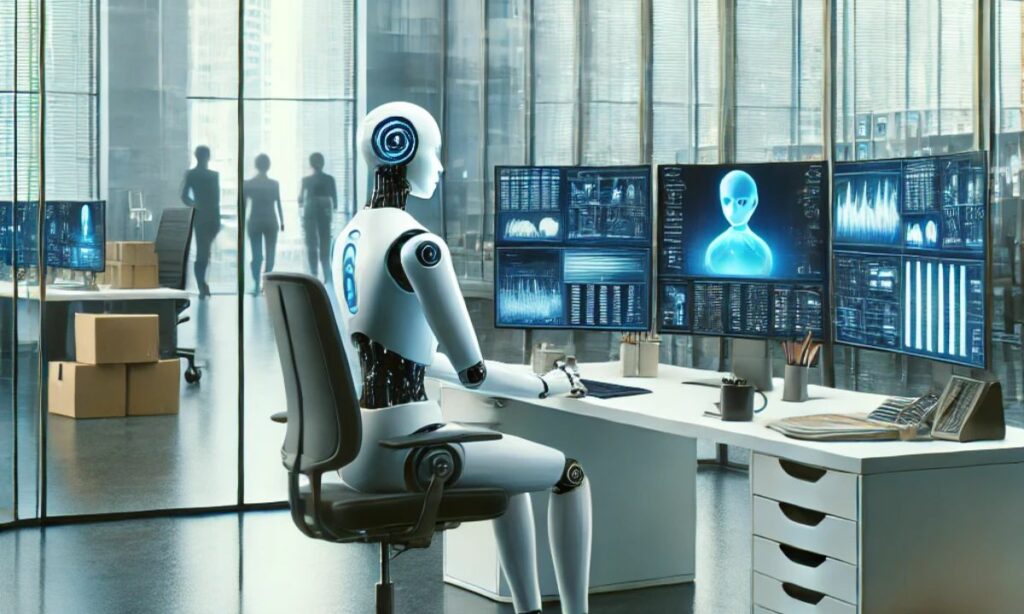
The end of Amazon Mechanical Turk hits people who built real income around it. Amazon stopped taking new customers July 30, and its documentation now tells clients to move workflows elsewhere before the deadline.
Some insurance and travel companies still depend on Amazon Mechanical Turk and are scrambling for alternatives, Pawloski said.
For many workers, the appeal went past the tiny payments. Pawloski said the platform offered “meaningful income” and flexible, remote hours, much like other gig work.
“There’s some people that still pretty much still do it full time,” Pawloski said. “They’re concerned now.”
Human labor is not vanishing from AI development. Its role is changing. Advanced models still need people to catch errors, add expert knowledge, build training examples, and judge whether AI output meets human standards.
Still, the shutdown of Amazon Mechanical Turk marks the close of an earlier internet era. The platform hid human effort behind software because computers were not good enough.
Twenty-one years on, the big question is: where are humans essential as machines take on more work? Amazon Mechanical Turk answered one version of that question. The next answer is still being written.
What do you think — is this shutdown another sign that AI is swallowing digital gig work, or will these workers move into more specialized roles? Please feel free to share your views below.