

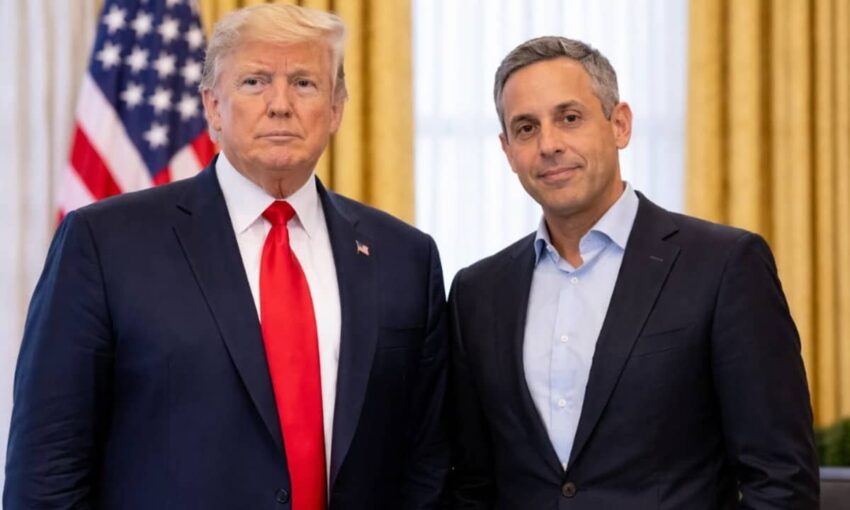
A bold White House initiative to block state-level artificial intelligence regulation has ignited fierce debate across America’s technology sector, with criticism centering on Trump’s AI czar, David Sacks.
The Silicon Valley veteran and Trump confidant helped architect an executive order signed last week that directs federal agencies to override state laws governing AI. The controversial directive claims fragmented rules across dozens of states will stifle innovation and harm U.S. competitiveness in machine learning development.
Sacks stood at Trump’s side during the signing ceremony and made the case for centralized control.
“You’ve got 50 states running in 50 different directions — it just doesn’t make sense,” he said. “We’re creating a confusing patchwork of regulation, and what we need is a single federal standard.”
Industry backs federal framework but questions White House tactics
Technology companies largely support establishing uniform national rules for artificial intelligence systems. Corporate leaders have spent years lobbying for Congress to create consistent standards that replace the growing maze of state-by-state requirements.
Yet the Trump administration’s confrontational approach has triggered unexpected backlash. More than six industry lobbyists and policy advisers told POLITICO the aggressive strategy undermined years of careful coalition-building on Capitol Hill.
Rather than fostering bipartisan cooperation, sources say, the executive order transformed AI governance into a partisan battlefield. Republican governors joined progressive advocacy groups in condemning the federal overreach.
“He’s made it a lot harder,” said Brad Carson, president of Americans for Responsible Innovation.
Carson pointed to an unlikely alliance now opposing the White House plan.
“Thanks to the preemption fights, you have kids’ safety groups, you have Republican governors, Republican [attorneys general], you have Marjorie Taylor Greene denouncing it,” Carson said. “It’s become a thing. And that’s all because of, really, their efforts just to jam everyone.”
Uncertainty clouds corporate planning despite calls for clarity
Business executives who have long criticized inconsistent state regulations now face a different problem. The legal validity of Trump’s order remains unclear, and potential court challenges could drag on for years.
“Businesses don’t like uncertainty, OK?” said Bilal Zuberi, founder and managing partner of Red Glass Ventures. “And this is an uncertain future for any EO.”
Sacks arrived in Washington with minimal government experience but deep connections in tech circles. Trump’s AI czar serves as a special government employee, a designation allowing only 130 days of federal service annually. His ties to Elon Musk and cryptocurrency advocacy have raised ethics concerns among watchdog groups.
The AI policy adviser has notched some victories. He championed legislation favorable to digital currency and supported semiconductor export rule changes that helped Nvidia expand sales. But critics argue that machine learning governance demands more nuanced diplomacy than his previous wins required.
California deal offered blueprint before White House intervention
Tension escalated after California passed an AI safety law supported by technology giants, Democratic lawmakers, and business-friendly Republicans. Industry stakeholders viewed the California compromise as a potential template for national legislation.
Trump’s executive order demolished that prospect by threatening direct federal action against California and other states with existing AI rules.
California Gov. Gavin Newsom fired back immediately.
“President Trump and Davis [sic] Sacks aren’t making policy — they’re running a con.”
Florida Gov. Ron DeSantis, a Trump ally, also objected to federal interference. The Republican governor insisted his state “has a right” to regulate AI technologies and predicted legal victory if challenged.
Carson warned the confrontation may embolden state legislators rather than discourage them.
“Do you think Gavin Newsom is going to say, ‘I’m not going to push AI?'” he said. “He may be more eager to do it now than ever.”
Congressional compromise collapsed amid White House resistance
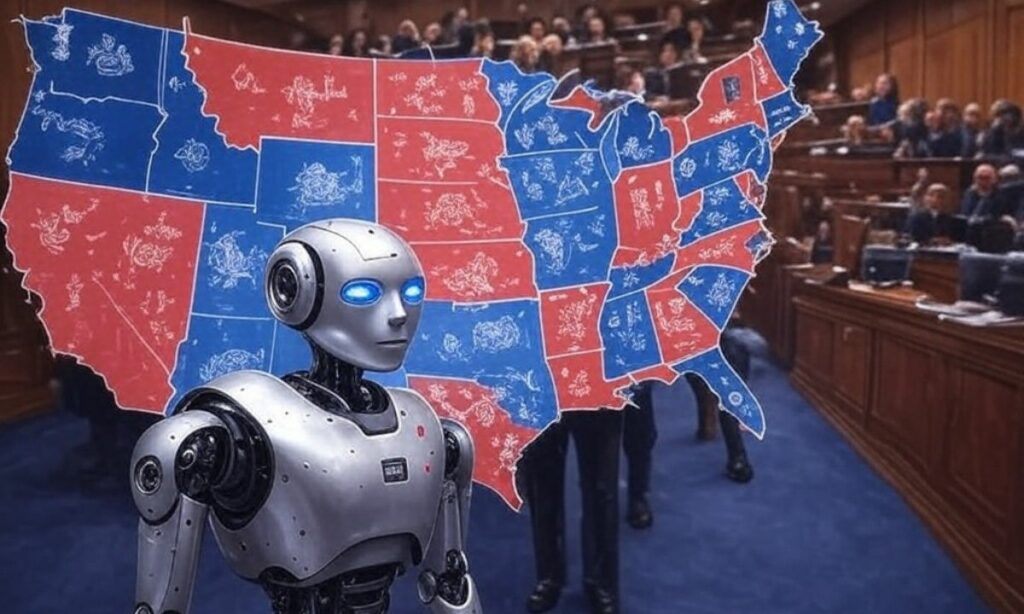
Behind closed doors, technology lobbyists had assembled a delicate congressional compromise. The framework would supersede most state AI laws while adding federal safeguards for children and oversight of advanced systems. Negotiators nearly attached the language to a mandatory defense spending bill.
Those talks fell apart.
One participant blamed White House inflexibility for destroying months of progress.
“This was the best opportunity, possibly in the entire Trump administration, to get [state AI] preemption done,” the person said. “David was unwilling to make that compromise, so we are where we are — and for now, preemption is on life support.”
Another negotiator questioned Trump’s AI czar and his understanding of the legislative process.
“Sacks was very successful in the private sector,” the person said. “He doesn’t understand how government works.”
A Trump administration official acknowledged internal frustration across multiple agencies over the confrontational strategy and rapid timeline.
White House defends order as a necessary catalyst for action
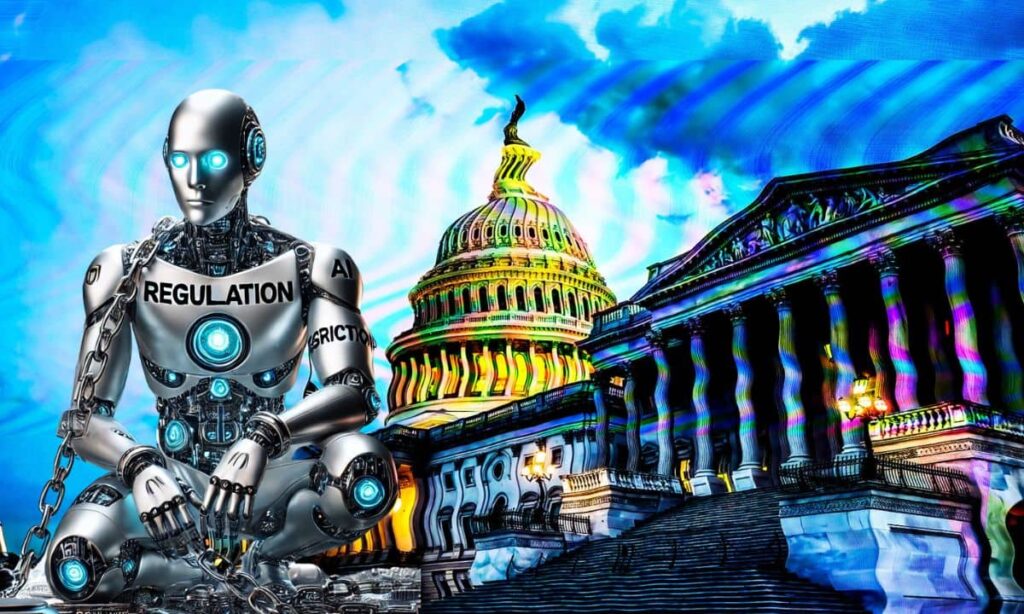
A senior administration official framed the executive order as essential pressure on lawmakers.
“As the President said, if Congress didn’t act, he would,” the official said, adding that collaboration with Congress remains a priority.
Legal experts cast doubt on the order’s enforceability. Several analysts said the directive may not actually protect companies from state prosecution and could invite immediate court challenges.
“It’s whiplash, and now there is this chaos as to whether the preemption is going to be valid,” said Dorna Moini, CEO of Gavel.
“I welcome the consistency of having one single rulebook,” she said. “But the reality is that the uncertainty isn’t reduced.”
Divided industry weighs costs and benefits of federal intervention
Some corporate voices still praise the White House move despite concerns about execution.
“The EO helps underscore the urgency of getting this done correctly,” said Luther Lowe of Y Combinator.
OpenAI’s head of global affairs, Chris Lehane, said his company is “aligned with the Executive Order’s clear language about the need for federal legislation to establish a national framework.”
Neither executive commented on provisions targeting state enforcement authority.
Sacks’ defenders highlight his previous legislative victories on complex technology issues.
“I’m not worried about Sacks’ chops,” said Collin McCune of Andreessen Horowitz. “He pushed through an incredibly complicated, historic crypto bill.”
But skepticism persists among Washington veterans. Multiple lobbyists said Trump’s AI czar must repair relationships across Congress or risk becoming a political liability for the administration.
“He either does have to go, or he has to do the world’s biggest PR campaign,” said one person involved in negotiations.
Signs of adjustment emerge as criticism mounts
Sacks has recently shown flexibility. He conducted meetings with Republican governors and agreed to soften language in the final order. The revised version includes an exception allowing states to regulate AI impacts on children.
At the signing ceremony, Trump’s AI czar promised to “work with Congress.”
Trump suggested limited patience for lengthy legislative negotiations.
“But even if we can’t, it’s good for three years and two months,” he said.
As the 2026 midterm elections approach, the technology sector faces critical questions about artificial intelligence governance. Industry representatives wonder whether compromise remains possible or if White House tactics have permanently damaged prospects for federal legislation.
“Can they reach a deal,” one industry representative asked, “or does the administration continue to do things that poison the well?”
Should Washington or state capitals control artificial intelligence regulation? How will this dispute affect innovation and consumer protection? Please share your views in the comments below.