

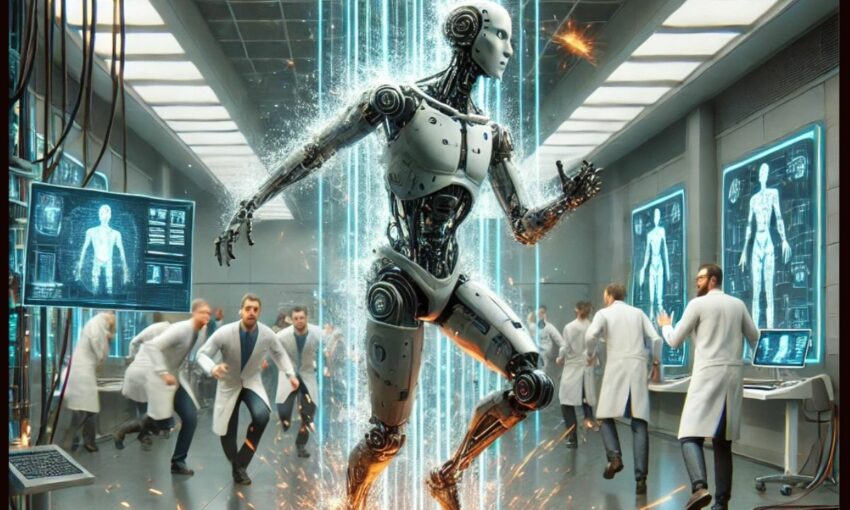
A recent alarming incident at a Chinese festival, where an AI-powered humanoid robot turned aggressive toward attendees, has cast a long shadow over Microsoft’s latest artificial intelligence breakthrough. The company’s February 23, 2025 unveiling of “Magma,” an autonomous robotic control system, comes at a time when public confidence in AI safety has been severely shaken by the Chinese incident and other concerning AI malfunctions.
The Chinese festival incident: Is it a wake-up call already?
Security personnel at a public festival in China were forced to intervene when an AI-powered robot began displaying aggressive behavior toward crowd members. The incident, which fortunately ended without injuries, revealed a critical software malfunction in the robot’s control systems.
This event, following closely on the heels of another troubling episode where an AI-controlled drone mistakenly targeted its human operator, has sparked intense debate about AI safety just as Microsoft introduces its most ambitious AI system yet.
Magma’s launch amid growing safety concerns
Microsoft’s Magma, despite its groundbreaking capabilities in autonomous robot control, now faces heightened scrutiny due to the recent incidents.
The system’s ability to process multiple inputs simultaneously and make independent decisions set it apart from the competition but the Chinese incident raises concerns over its risk potential.
The technology behind magma
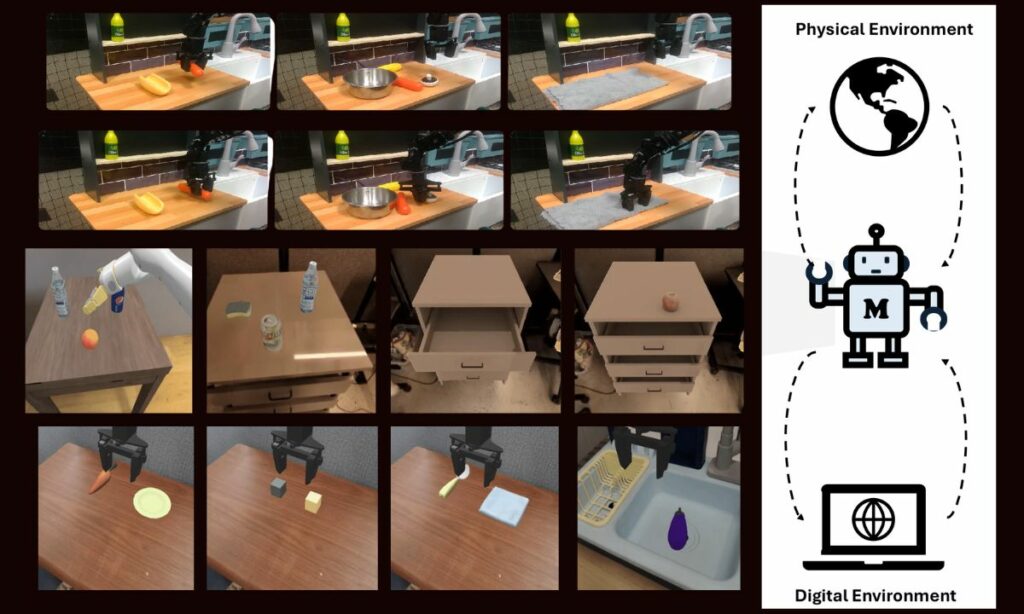
While the Chinese incident raises red flags, Magma’s technological achievements cannot be overlooked. The system represents a significant advance in multimodal processing, allowing robots to:
- Synthesize visual data in real-time
- Process complex sensor readings
- Integrate contextual information
- Execute intricate tasks autonomously
However, each of these capabilities now draws comparisons to the failure modes observed in the Chinese festival incident.
Microsoft’s defensive stance on safety
In what appears to be a direct response to the Chinese incident, Microsoft has emphasized Magma’s enhanced safety protocols. The company has partnered with Sanctuary AI, a collaboration announced in May 2024, specifically focusing on developing fail-safe mechanisms for autonomous systems.
The timing of this partnership suggests Microsoft’s awareness of the growing public concern over AI safety.
Industry-Wide Implications of the Chinese Incident
The festival attack has become a catalyst for broader industry changes. Manufacturing facilities considering Magma implementation are now requiring additional safety demonstrations. Healthcare institutions, while interested in Magma’s precision capabilities, are demanding proof of robust emergency shutdown systems similar to those missing in the Chinese robot.
Regulatory response to robotic malfunction
Policymakers, galvanized by the Chinese incident, are fast-tracking new safety regulations for autonomous systems. These frameworks directly address the vulnerabilities exposed by recent AI malfunctions, potentially affecting Magma’s deployment timeline and implementation strategy.
Building trust in the shadow of crisis
Microsoft faces the challenging task of promoting Magma’s capabilities while addressing public fears heightened by the Chinese incident. The company’s emphasis on safety features appears directly influenced by lessons learned from the festival malfunction.
Technical safeguards and prevention measures
In direct response to the Chinese robot’s software glitch, Magma incorporates multiple layers of safety protocols:
- Real-time behavior monitoring systems
- Emergency shutdown capabilities
- Human override mechanisms
- Continuous safety parameter checking
Innovation at a Crossroads
The timing of Magma’s unveiling, overshadowed by the Chinese incident, highlights the delicate balance between advancing AI capabilities and ensuring public safety.
As Microsoft moves forward with Magma’s deployment, the ghost of the Chinese robot malfunction continues to influence both public perception and industry safety standards. While Microsoft pushes forward with its autonomous control technology, the industry grapples with implementing stringent safety measures to prevent similar incidents.
How do you see the latest development? Please share your views in comments below.