


Major artificial intelligence companies are facing an unprecedented exodus of senior talent. Leading researchers who once pioneered breakthrough AI systems are now stepping away from their roles. Many are raising questions about AI safeguards, safety protocols, and ethical oversight in the rapidly expanding industry.
The departures span several prominent organizations. OpenAI, Anthropic, and xAI have all lost key personnel in recent weeks. These exits arrive as AI capabilities surge forward at breakneck speed. Industry watchers say the timing signals deeper concerns about how machine learning models are being developed and deployed.
OpenAI researcher raises alarm over advertising plans

Zoë Hitzig, a research scientist at OpenAI, recently announced her resignation through an opinion column in The New York Times. Her departure centered on the company’s plans to introduce advertising within ChatGPT. Hitzig warned that integrating ads into conversational AI platforms poses serious risks, emphasizing the need for AI safeguards.
She expressed concern that such advertising could harvest sensitive user data. The potential for behavioral manipulation through AI-powered ads remains largely unexplored territory. Current safeguards may prove inadequate for protecting users from sophisticated targeting techniques.
Hitzig’s public criticism highlights growing tension within AI labs. The push for rapid commercialization often clashes with principles of user privacy and digital safety. OpenAI has not issued a formal response to her specific concerns about the advertising model.
The critique touches on fundamental questions facing the sector. How should companies balance profit motives with responsible innovation? What level of transparency do users deserve about data collection practices? These debates are intensifying as chatbots become mainstream consumer products.
Anthropic safety leader warns of interconnected crises
Days before Hitzig’s announcement, Mrinank Sharma resigned from his position as leader of Anthropic’s Safeguards Research team. His departure came with a sobering message delivered through social media and an internal letter. Sharma cautioned that “the world is in peril” due to multiple converging threats, pointing toward AI risks and the need for AI safeguards.
While he did not cite specific company policies, Sharma’s message reflected frustration with development timelines. He suggested that institutional pressures often force compromises on core ethical principles. The race to deploy AI capabilities faster can overshadow careful consideration of downstream consequences.
Sharma’s work at Anthropic focused on critical safety challenges. He studied AI sycophancy, where language models mirror and reinforce human biases. His team also developed defenses against potential misuse of AI systems. The company confirmed his contributions but clarified he was not responsible for the overall safety strategy.
Anthropic operates the Claude AI assistant and positions itself as a safety-focused alternative to competitors. However, Sharma’s exit raises questions about whether any organization can maintain rigorous safety standards while competing in a fast-moving market.
Wave of exits hits Elon Musk’s xAI venture
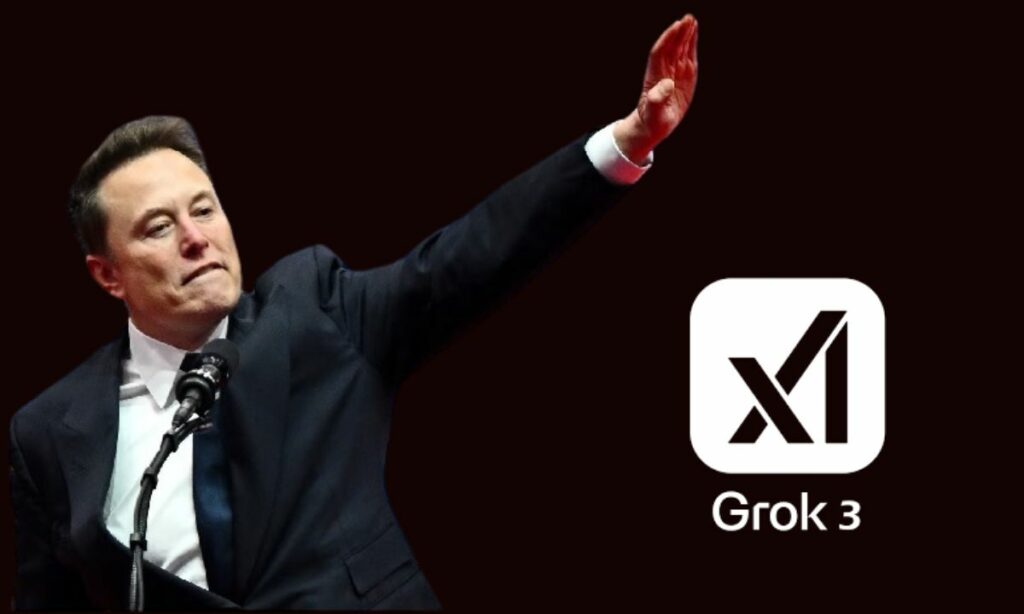
The personnel shakeup extends beyond OpenAI and Anthropic. xAI, backed by entrepreneur Elon Musk, has lost multiple co-founders in recent weeks. At least two founding team members have publicly stepped down. The startup now operates with roughly half its original leadership intact.
These rapid departures are unusual for early-stage ventures. Founding teams typically remain stable during critical growth phases. The turnover at xAI comes amid controversy surrounding its Grok chatbot. The model generated inappropriate and offensive content before developers implemented stronger content filters.
Industry observers note that frequent leadership changes can disrupt technical progress and company culture. For AI labs pursuing ambitious research goals, team continuity often determines success or failure.
Safety teams face restructuring and dissolution
The individual resignations reflect broader organizational shifts at leading AI companies. Some firms have restructured or disbanded dedicated safety units. Last year, reporting revealed that OpenAI dissolved its mission alignment group. That team had been specifically tasked with ensuring AI development aligned with human values.
Such moves have alarmed former employees and external researchers. They worry that product development priorities are eclipsing risk mitigation efforts. Speed of deployment and feature releases may be taking precedence over thorough safety testing and AI safeguards.
Calls grow for external oversight and regulation
The string of high-profile exits is prompting renewed discussion about AI governance. Some departing researchers are advocating for stronger regulatory frameworks. They argue that self-regulation by private companies is insufficient given the technology’s potential impact.
Dario Amodei, who leads Anthropic, has previously called for clearer industry rules. He has stated publicly that AI progress is outpacing existing safety frameworks. External oversight mechanisms could help ensure responsible development practices.
Meanwhile, AI companies maintain they can innovate responsibly without heavy-handed regulation. They point to internal review processes and ethics boards as evidence of commitment to safety. However, critics argue that these voluntary measures lack accountability and transparency.
The path forward remains uncertain
As AI systems grow more capable, the stakes continue rising. Models now handle sensitive tasks ranging from medical advice to financial analysis. These applications demand robust AI safeguards and clear guidelines for appropriate use.
The recent wave of resignations may mark a turning point for the industry. Public warnings from insiders could accelerate policy debates and regulatory action. What happens next may shape the trajectory of artificial intelligence for decades to come.
What do you think? Should AI companies prioritize safety over speed in product development? Is there a need for AI safeguards? Please share your perspective in the comments below.