

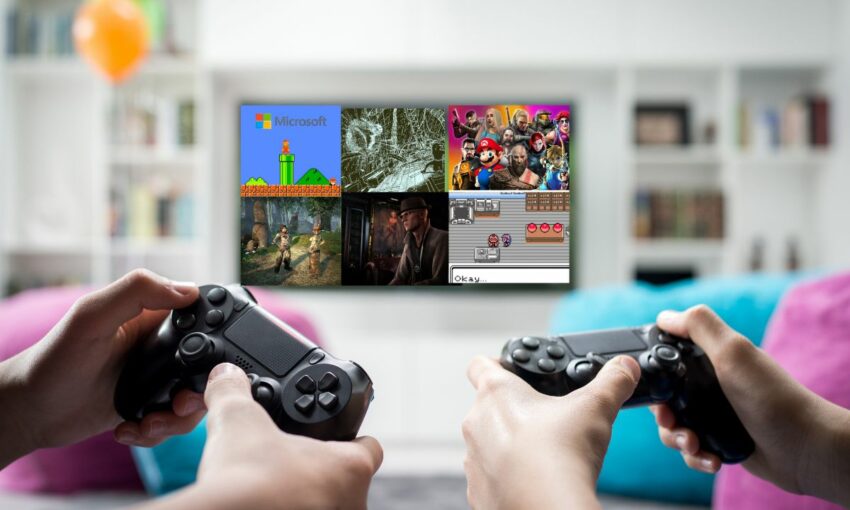
Microsoft has unveiled a revolutionary advancement in gaming technology with the launch of “Muse,” an innovative AI system that seeks to transform how video games are created. This groundbreaking collaboration between Microsoft and its subsidiary Ninja Theory marks a significant leap forward in merging artificial intelligence with game development.
Decoding the future of gaming creation
At its core, Muse – the World and Human Action Model – represents a sophisticated approach to game development through AI-driven innovation. The system’s foundation rests on an extensive analysis of player behavior from Ninja Theory’s multiplayer title Bleeding Edge, encompassing half a million gameplay sessions since 2020.
This rich dataset enables Muse to create authentic gaming experiences and streamline the implementation of new features without extensive manual programming.
“We’re standing at the threshold of a new era in game development,” explains Fatima Kardar, who heads Microsoft’s Gaming AI division. “Muse empowers creators to channel their energy into pushing creative boundaries while automating time-consuming technical processes.”
Transforming development workflows
Muse helps solve common problems that game makers face today.
First, it cuts down on costs. Game studios usually need many people working long hours to create games by hand. Muse does some of this work automatically, helping teams save money and use their workers more wisely.
The AI also speeds up testing new game ideas. Instead of spending weeks building early versions of games, developers can quickly try out different concepts to see what works best.
One of its most exciting features is how it can update old games. Muse can take classic video games and help them run smoothly on new gaming systems. This means players can enjoy older games without needing to find old gaming consoles.
“This changes everything,” Kardar says. “We can take games people loved years ago and make them playable for today’s gamers.”
Mixed reactions from industry veterans
Game creators have mixed feelings about Muse. Some love it, while others worry about what it means for their jobs.
“AI can help us make games, but we can’t forget that humans are what make games special,” says veteran game designer David Goldfarb.
Another game maker, who asked not to be named, agrees. “Games are special because people create them with imagination and understanding of what players want. AI should help us, not take over.”
How Muse works?
Muse works in two key ways. It makes game worlds that change as players move through them and learns how players behave to make games more fun. Right now, Muse creates basic graphics, but Microsoft plans to make them better.
The new tool could change how games are made. More people could make games because it’s easier to use than old tools. Small game studios could now use tools that only big companies had before. Games could also change based on how each person plays them.
Microsoft’s commitment
Microsoft makes clear promises about Muse. They’ll be honest about what it can and can’t do, work with game makers to make it better, and help people whose jobs might change because of AI.
“We want Muse to help people be more creative, not replace them,” says Kardar. “It’s about making it easier for developers to create their ideas.”
The future is here
Microsoft has big plans ahead for Muse. They want it to work on more types of gaming systems and create better ways for games to respond to players. They also hope to let players help create games using AI tools.
This new AI marks a big change in how games are made. As it gets better, people and AI working together could create new kinds of games we haven’t seen before.
What do you think? Leave your comment below.