


Meta Platforms Inc. is preparing to revolutionize digital advertising through complete artificial intelligence automation by late 2026. The social media powerhouse will enable businesses to create marketing campaigns by simply uploading product images or website URLs and setting budgets.
The groundbreaking system represents a massive leap from Meta’s current ad tools, which only make minor adjustments to existing campaigns. The new AI platform will handle everything from visual creation and copywriting to audience targeting across Facebook and Instagram.
CEO’s vision for automated advertising

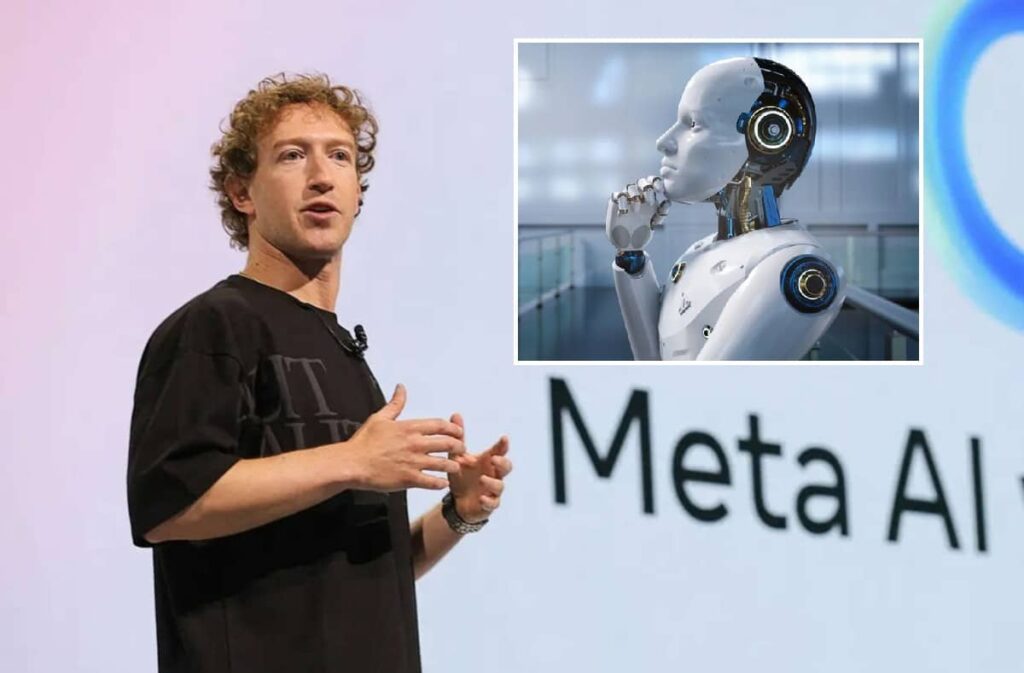
AI-driven advertising forms the cornerstone of CEO Mark Zuckerberg‘s strategic vision for Meta. With advertising generating over 97% of the company’s 2024 revenue, these tools fund Meta’s billion-dollar investments in AI infrastructure and machine learning models.
“In the not-too-distant future, we want to get to a world where any business will be able to just tell us what objective they’re trying to achieve, how much they’re willing to pay for each result, and connect their bank account, and then we just do the rest for them,” Zuckerberg told investors at the recent annual shareholder meeting.
Dynamic personalization technology
Meta’s upcoming platform features real-time content personalization that adapts creative elements based on user data like location and browsing habits. A car advertisement might show mountain driving for users in snowy regions while displaying city navigation for urban audiences. This targeted approach aims to boost engagement and conversion rates significantly.
Automation could democratize advertising for small and medium businesses lacking creative teams or large marketing budgets. Traditional ad creation requires expensive photoshoots, video production, and professional copywriters. AI tools could produce polished campaigns at a fraction of these costs.
Industry concerns and brand safety issues
Major brands remain skeptical about surrendering creative control to algorithms. Advertisers worry that machine-generated campaigns might lack emotional resonance and human creativity. Brand safety concerns dominate discussions, with fears that AI could produce inappropriate or off-brand messaging.
Quality AI outputs require extensive computing resources and specialized models for each advertiser, potentially limiting immediate technology adoption. Some worry that automated campaigns could erode brand distinctiveness and cultural sensitivity.
Competitive landscape heats up
The competition for AI advertising dominance intensifies across major tech platforms. Google recently launched Veo 3, a video-generation tool that creates clips from text prompts. Advertisers already experiment with third-party platforms like Midjourney, OpenAI’s DALL-E, and Google’s creative tools.
Meta plans to integrate external AI systems into its advertising platform, blending proprietary and third-party technologies. The company’s advantage lies in its massive user base of over 3.43 billion active users across Facebook and Instagram.
“This is a redefinition of the category of advertising,” Zuckerberg said on a podcast last month.
He envisions a single platform where businesses establish objectives and budgets while AI handles execution and optimization.
Advanced resource allocation
Beyond campaign creation, Meta’s AI will recommend budget pacing and resource allocation across platforms. The system will determine whether content performs better on Facebook or Instagram, suggest optimal posting times, and adjust based on performance data without human intervention.
Meta acknowledges brand identity concerns and reportedly develops features allowing companies to upload style guidelines, logos, and design preferences to guide AI creativity. However, maintaining a unique brand identity through algorithms remains challenging.
Market response and implementation timeline
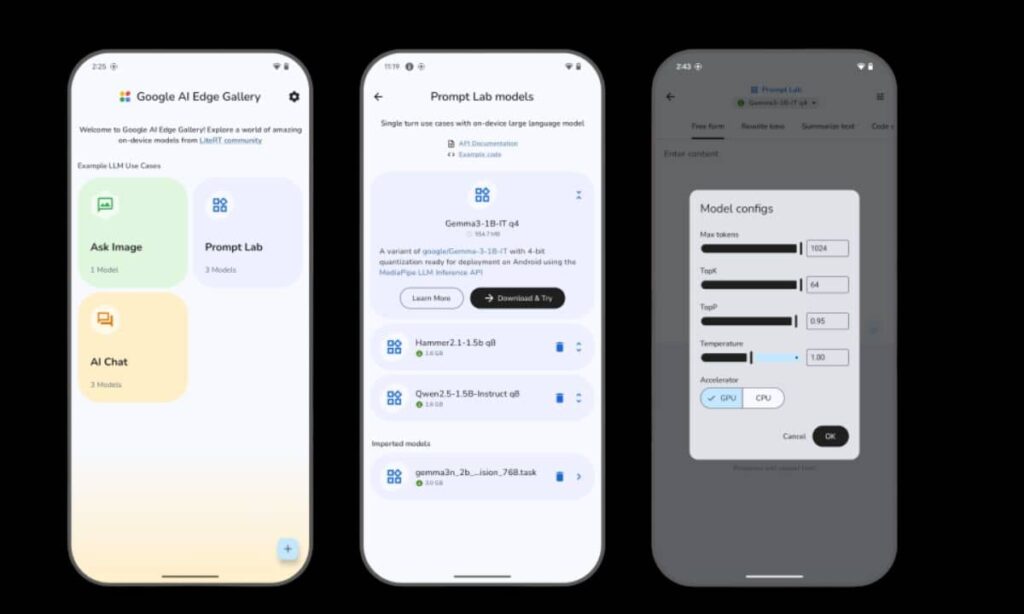
Competing platforms recognize the opportunity. Snap, Pinterest, and Reddit have announced increased AI investments to compete in the digital advertising market. Google’s AI suite, including Gemini models and Veo video tools, targets agencies and self-serve advertisers.
Meta’s aggressive timeline calls for full system operation by December 2026. The company must scale data centers, refine AI models, and build intuitive interfaces meeting advertiser demands for transparency and control.
Creating high-quality video ads presents particular complexity, requiring specialized generative models and robust content filters to ensure campaigns align with brand guidelines and community standards.
Industry transformation ahead
Meta’s automation bet could reshape the agency model, compress production timelines, and democratize sophisticated ad tools. However, the technology must overcome concerns about brand safety, creative authenticity, and algorithmic bias.
As marketers weigh potential cost savings against creative control risks, Meta’s approach could establish new industry standards. The company’s success or failure will likely influence how other platforms integrate AI into advertising services.
If successful, automated advertising could drive higher revenue growth and reduce friction for advertisers. The stakes are high, with billions in advertising revenue and market positioning at risk across the digital marketing landscape.
What are your thoughts on AI-powered advertising automation? Share your views on whether automated campaigns can maintain brand authenticity while reducing costs in the comments below.