

Google just handed developers a key most tech giants refuse to cut. The company launched Gemma 4, its most advanced open model to date, and attached a full Apache 2.0 open-source license to it. That single decision separates this release from nearly everything else in the market.
Developers can now download, modify, commercialize, and redistribute the model without paying Google a cent or asking permission.
The move signals a deliberate break from the walled-garden approach that defines much of the AI industry today.
What makes this release different?
Google already operates Gemini, its flagship closed AI platform. Gemini requires subscriptions and keeps infrastructure firmly in Google’s hands. Gemma 4 takes the opposite path.
Previous Gemma versions carried open-weight licensing. Users could run the models, but restrictions applied to redistribution and commercial use. Google retained meaningful control over how developers used the technology.
Gemma 4 drops those guardrails entirely.
In its release announcement, Google stated that the Apache 2.0 license “provides a foundation for complete developer flexibility and digital sovereignty; granting you complete control over your data, infrastructure, and models.”
Developers must keep attribution requirements and include the license when sharing the model. That is the full extent of the obligations.
No royalties. No usage caps. No platform lock-in.
Privacy becomes a selling point
The ability to run AI locally changes the conversation around data security. When a developer deploys Gemma 4 on their own hardware, nothing leaves their environment. Conversations, documents, and outputs remain entirely off external servers.
That matters enormously for enterprises handling sensitive information. Legal firms, healthcare providers, and financial institutions face strict data governance requirements. Running a capable AI model on internal infrastructure without routing data through third-party clouds gives those organizations a realistic path to AI adoption.
Google confirmed Gemma 4 runs on a broad range of hardware. It works on laptop GPUs and Android devices. Access no longer requires expensive server infrastructure.
The model itself packs serious capability
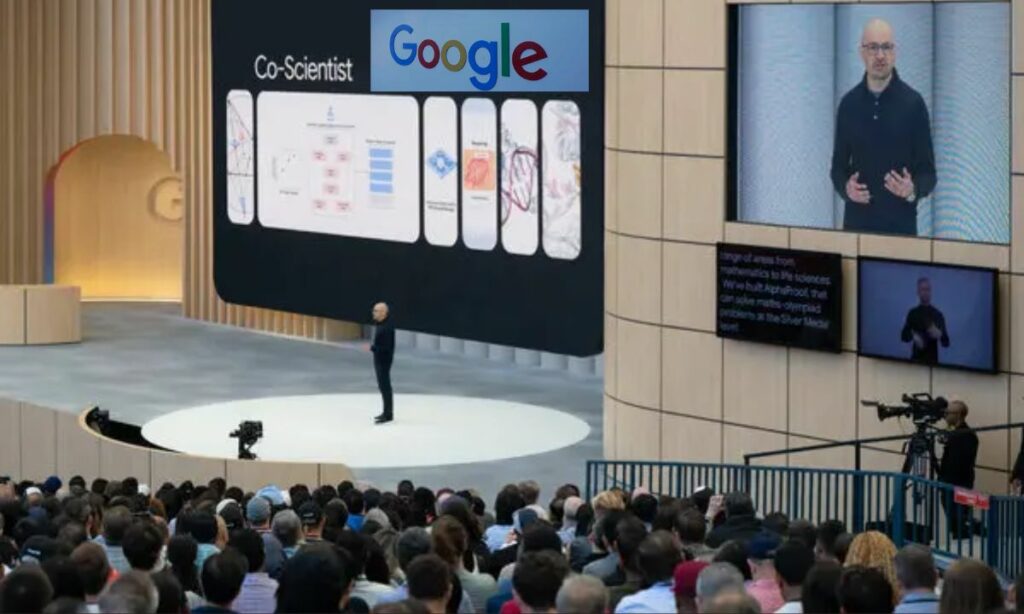
Gemma 4 is not an open-source gesture built around a weak core. Google describes it as the strongest model in the Gemma lineup by a significant margin.
The model handles multi-step reasoning tasks with greater accuracy than its predecessors. It shows marked improvement in mathematical problem-solving and structured output generation. These upgrades make it genuinely useful for enterprise automation, developer tooling, and research workflows.
Gemma 4 also moves into multimodal territory. It can process audio and video alongside text. That unlocks speech recognition, image analysis, and chart interpretation within a single model. It’s an open tool for developers building products that need to see and hear, not just read.
The model comes in several sizes. Lightweight variants start at two billion parameters. Larger versions exceed 30 billion. Users can match the model to their available hardware rather than upgrading infrastructure to meet the model’s demands.
Context window capacity is notable. Some versions handle up to 256,000 tokens in a single session. That enables long-form document analysis and extended reasoning chains without losing track of earlier context.
Built for the world
Google trained Gemma 4 across more than 140 languages. That breadth of language coverage matters for developers building products in non-English markets. AI tools have historically skewed toward English-dominant training sets, limiting utility in large parts of the world.
Gemma 4 takes direct aim at that gap.
Where to find it
Google made Gemma 4 available immediately through several channels. Developers can access it through Google AI Studio or pull it directly from Hugging Face, Kaggle, and Ollama. These repositories allow rapid testing and deployment without bureaucratic friction.
The distribution strategy reflects a deliberate push for scale. Google wants developer adoption, not just headlines.
Reading the competitive landscape
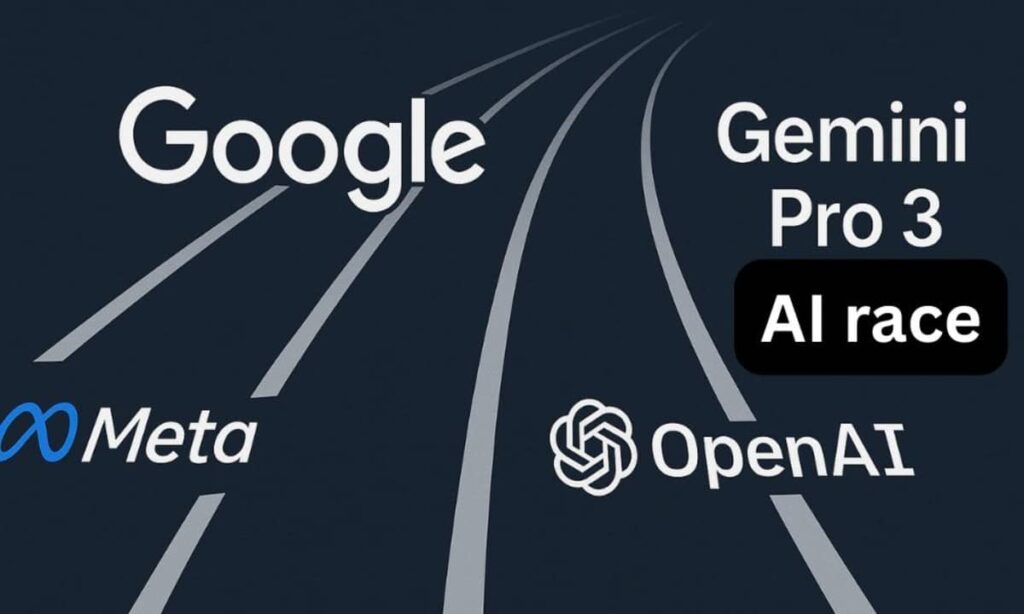
This launch arrives as competition in open AI intensifies. Meta has pushed its Llama models aggressively. Mistral has built a following among developers who prioritize lightweight, local-friendly systems. Both have drawn users away from proprietary platforms.
Google’s response is Gemma 4. It combines genuine technical strength with a licensing structure that removes almost every reason to hesitate.
For enterprises evaluating AI tools, the calculus just shifted. Open-source AI now comes from one of the three largest AI research organizations on the planet, fully licensed, multimodal, and capable of running on hardware most companies already own.
The race to become the default AI layer for developers is far from over. But Google just made its most serious open-source move yet.
Your thoughts on this latest Gemma 4 development are welcome. Please comment below.