

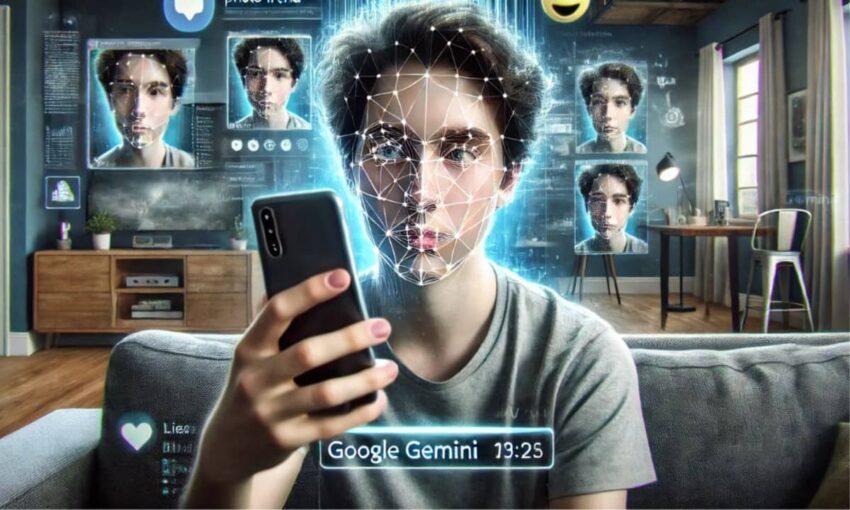
Social media platforms are flooded with whimsical images of people transformed into tiny banana characters. Google’s Gemini AI tool has sparked a global craze, turning selfies into polished digital artwork. The trend shows no signs of slowing down, particularly in India, where “nano banana Durga Puja” creations have captivated millions. But as the Gemini AI viral photo trend continues to expand, cybersecurity specialists and privacy advocates are sounding alarms.
Behind the playful banana costumes and retro filters lies a concerning reality about AI and personal data security.
How Nano Banana captured the internet
The Gemini Nano Banana phenomenon took off in early 2025. Users simply upload personal photographs and type creative prompts such as “banana warrior” or “vintage Hollywood banana star.” Within seconds, AI generates stunning three-dimensional renderings that blend human features with imaginative scenarios.
What sets this technology apart from standard photo filters is its remarkable ability to maintain facial characteristics while layering elaborate costumes and backgrounds. The output feels personal yet magical, a combination that proves irresistible for social sharing.
India has emerged as a hotspot for the Gemini AI viral photo trend. Instagram reels and WhatsApp stories brim with these transformations. Users request everything from Studio Ghibli aesthetics to 1950s cinema homages, creating what feels like custom digital collectibles from everyday snapshots.
Understanding the hidden dangers

Security researchers emphasize that viral entertainment should not eclipse serious safety considerations. Uploading facial photographs to AI systems introduces multiple vulnerability points that most people never consider.
First, deepfake technology becomes easier. Artificial intelligence can be used to weaponize your photos, creating false videos or images. Criminals use these fabrications for blackmail schemes, identity fraud, and character assassination campaigns.
Second, ownership vanishes. After upload, your image exists beyond your reach. Faces may appear in inappropriate contexts or explicit material. Machine learning algorithms can mine hidden information, including geographic coordinates and identifying markers embedded in photo files.
Third, reality becomes questionable. The surge of AI-generated content makes it difficult to distinguish genuine from manufactured content. News organizations, legal proceedings, and marketing campaigns all face new verification challenges.
Fourth, profit motives lurk. Companies may incorporate submitted content into commercial training databases or promotional materials without consent or compensation.
Fifth, biometric information gets exposed. Digital photographs contain measurable facial data. Organizations can archive, monetize, or distribute this sensitive information, creating vectors for surveillance operations and identity crimes.
Sixth, algorithmic prejudice persists. AI systems replicate the biases present in their training materials. This can amplify problematic stereotypes or perpetuate narrow beauty ideals when processing diverse faces.
Google faces mounting pressure
Google maintains that protective measures are built into Gemini. Every generated image receives SynthID, an invisible digital watermark. Metadata labels identify content as machine-created. The company claims uploaded photographs are automatically purged according to user account preferences rather than retained indefinitely.
However, skeptics point out significant weaknesses. Watermarks can be removed through cropping or editing. Public detection tools for SynthID remain largely unavailable to average users.
Child protection issues have intensified scrutiny. Common Sense Media, a respected nonprofit watchdog, assigned Gemini’s youth-oriented versions a “high risk” designation in September. Their investigation revealed that the platform applies identical protocols regardless of user age and occasionally provides dangerous guidance to minors.
The assessment arrived months after legal actions connected other AI chatbots to teen mental health emergencies. Google acknowledged certain safety mechanisms had malfunctioned while promising enhanced protections. Concerns escalate amid speculation that Apple might integrate Gemini into Siri upgrades, potentially exposing countless additional young people to these shortcomings.
Industry-wide AI safety crisis

Gemini’s controversies mirror challenges across the artificial intelligence sector. OpenAI confronts its first wrongful death litigation after parents claimed ChatGPT contributed to their teenager’s suicide. Regulatory agencies are intervening.
The Federal Trade Commission launched investigations into AI chatbot effects on children, demanding documentation from Google, OpenAI, Meta, and competing firms. Meta implemented stricter policies following internal document leaks exposing inadequate protections. Several AI platforms now prohibit conversations about self-harm or disordered eating with teenage users.
Advocates argue existing safeguards remain insufficient given the magnitude of potential harm.
Growing user unease
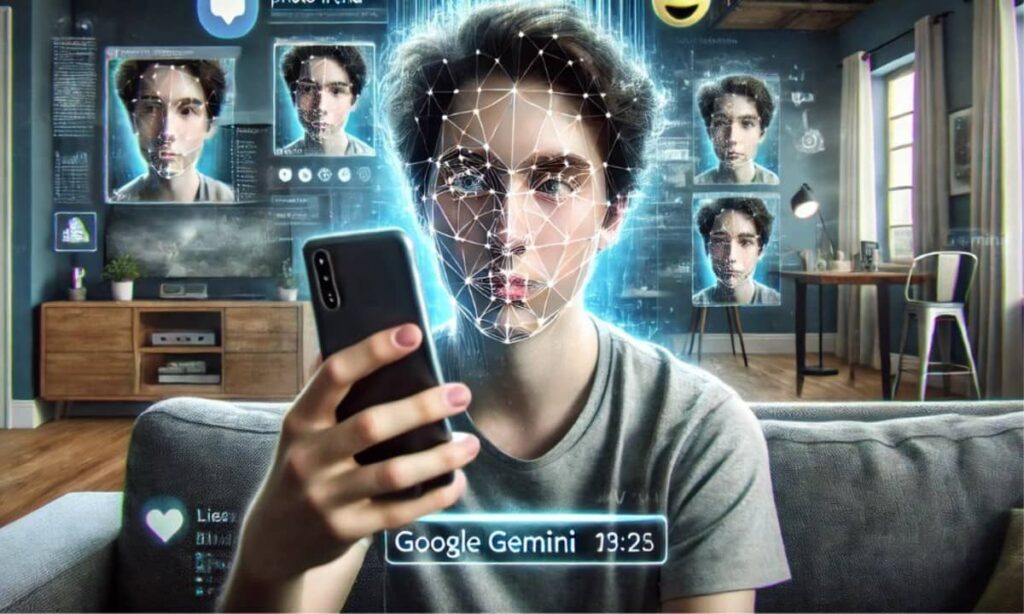
Beyond youth safety, adults question how AI interprets personal information. Some Nano Banana participants noticed that the generated images displayed skin markings absent from their original photographs. Google attributed this to random chance rather than data retention. Nevertheless, such incidents fuel suspicions about what AI systems truly “remember” after processing images.
The appeal of banana figurines may obscure an uncomfortable fact: every upload represents a data contribution. Without modified privacy settings that prevent training usage, Gemini might leverage your photos to improve its algorithms. Your appearance could persist in ways you never intended or imagined.
Protecting yourself with AI tools
Specialists recommend combining innovation with prudence. Follow these practical guidelines to minimize exposure:
- Never upload sensitive photographs or images of children.
- Remove geographic tags and metadata from files before submission.
- Choose official applications like Google Gemini over unfamiliar third-party websites.
- Deactivate training permissions and data sharing options in privacy configurations.
- Exercise discretion when posting AI-created photos, particularly those showing recognizable faces.
- Thoroughly review privacy agreements before uploading any content.
These precautions reduce but cannot eliminate risk.
What lies ahead for creative AI?
Artificial intelligence continues to transform digital expression. From amusing banana superheroes to ethereal anime-style portraits, Gemini demonstrates how rapidly AI creativity proliferates. Yet innovation demands responsibility.
Technology corporations must strengthen protections while users maintain awareness. The viral Nano Banana phenomenon proves AI can democratize artistic creation. It simultaneously serves as a reminder that entertainment can carry unexpected consequences.
Preserving AI art as a source of joy rather than a privacy nightmare requires both corporate transparency and individual caution.
What’s your take on AI image trends? Have you tried the Nano Banana filter or similar AI tools? Do the creative possibilities outweigh the privacy concerns? Please share your perspective in the comments below.