

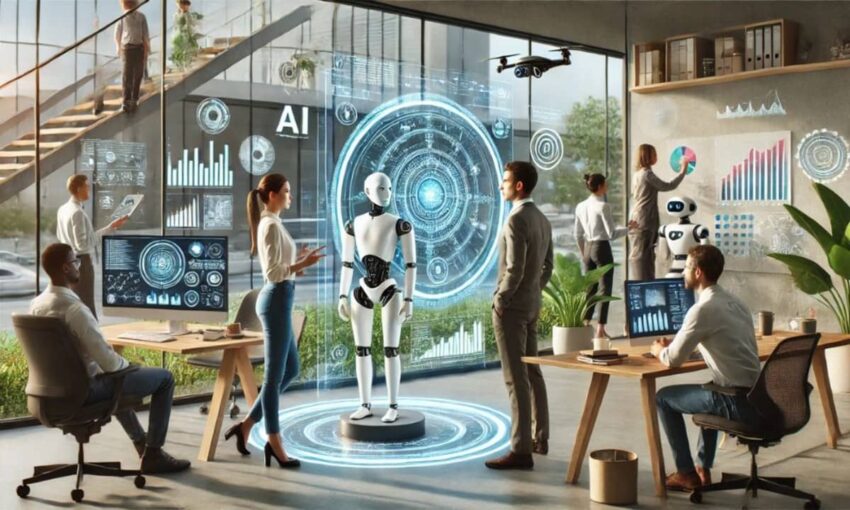
Experts remain divided on how artificial intelligence will reshape the workplace. Some executives predict growth and new opportunities. Others say the technology will fail without proper human oversight.
Take-Two Interactive CEO Strauss Zelnick recently shared his perspective on the debate. He thinks regenerative AI will create more positions in gaming, not fewer. This comes even as layoffs hit tech companies hard.
“It will not reduce employment, it will increase employment,” Zelnick told audiences at The Paley Center for Media on October 17. “Technology always increases productivity, which in turn increases GDP, which in turn increases employment.”
His confident outlook stands in contrast to reality. Thousands of creative professionals have suffered layoffs. The cuts affect artists, animators, and developers across the industry. Many blame automation and AI-driven cost reductions.
The gaming industry faces mounting layoffs
Data from the Game Developers Conference reveals troubling trends. One in every ten game developers experienced layoffs over the past year. Nearly 30% of survey participants reported that artificial intelligence harms the industry. That figure jumped 12 percentage points from 2024.
Microsoft made sweeping cuts in July, eliminating 9,000 positions. The Xbox owner targeted gaming divisions especially hard. Reports indicate that some workers trained AI systems, which eventually took over their roles. Games like Candy Crush now rely heavily on these automated tools.
Wired documented how several studios rolled out regenerative AI shortly after workforce reductions. These platforms generate characters, environments, and dialogue with minimal human involvement.
Tech leaders promise protection amid skepticism
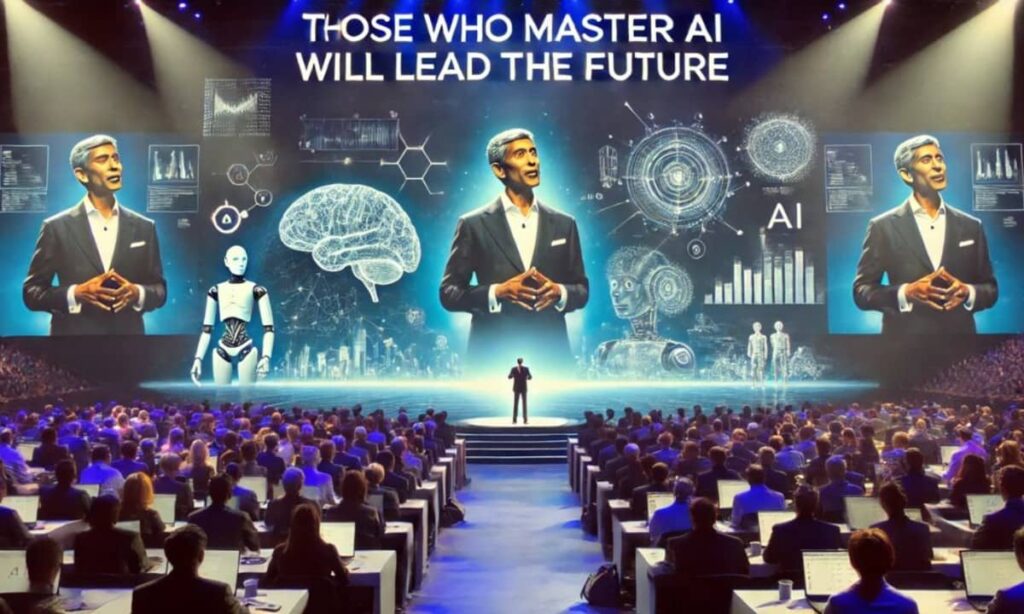
Zelnick insists his company values human talent. He told CNBC earlier this year that Take-Two will “protect and pay human beings.” The CEO emphasized fair compensation when AI replicates creative work.
“We believe we ought to pay for their work if it’s replicated by AI after their work is done,” he said.
He pushed back against the notion that machines can match human creativity. “I think it’s worth noting, though, the genius is human,” Zelnick explained. “The tools may be digital, but the creative genius is human.”
At the Paley Center event, he questioned AI’s true capabilities.
“Will it create a genius? No. Will it create hits? No. It’s a bunch of data with a bunch of computers with a language model attached.”
Zelnick views artificial intelligence as simply another tool for improving workflows.
“Our business has been involved with digital tools since its inception,” he said. “I think we’ll probably be able to create a bunch of efficiency, and we’re already trying to do that.”
Industry veterans express concerns
Brian Fargo, founder of inXile Entertainment, doesn’t share that optimism. He told the MrMattyPlays YouTube podcast that he worries about widespread job losses. His studio uses AI for basic tasks only.
Fargo pays contractors extra money to avoid using artificial intelligence.
“And they go, ‘If it [could] be AI, it would be cheaper,'” he said. “We don’t care.”
Electronic Arts recently outlined plans to use AI to empower creative staff. The company wants to “empower our artists, designers, and developers to reimagine how content is built.” Internal reports suggest employees responded with mockery and anxiety about future layoffs.
Cloud failures highlight dangerous dependencies
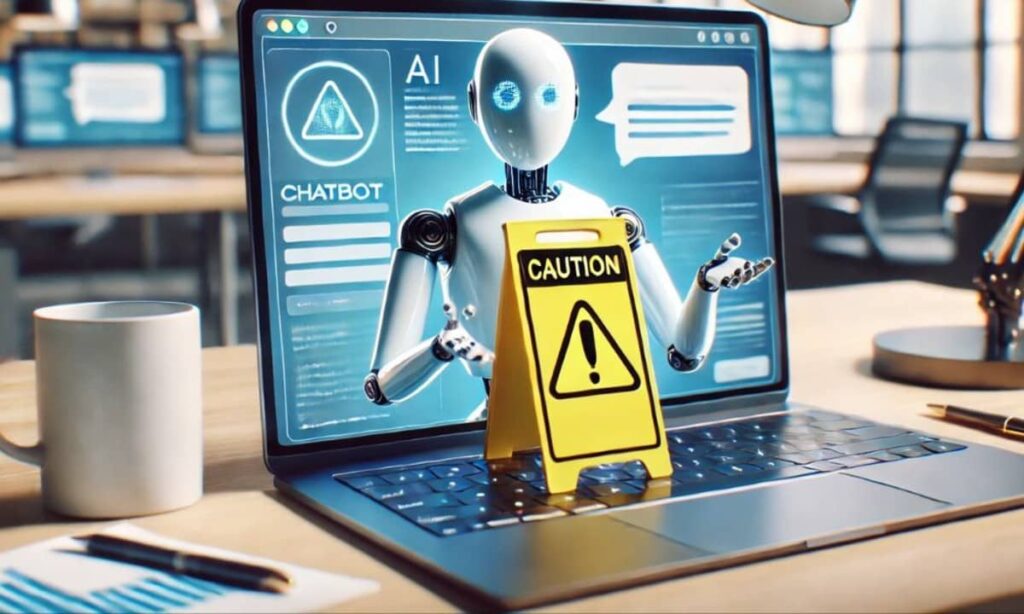
Beyond entertainment, artificial intelligence creates new vulnerabilities. When Amazon Web Services went offline last week, businesses worldwide faced disruptions. The incident exposed how fragile digital infrastructure has become.
Experts warn that companies increasingly depend on AI decision-making tools hosted in the cloud. A major outage could trigger catastrophic consequences.
“If there’s an outage and you rely on AI to make your decisions and you can’t access it, that’s going to have an effect on performance,” said Tim DeStefano, associate research professor at Georgetown University’s McDonough School of Business. “Cloud computing represents a technological prerequisite for using AI.”
Gartner research shows Amazon controlled 38% of the cloud market in 2024. Microsoft held 24% while Google captured 9%. This concentration means a single failure can cascade across multiple industries.
Jacob Bourne, technology analyst at Emarketer, told CNN the same three companies dominate AI infrastructure. “If something goes wrong and you don’t have that human intelligence that’s up to speed, then we’re really offloading all of these critical tasks to AI and putting a lot of trust in the technology,” he said.
Bourne noted that alternatives are emerging. Oracle and CoreWeave now offer specialized AI cloud services. Meta and OpenAI are constructing independent data centers to distribute risk.
“There is a pathway to make AI serve us in the best possible ways,” Bourne said. “It doesn’t necessarily seem like we’re on that pathway, though.”
Academic research focuses on human-AI partnerships
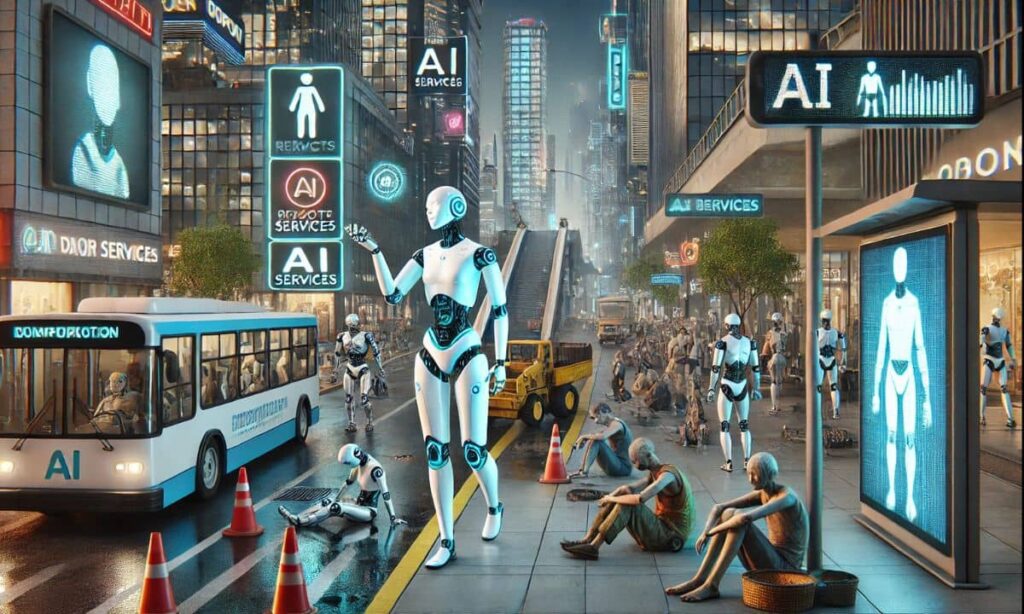
Researchers at Carnegie Mellon University study how artificial intelligence can strengthen teams rather than replace them. Professor Anita Williams Woolley leads work at the Tepper School of Business. Her team created COHUMAIN — Collective Human-Machine Intelligence — to examine collaborative potential.
“AI agents could create the glue that is missing because of how our work environments have changed, and ultimately improve our relationships with one another,” Woolley said.
Her findings suggest AI supports communication and decision-making effectively. But the technology cannot interpret emotions or understand nuance like humans can. Woolley argues AI should function as a partner, not a replacement for human judgment.
Ph.D. researcher Allen Brown discovered that people feel exposed when they believe AI monitors them. He wants to identify “contexts in which AI could be a partner… where they’re working through some topic that might have task conflict or relationship conflict.”
Researchers Zhaohui (Zoey) Jiang and Linda Argote examine how transparency affects trust. “Opacity seems to inflate the sense of sophistication, whereas transparency can make the very same system seem simpler and less ‘magical,'” Jiang said.
Their work shows that both transparent and opaque AI models offer benefits. Future systems might adjust dynamically to complement human strengths and compensate for weaknesses.
How do you think artificial intelligence will change your industry? Join the conversation in the comments below and let us know whether you see AI as a tool or a threat to employment.