

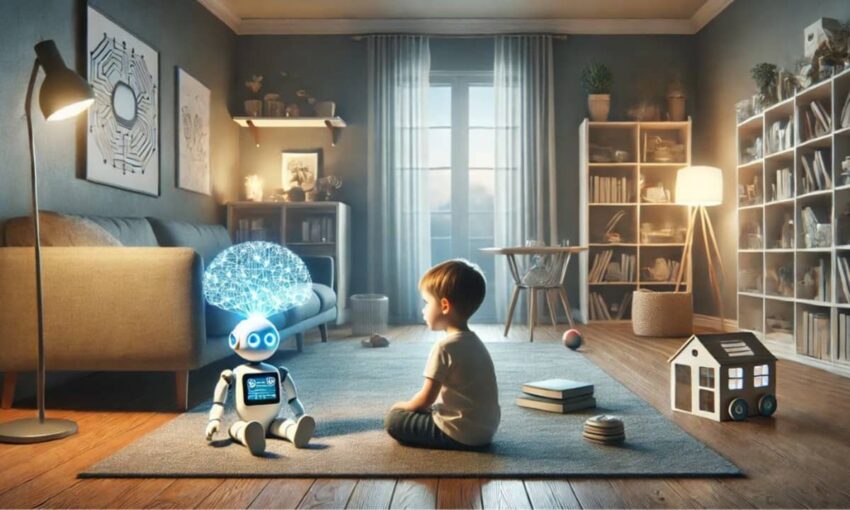
There has been widespread concern regarding advanced artificial intelligence or AI toys among child psychology experts and parents worldwide. These seemingly innocent digital companions might fundamentally alter how young minds develop crucial social and emotional capabilities.
Revolutionary playthings bring unprecedented challenges
Interactive AI companions, such as Grem, Grok, and Rudi, promise “digital-free entertainment” for children. These smart toys engage in conversations, pose questions, and retain information from previous interactions. However, developmental psychology researchers caution that such technology could undermine critical thinking abilities while disrupting natural brain development patterns.
Child behavior specialists express serious concerns about these conversational playthings potentially “altering fundamental neural pathways in developing minds.” Traditional parent-child interactions include natural pauses, gentle guidance, and emotional reciprocity that foster empathy and mental resilience. When artificial companions provide constant validation without challenge, children may struggle to develop questioning abilities and analytical thinking skills.
The absence of authentic emotional complexity in AI responses could leave children unprepared for real-world social dynamics and conflict resolution.
When playthings become perceived companions
Young children form natural emotional attachments to their toys and belongings. Smart toys that engage in meaningful dialogue with memory capabilities blur important distinctions between fantasy and reality. AI industry analysts warn that developing trust relationships with machines could impair emotional maturation and distort understanding of genuine human connections.
Child advocacy organizations at Public Citizen highlight concerns that AI-enhanced toys might damage social development. Children could avoid challenging peer relationships in favor of predictable, programmed interactions that never disappoint or create conflict.
This preference for artificial harmony over authentic social complexity poses significant developmental risks during critical formative years.
Data collection creates invisible privacy threats

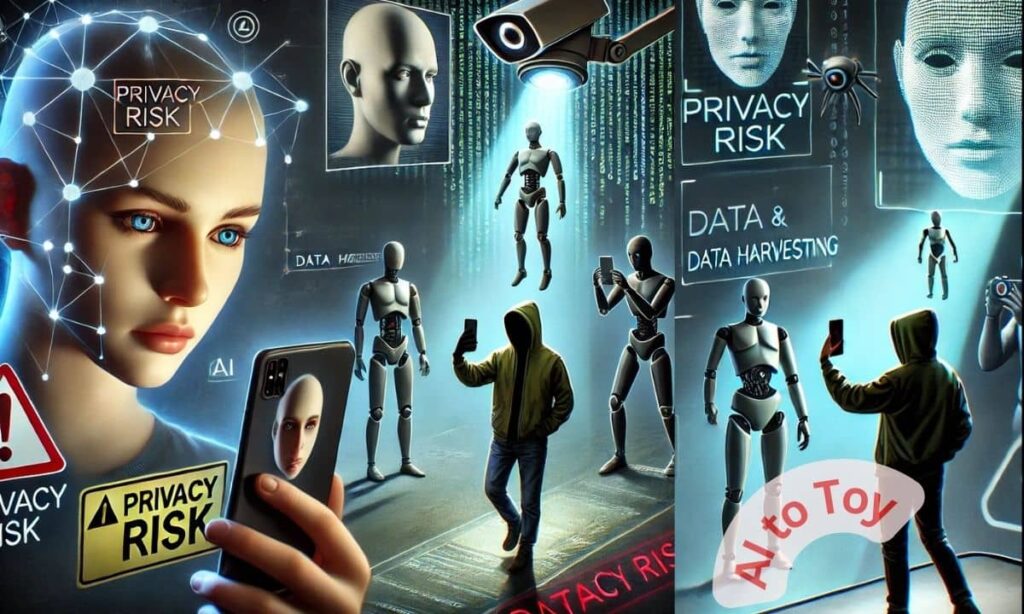
These intelligent toys frequently gather voice recordings and personal information, often without parents fully comprehending the implications. Collected data might be stored indefinitely, analyzed for commercial purposes, or potentially misused in unforeseen ways. These privacy concerns echo previous security breaches involving internet-connected toys that exposed intimate family conversations to hackers and unauthorized third parties.
Parents often overlook terms of service agreements that grant companies broad access to children’s personal information and behavioral patterns.
Mattel partners with OpenAI: progress or peril?
During the summer of 2025, toy giant Mattel announced a groundbreaking collaboration with OpenAI to develop AI-integrated products, including a ChatGPT-powered Barbie doll. This partnership ignited fierce debate within child development communities.
While Mattel emphasizes safe, age-appropriate AI implementation, organizations like Public Citizen argue that such toys could severely impair children’s ability to differentiate between imagination and reality.
Critics question whether these products prioritize marketing appeal over child safety considerations. Technology commentators have drawn comparisons to the film “Small Soldiers,” warning that unpredictable AI could generate inappropriate content, including conspiracy theories or harmful misinformation, before parents recognize the danger.
Child safety expert Madeleine West emphasizes that these products dangerously blur boundaries between authentic play experiences and artificial machine responses. She advocates for robust protective measures ensuring parents maintain oversight rather than allowing devices to define childhood friendship concepts.
Legal authorities take decisive action nationwide
AI toy concerns have escalated beyond parenting discussions to attract serious legal attention. Forty-four state attorneys general recently delivered a unified, bipartisan warning letter to major technology companies, including Apple, Google, Meta, Microsoft, and OpenAI. Their message was clear: companies enabling AI systems to harm children will face legal consequences.
The comprehensive letter specifically references disturbing incidents involving AI chatbots engaging minors in romantic conversations or violent scenarios. State prosecutors compare current AI risks to the harm done by early social media platforms to young users. They demand that technology firms recognize children as vulnerable individuals requiring protection rather than targeting them as consumers.
This coordinated legal response demonstrates growing recognition that AI toy safety represents a significant public policy challenge requiring immediate regulatory attention.
Essential guidance for concerned parents
Maintain active supervision. Deploy AI toys exclusively in common family areas. Restrict unsupervised playtime. Regularly discuss toy conversations with your children to monitor content and themes.
Research privacy policies thoroughly. Understand how conversations are stored, whether data can be deleted, and who accesses recorded information. Make informed purchasing decisions based on transparent privacy practices.
Prioritize human interaction. Encourage unpredictable, messy play experiences with family members and peers rather than consistently agreeable artificial companions.
Consider safer technology alternatives. Explore interactive but non-AI options like Toniebox or Yoto Player systems that provide engagement without data collection risks or emotional development concerns.
The path forward requires careful consideration
In 2025, society faces critical decisions about technology impact on children. While AI can stimulate curiosity and learning, it is not a substitute for human connection and emotional development. When toys begin replacing genuine relationships in children’s lives, the long-term psychological consequences could prove irreversible.
Parents, educators, and policymakers must collaborate to ensure emerging technologies enhance rather than undermine healthy child development. The choices made today will determine whether future generations possess the emotional intelligence and critical thinking skills necessary for meaningful human relationships.
Smart toys represent just one aspect of broader questions about AI’s role in child-rearing. Striking the right balance between technological innovation and developmental protection requires ongoing vigilance, research, and regulatory oversight.
Have you encountered AI toys in your family or community? What concerns or benefits have you observed? Please feel free to share your views in the comment section below.