


The global banking industry confronts an escalating security nightmare as sophisticated voice cloning technology threatens to undermine financial authentication systems worldwide. OpenAI’s chief executive, Sam Altman, delivered a sobering assessment to Federal Reserve officials this week, warning that Deepfake audio fraud represents an immediate danger to institutional security.
During a critical regulatory summit hosted by the Federal Reserve, Altman addressed senior banking executives with an urgent message about emerging cybersecurity vulnerabilities. His presentation highlighted how rapidly evolving AI capabilities could destabilize trust in voice-based identification systems.
“I am very nervous that we have an impending, significant fraud crisis,” Altman declared before an audience of financial regulators and industry leaders, including Federal Reserve Vice Chair for Supervision Michelle Bowman.
The warning centers on widespread adoption of voice biometric authentication by major financial institutions. These systems rely on unique vocal patterns to verify customer identity during phone transactions and account access requests.
Synthetic audio threatens digital banking security

Altman emphasized that criminal organizations possess the technological capability to replicate customer voices with devastating accuracy. This advancement transforms voice authentication from a security asset into a potential vulnerability.
“Some bad actor is going to release it — this is not a super difficult thing to do. This is coming very, very soon,” he cautioned during the high-stakes conference.
His stark assessment reflects mounting concern within cybersecurity communities about AI-generated audio manipulation. While Deepfake technology initially gained attention through fabricated celebrity videos, audio synthesis now poses more personal and financially damaging risks.
Criminal exploitation of voice cloning represents a fundamental shift in fraud methodology. Traditional security measures designed for human-generated content prove inadequate against machine-generated deception.
Audio Deepfakes emerge as an immediate financial threat

The technological foundation for large-scale voice fraud already exists. Industry experts have documented concerning advances in synthetic audio generation throughout the past year.
The Association of Certified Fraud Examiners issued prescient warnings in June 2024 about voice synthesis capabilities reaching “astonishing accuracy” levels. Their analysis detailed how AI systems successfully replicate individual speech characteristics, including tone variation, speaking rhythm, and vocal inflection patterns.
ACFE research demonstrates that sophisticated voice cloning enables criminals to circumvent security protocols and execute unauthorized financial transactions. These capabilities extend beyond simple impersonation to include complex fraud schemes targeting both institutional and individual accounts.
Criminal applications encompass unauthorized money transfers, elaborate phishing operations, and impersonation of bank personnel during sensitive communications. The technology’s accessibility makes previously sophisticated attacks available to lower-skilled criminals.
Cybersecurity landscape transforms under AI influence
Security professionals gathering at this year’s RSA Conference in San Francisco confirmed accelerating threats from AI-powered cyberattacks. Thousands of experts analyzed how artificial intelligence fundamentally alters criminal capabilities and detection challenges.
Contemporary cyber threats demonstrate increased speed, personalization, and evasion capabilities compared to traditional attack methods. Legacy security infrastructure struggles to identify and prevent AI-enhanced criminal activities.
McKinsey & Company’s May 2025 analysis documented how cybercriminals leverage generative AI tools to create convincing phishing communications, fraudulent websites, manipulated video content, and malicious software code. These capabilities render conventional detection systems increasingly ineffective.
“The ability of hackers to use AI tools… allows cybercriminals to craft personalized, realistic messages and methods that bypass traditional detection mechanisms,” McKinsey researchers concluded.
Regulatory response struggles with innovation pace
Federal agencies have begun addressing synthetic media threats through targeted regulatory initiatives. The Federal Trade Commission implemented new regulations in 2024 specifically designed to prevent government and business impersonation using artificial media.
The FTC simultaneously launched a voice cloning detection challenge, encouraging technology developers to create systems capable of identifying and blocking unauthorized vocal reproduction. This initiative represents growing recognition of the threat’s severity and complexity.
However, regulatory development continues to trail behind technological advancement. The gap between innovation and oversight creates windows of vulnerability that criminal organizations actively exploit.
Banking industry confronts authentication crisis

Altman’s presentation to Federal Reserve leadership, delivered moments before meeting Chairman Jerome Powell, underscored the fragility of current security infrastructure in an AI-dominated environment.
Voice biometric systems previously represented secure, user-friendly alternatives to traditional password-based authentication. Current technological realities transform these systems into potential security liabilities without adequate protective measures.
Many financial institutions have yet to fully acknowledge or address these emerging vulnerabilities. The disconnect between perceived security and actual risk exposure creates systemic weaknesses across the banking sector.
Multi-layered defense strategies required
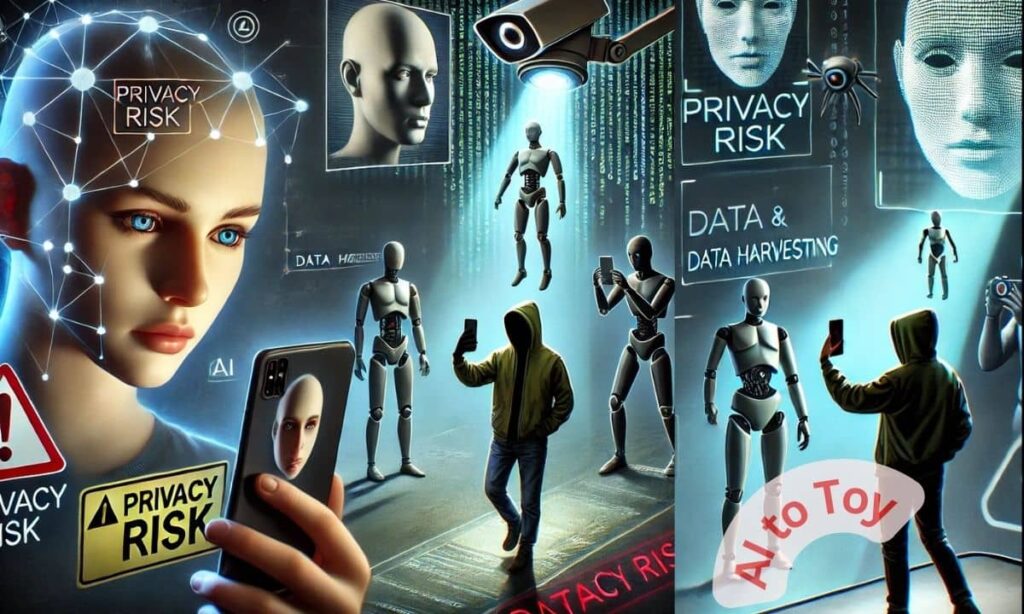
Addressing the Deepfake fraud crisis demands comprehensive security approaches extending beyond technological solutions to include legal frameworks and public education initiatives.
Cybersecurity experts recommend the immediate implementation of enhanced authentication protocols that incorporate multiple verification factors beyond voice identification alone. Behavioral monitoring systems can detect unusual account activity patterns that may indicate fraudulent access attempts.
Customer education programs must address synthetic media risks and provide guidance for recognizing potential fraud attempts. Voice-liveness detection technologies offer additional protection by identifying artificially generated audio during authentication processes.
Altman’s warning extends beyond immediate fraud concerns to encompass fundamental questions about institutional trust and communication authenticity. The approaching crisis threatens confidence in banking systems, security protocols, and the reliability of human voices themselves.
Have you encountered suspicious voice-based communications that might indicate AI fraud? Share your experiences and thoughts on how financial institutions should protect against Deepfake threats in the comments below.