

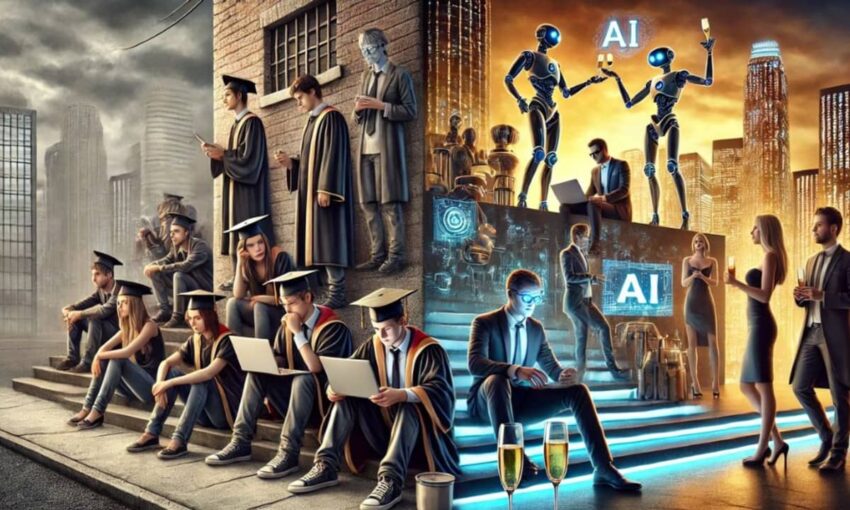
Artificial intelligence has split the technology sector into two vastly different worlds. While AI entrepreneurs accumulate unprecedented wealth, computer science graduates find themselves locked out of the job market they once dominated.
Manasi Mishra, 21, discovered this harsh reality firsthand. The Purdue University computer science graduate spent countless hours submitting applications for software development positions. Her only callback came from an unexpected source: Chipotle.
“I just graduated with a computer science degree, and the only company that has called me for an interview is Chipotle,” Mishra shared in a viral TikTok video that garnered over 147,000 views.
Her experience reflects a broader crisis affecting thousands of technology graduates navigating an industry transformed by automation, workforce reductions, and evolving recruitment strategies.
Tech dreams meet market reality
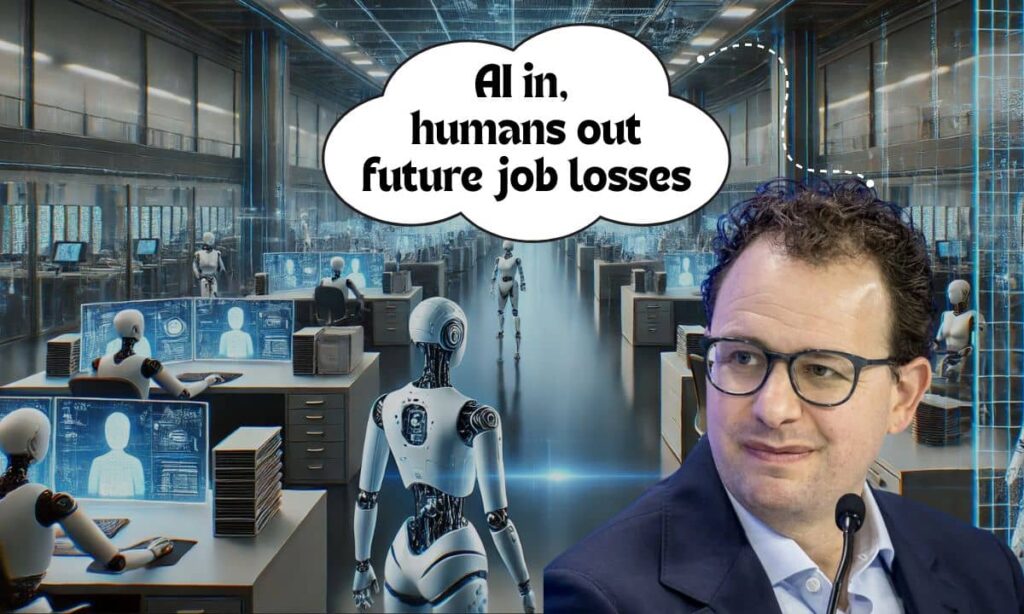
Ten years ago, politicians and technology leaders made bold promises. They assured students that coding skills guaranteed six-figure salaries straight out of college. Universities responded by dramatically expanding their computer science programs.
Student enrollment numbers tell the story. Computer science undergraduate enrollment has doubled since 2014, reaching more than 170,000 students nationwide, according to Computing Research Association data.
But the industry landscape has shifted dramatically. Major technology companies, including Amazon, Microsoft, Meta, and Intel, have implemented significant layoffs. Meanwhile, AI-powered development tools now perform tasks previously handled by entry-level programmers.
Marketing materials for AI coding assistants like CodeRabbit promote faster development cycles and reduced labor costs. The message is clear: fewer human developers are needed.
Employment statistics reveal the severity of the situation. Federal Reserve Bank of New York research shows computer science graduates face a 6.1% unemployment rate. This figure doubles the unemployment rate for biology graduates. Computer engineering majors encounter even worse prospects at 7.5% unemployment.
“The situation is without precedent,” explained Jeff Forbes, former National Science Foundation program director for computer science education. “Four years ago, these same graduates would have had multiple job offers to consider. Today, they struggle to receive interview invitations.”
Job search becomes an endurance test
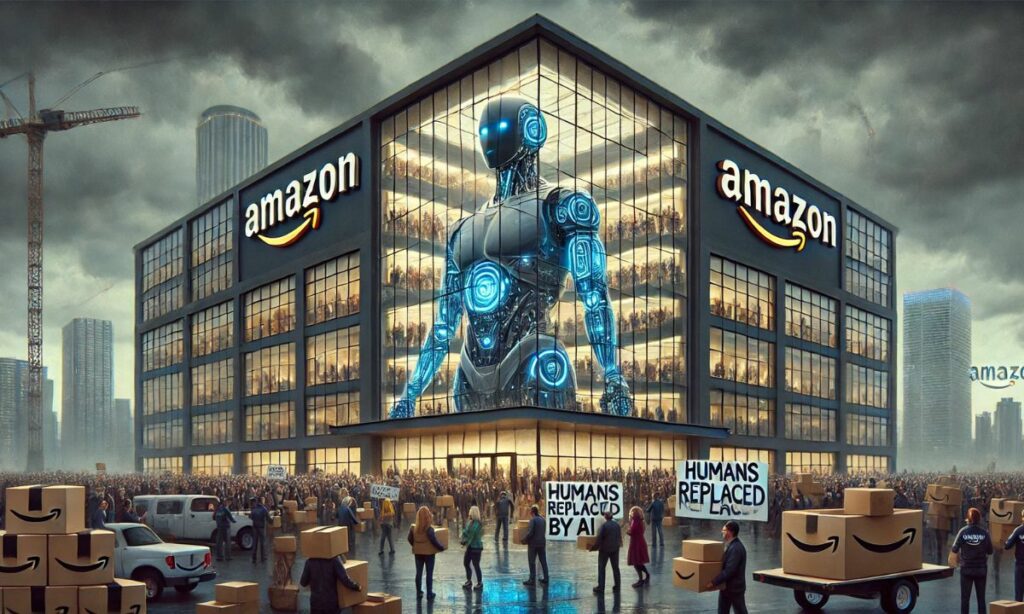
The modern technology job search has become a marathon of rejection. Zach Taylor, 25, exemplifies this struggle. Since graduating from Oregon State University in 2023, he has submitted over 5,700 job applications.
His results? Thirteen interviews. Zero job offers.
Taylor’s desperation led him to apply at McDonald’s. Even the fast-food chain rejected him “for lacking relevant experience.”
Government positions, traditionally a reliable backup option, have become equally challenging due to federal hiring restrictions. Adding insult to injury, AI screening systems now filter resumes before human recruiters review them.
“Companies deploy AI tools to evaluate candidates, eliminating human judgment from the process,” said Audrey Roller, 22, a Clark University data science graduate. She received an automated rejection email just three minutes after submitting one application.
AI wealth creation reaches historic levels
While recent graduates face unprecedented challenges, AI company founders and investors experience record-breaking wealth accumulation. CB Insights research identifies 498 private AI companies valued above $1 billion, representing a combined $2.7 trillion market value. Remarkably, 100 of these companies have been launched since 2023.
Recent funding rounds have produced astronomical valuations. Anthropic, led by CEO Dario Amodei, reportedly seeks $5 billion in new investment at a $170 billion company valuation. OpenAI, under CEO Sam Altman’s leadership, considers a $500 billion valuation for secondary stock sales.
Michael Truell demonstrates the speed of AI wealth creation. The 25-year-old Anysphere founder became a billionaire after his company’s valuation doubled to $20 billion within weeks. Former OpenAI technology chief Mira Murati raised $2 billion in February for Thinking Machines Lab, establishing a seed funding record.
“Examining 100 years of financial data, we have never witnessed wealth creation at this magnitude and velocity,” noted Andrew McAfee, MIT principal researcher.
Silicon Valley wealth concentration
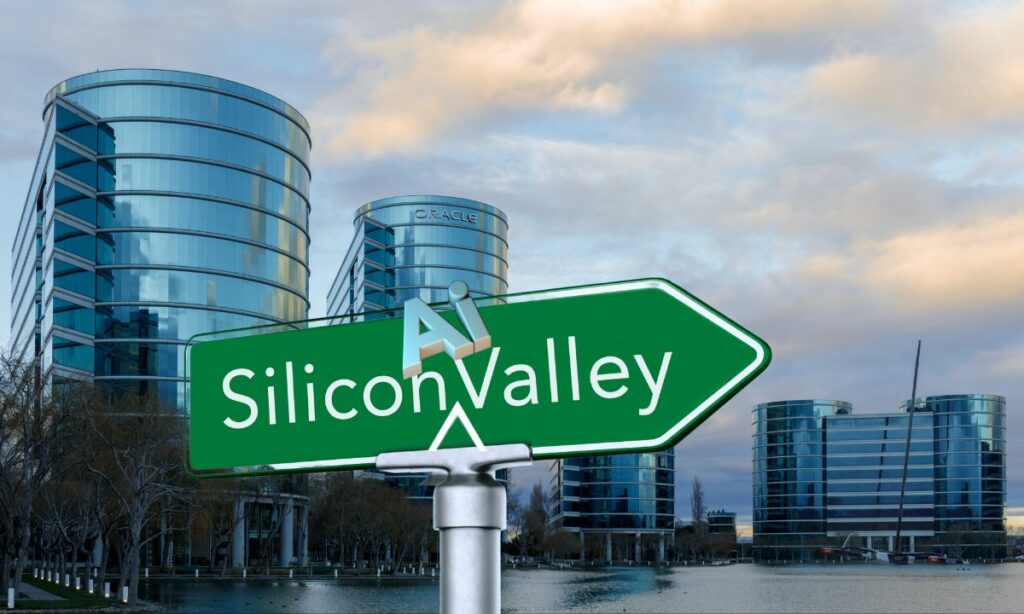
The Bay Area has captured the majority of this new wealth. The region attracted over $35 billion in venture capital investment last year. San Francisco now hosts 82 billionaires, surpassing New York’s 66, according to Henley & Partners analysis.
Luxury real estate reflects this prosperity. More homes exceeding $20 million sold in 2024 than in any previous year on record.
Wealth management firms view the AI boom as a generational opportunity. Much capital remains tied up in private equity, but secondary sales and acquisitions are gradually releasing funds. Industry experts expect AI entrepreneurs to follow previous tech millionaires’ patterns: diversifying investments and funding new ventures.
Technology’s divided future
The AI economy presents a stark contradiction. Investors and company founders enjoy unprecedented financial success while young engineers—the talent that powered previous tech booms—confront diminishing opportunities.
Some graduates adapt to new realities. Mishra leveraged her beauty influencer TikTok following to secure a technology sales position starting this month. Other graduates pursue retraining in AI-specific skills, hoping to align with the industry’s growth areas.
“Losing opportunities to AI feels discouraging,” said Georgetown graduate Jamie Spoeri, 22. “However, adapting to these challenges could create new possibilities.”
With billions flowing into AI startups, the critical question remains: will technology benefits and wealth eventually reach the next generation of workers? For many computer science graduates, the promise of lucrative tech careers seems increasingly distant.
How has the AI revolution affected your career journey or job search experience? Please share your views in the comments below. Your insights could help others navigate this challenging technology landscape.