
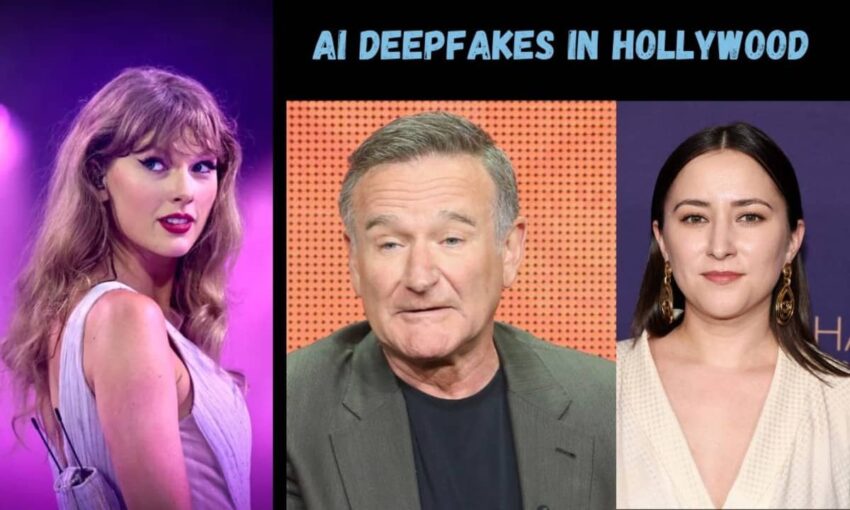
Zelda Williams, daughter of comedian Robin Williams, has condemned AI-generated content featuring her late father. Her passionate plea has reignited debate over synthetic media and digital consent. The rise of AI deepfakes has now placed Hollywood at the center of an emotional and ethical battle.
Zelda Williams speaks out on AI deepfakes
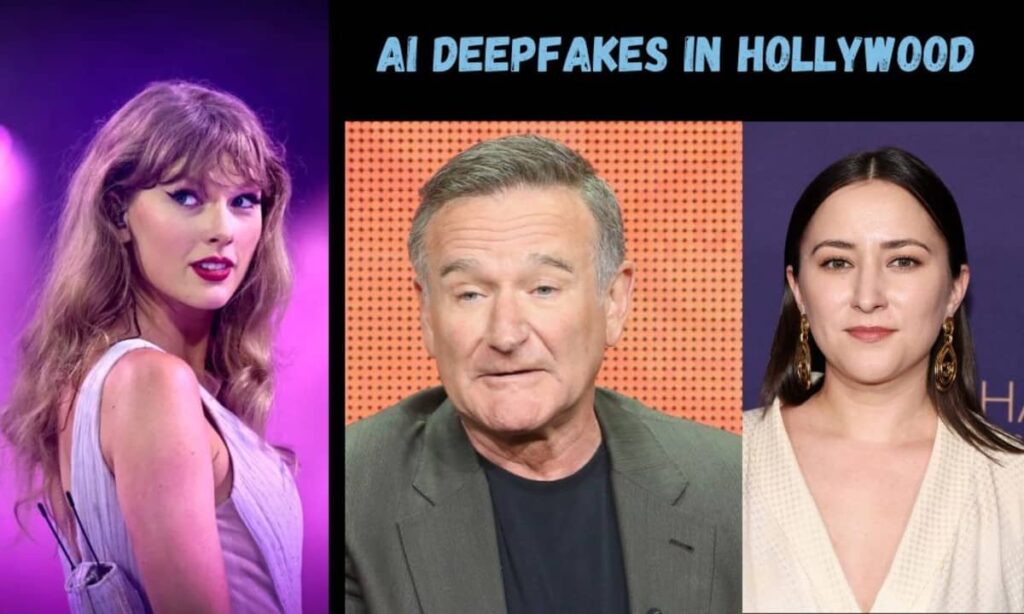
Zelda Williams delivered an urgent message on Instagram about deepfake videos of Robin Williams, who died in 2014 at 63.
“Please, just stop sending me AI videos of Dad,” she wrote. “Stop believing I wanna see it or that I’ll understand, I don’t and I won’t. If you’re just trying to troll me, I’ve seen way worse, I’ll restrict and move on. But please, if you’ve got any decency, just stop doing this to him and to me, to everyone even, full stop. It’s dumb, it’s a waste of time and energy, and believe me, it’s NOT what he’d want.”
Her statement resonates throughout Hollywood, where digital recreations of real people without permission have become increasingly common.
Strong words on legacy and consent
Williams condemned how AI technology reduces authentic human experiences into shallow digital imitations.
“To watch the legacies of real people be condensed down to ‘this vaguely looks and sounds like them so that’s enough,’ just so other people can churn out horrible TikTok slop puppeteering them is maddening,” she explained.
She used vivid imagery to express her disgust with AI content creation.
“You’re not making art, you’re making disgusting, over-processed hotdogs out of the lives of human beings, out of the history of art and music, and then shoving them down someone else’s throat hoping they’ll give you a little thumbs up and like it. Gross.”
Repeating a familiar stand
This marks not her first objection to AI deepfakes in entertainment. In 2023, Zelda aligned with Screen Actors Guild efforts to regulate synthetic recreations.
“I’ve witnessed for YEARS how many people want to train these models to create/recreate actors who cannot consent, like Dad. This isn’t theoretical, it is very very real,” she wrote then.
She described AI-generated performances as “a horrendous Frankensteinian monster” that undermines creative integrity and human authenticity.
Deepfakes beyond Robin Williams
The Williams family’s concerns reflect a broader pattern. Scarlett Johansson faced a manipulated video earlier this year showing her making fabricated statements about antisemitism. She spoke publicly about the immediate threats posed by artificial intelligence.
Musician Neil Finn’s digital likeness appeared in a scam advertisement in August. Crowded House issued swift public corrections.
These cases demonstrate how synthetic media damages reputations and spreads false information.
Role of emerging AI tools
Multiple Robin Williams recreations reportedly used OpenAI’s Sora 2 video generator. A fabricated Apple commercial and a fake clip with Betty White both circulated widely.
Sora’s December release triggered an explosion of synthetic content featuring copyrighted characters from SpongeBob SquarePants, South Park, Pokémon, and Rick and Morty.
OpenAI maintains a reactive approach.
Varun Shetty, head of media partnerships, stated, “We’ll work with rights holders to block characters from Sora at their request and respond to takedown requests.”
Critics argue this places an undue burden on families who must constantly monitor platforms rather than preventing unauthorized use upfront.
Broader concerns in the arts
The creative community sees this as an existential question about performance and creation.
“Living actors deserve a chance to create characters with their choices, to voice cartoons, to put their HUMAN effort and time into the pursuit of performance,” Zelda stated previously.
Musicians, writers, and visual artists share similar anxieties. Their work trains AI models without compensation or permission, potentially eliminating career opportunities.
Parallel controversy: Taylor Swift campaign
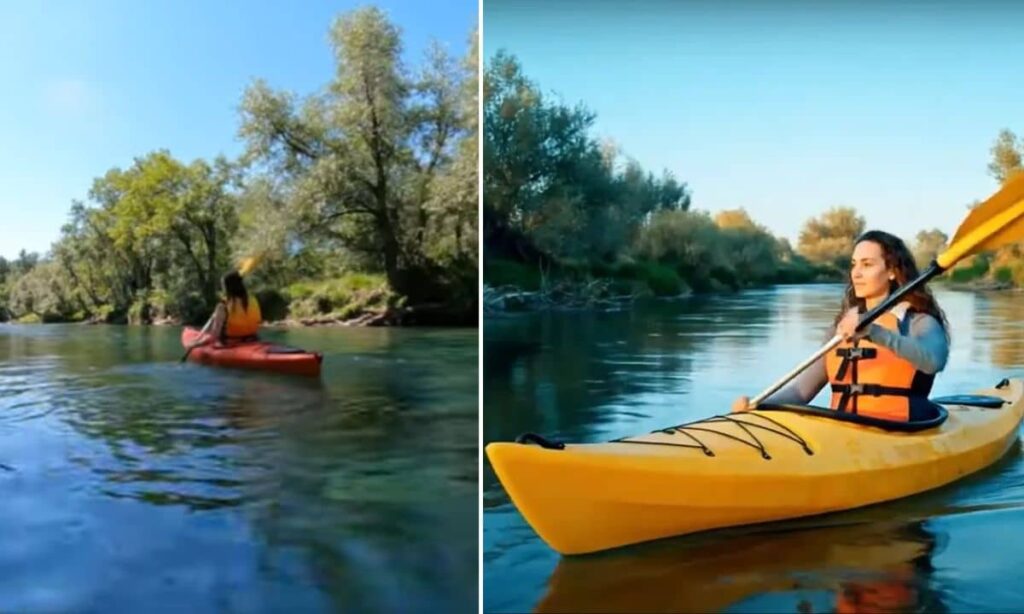
Taylor Swift’s promotional campaign for her album attracted scrutiny over potential AI involvement. Swift partnered with Google for a “Life of a Showgirl” scavenger hunt featuring hidden videos.
Some observers questioned whether the clips used generative AI. The criticism carried extra weight, given Swift’s history of warning about AI misuse after a false political endorsement used her digitally altered image.
Google declined to confirm whether its Veo 3 model contributed to the promotion, intensifying debate about disclosure requirements.
A growing cultural divide
Zelda Williams’ objection reveals a fundamental split in how society views artificial intelligence in creative fields.
Tech enthusiasts see limitless possibilities. Artists and families recognize threats to consent, authenticity, and livelihood.
For those who’ve lost loved ones, this isn’t abstract technological progress. It’s their father, mother, or friend being puppeteered without permission.
Technology races forward. But cultural acceptance requires ethics, empathy, and recognizing that some boundaries shouldn’t be crossed, regardless of technical capability.
What are your thoughts on AI recreations of deceased celebrities? Should families have legal power to prevent unauthorized digital likeness? Share your perspective in the comments below.