

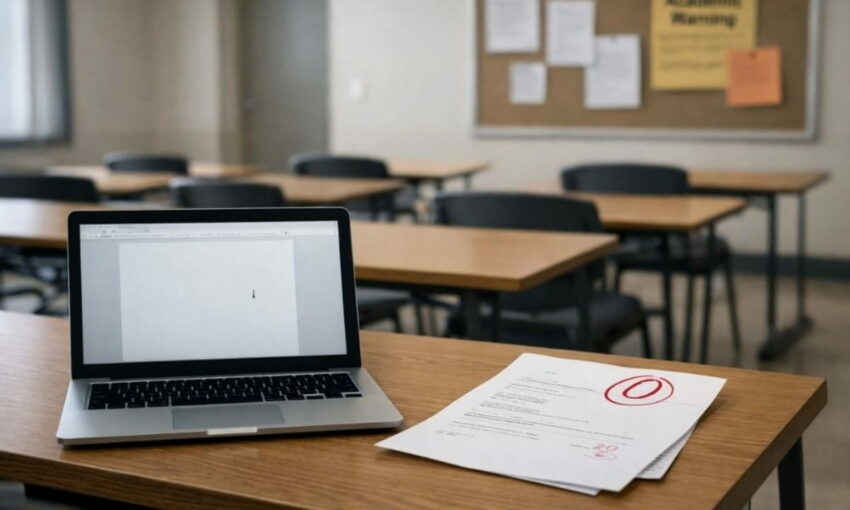
Louisiana State University faces a mounting crisis as artificial intelligence detection tools flood the campus with AI cheating accusations, creating a massive backlog that threatens student records and financial aid packages.
Documents obtained by WAFB and interviews with affected students reveal a system under strain, where machine-generated scores determine academic fate and scholarship dollars hang in the balance.
Students blindsided by zero grades
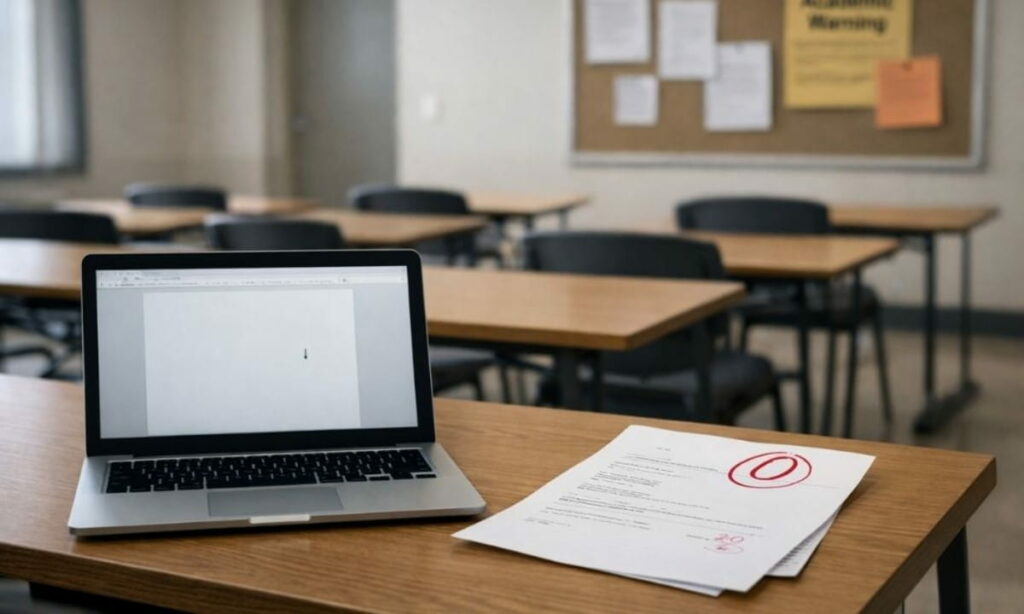
The nightmare began for one LSU student the moment she checked her assignment grade online.
“I went to go check my grades, and I saw that I had a zero,” said the student, who requested identification only as Sarah.
Her professor’s note claimed the work was 93% AI-generated.
Sarah quickly discovered she wasn’t alone. Classmates received identical verdicts on the same assignment.
“I turn to the other people in my class, and they’re like, yeah, we got zeroes on it,” Sarah explained. “We email her. She emails us back and says she’s reported us to SAA.”
The Student Advocacy and Accountability Board handles LSU’s academic misconduct investigations. Students can appeal allegations, accept fault, or demand hearings. But Sarah’s attempt to clear her name hit an immediate wall.
“They sent an automatic message back saying they are backed up with cases right now,” she said.
The response warned that her case manager would reach out eventually.
Financial aid threatened by investigation delays
The waiting game carries devastating consequences for LSU students relying on scholarship money. Sarah watched weeks pass while her grades stayed frozen.
Her tuition assistance depended directly on maintaining specific academic benchmarks. The unresolved investigation put everything at risk.
Faced with losing financial support, Sarah made a difficult choice.
“I said that I used AI because one of my scholarships needed my grades,” she admitted. “If I appealed that I didn’t use AI, it would just prolong the process, and I really needed to submit them my grades.”
Her father pushed for a formal challenge and legal representation. The family ultimately backed down, fearing the potential fallout.
“It wasn’t fair that my school tuition was on the line,” Sarah said.
Widespread panic across campus
Public records reviewed by WAFB confirm Sarah’s situation represents a broader problem. Dozens of artificial intelligence-related cases remained open as the fall semester concluded. Internal communications show staff overwhelmed by complaint volume.
Student messages to SAA officials paint a picture of campus-wide distress. One email reads: “My whole class is being accused of using AI. People are crying, and we are being told that it is our fault.”
A concerned parent wrote to administrators describing the situation as “quite distressing,” noting confused expectations and inadequate student support throughout the investigation process.
Faculty question detection tool reliability
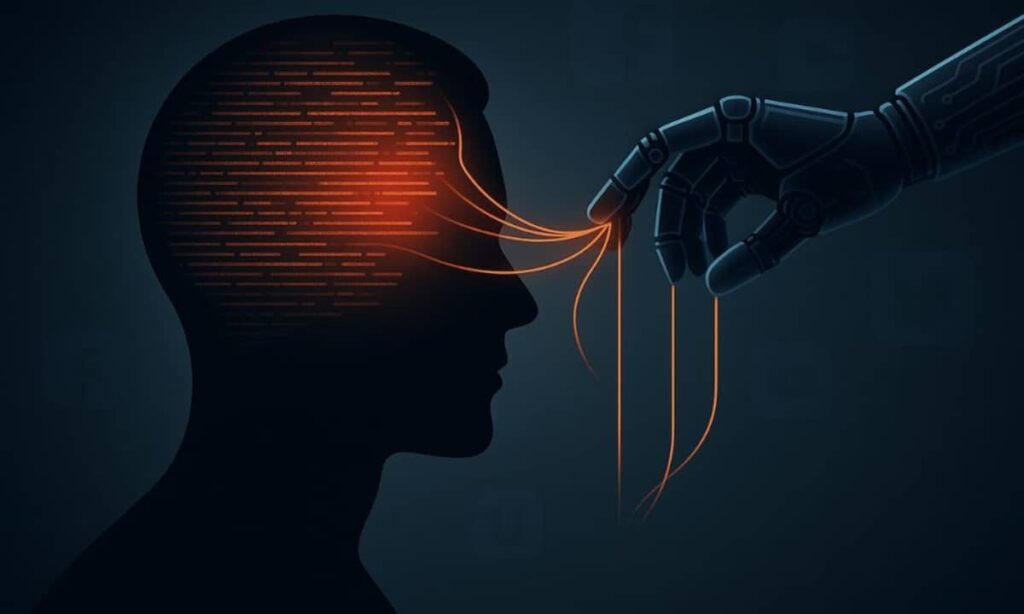
Professors are raising red flags about the technology driving these accusations. Some instructors requested clear guidance on ethical standards and enforcement protocols from university leadership. Others expressed doubt about using automated systems as primary evidence.
Professor Andrew Schwarz from LSU’s College of Business doesn’t mince words about current detection capabilities.
“An AI system cannot determine whether or not something that is generated is AI or not,” Schwarz stated.
He explained that higher education policy hasn’t kept pace with technological advancement.
“We’re trying to figure out as well,” Schwarz said. “Because if we look at how AI is impacting education, it’s impacting our jobs as well and how we deliver content.”
The uncertainty affects everyone on campus. Students struggle to understand which forms of technological assistance remain acceptable and which trigger misconduct allegations.
“What we’re seeing is a lot of anxiety,” Schwarz noted. “Students are anxious because they don’t know really where should I use AI where should I not use AI.”
Detection technology produces questionable results
Experts warn that artificial intelligence detection software relies on probability algorithms rather than concrete proof. Grammar patterns, writing consistency, and content structure can all generate false accusations. Brief assignments and standardized prompts increase error rates. Even students with naturally polished writing skills risk getting flagged.
Inconsistent policies fuel confusion
Colleges nationwide grapple with similar challenges as AI writing tools become ubiquitous. Institutional policies vary dramatically between academic departments. Some professors permit limited AI assistance with proper disclosure. Others ban the technology entirely. Individual instructors often make enforcement decisions without clear institutional guidance.
LSU students report that inconsistent standards amplify their confusion. Accused students describe difficulty securing timely case reviews. Many believe accepting responsibility offers the quickest route to protecting financial aid, regardless of actual guilt.
University officials haven’t publicly explained how detection scores influence decisions or when the case backlog might clear. LSU maintains that students retain appeal rights.
Lasting impact on student confidence
LSU students like Sarah say the experience fundamentally altered their approach to academic work. Fear replaced confidence. Every sentence gets scrutinized.
“I don’t even know what safe writing looks like anymore,” Sarah said.
The debate continues as colleges navigate new technological realities. How institutions respond will shape student trust for years to come.
What’s your take on AI detection in higher education? Please share your thoughts and experiences in the comments below.