

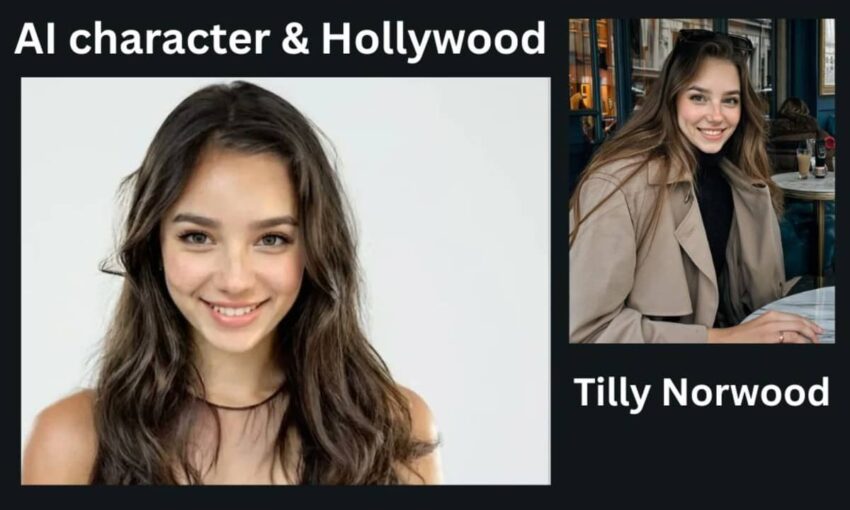
Hollywood talent agencies are rushing to sign their first artificial intelligence-generated performer. British technologist Eline Van der Velden revealed at the September 2025 Zurich Film Festival that multiple agencies are interested in representing Tilly Norwood, an AI character from her AI company Xicoia.
The industry response has changed dramatically. Van der Velden described initial reactions as confused. By spring 2025, major talent representatives had reversed course. They now see potential in signing a digital performer, she told the Zurich Summit audience.
This shift marks a watershed moment for the entertainment industry. No agency has previously represented a synthetic actor. Norwood would break that barrier. Van der Velden expects contracts to be finalized by December 2025. The development showcases rapid advances in machine learning and digital character creation.
Xicoia’s technology uses AI models trained on massive image databases to produce what the company calls a hyperrealistic digital human capable of performing, speaking, and aging on camera.
Crafting a virtual star
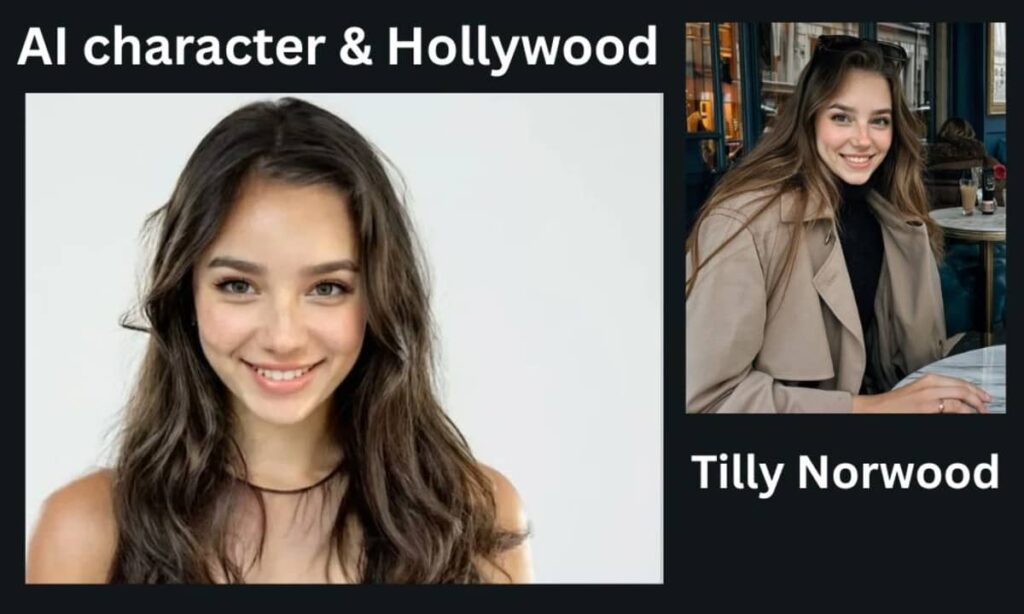
The AI character appears as a woman in her twenties from Britain. Her online profiles identify her as a London-based aspiring digital performer.
One biography states: “You’ll either get it or pretend you don’t. I’m a creation.”
Earlier digital characters served limited functions in advertising or background scenes. Norwood represents something different. She takes on scripted acting work. Her first appearance came in July 2025 in a comedy short called AI Commissioner. The sketch imagines artificial intelligence systems approving TV show concepts.
Van der Velden harbors big ambitions. She wants Norwood to achieve A-list status comparable to major Hollywood stars, she told Broadcast International. Xicoia’s platform aims to cut production expenses by eliminating traditional casting processes and location filming. The technology promises creative freedom unbound by financial limitations, Van der Velden argues. She sees AI as genuinely beneficial for artistic expression.
Human backlash and ethical fears
News of potential agency representation triggered immediate pushback from entertainment professionals. Actors and screenwriters expressed outrage on social media and in interviews.
Actor Melissa Barrera criticized the move on Instagram. She suggested performers should abandon any agency that signs a synthetic actor, calling the decision tone-deaf amid ongoing labor tensions over generative AI technology.
Mara Wilson, known for starring in Matilda, raised questions about training data. She asked why the numerous women whose facial features trained the AI character weren’t hired for actual roles instead.
Established performers shared concerns about television programs. Whoopi Goldberg addressed the issue on The View. She argued that audiences can distinguish between human and AI-generated performances. Real actors move differently, she said. Their faces and bodies have distinct qualities that machines cannot replicate, even when trained on thousands of performer images.
Opposition extends beyond individual celebrities. Entertainment unions have fought against AI implementation for months. Workers staged prolonged strikes in 2023 and 2024, demanding safeguards against generative technology. Voice performers particularly worry about job displacement. The technology can transform one recording into countless variations, potentially eliminating work opportunities.
A creator defends her canvas
Van der Velden rejects accusations that Norwood threatens human employment. She frames the digital character as artistic expression rather than workforce replacement. The creator views her work as art, not competition.
In social media posts, she drew parallels to earlier entertainment innovations. Animation, puppetry, and computer graphics all expanded creative possibilities without eliminating live performance, she wrote. Artificial intelligence offers another storytelling avenue, she contends.
Van der Velden compares creating AI character Norwood to illustrating comics or sculpting. She describes her work as craftsmanship. Her stated goal involves expanding narrative tools rather than replacing working actors. She wants audiences to reconsider what constitutes performance.
AI’s growing role in film
Synthetic performers may be novel, but AI has infiltrated filmmaking gradually. Skywalker Sound partnered with Ukrainian company Respeecher to recreate James Earl Jones’s Darth Vader voice for the 2022 series Obi-Wan Kenobi. Similar technology made Mark Hamill sound younger in The Mandalorian.
Voice cloning raises distinct ethical concerns. Performers fear studios might exploit archived recordings without proper payment. SAG-AFTRA committee member Zeke Alton noted that adequate consent and compensation arrangements would prevent labor conflicts.
Machine learning tools now assist with trailer assembly, language dubbing, and crowd generation. These applications generate less controversy. Industry observers predict more AI-driven productions as technology improves. Van der Velden says major studios are adopting these tools quietly. She anticipates significant AI-related announcements soon.
Some experiments have stumbled. Lionsgate reportedly struggled with an AI video company because its content library proved insufficient for generating quality footage.
Navigating uncharted territory
Norwood remains an experiment testing how audiences and unions respond when synthetic actors vie for roles alongside humans. Potential agency representation creates complex questions about compensation structures, ownership rights, and residual payments for digital characters appearing in multiple projects simultaneously.
Legal experts note that standard contracts often grant studios extensive rights to performer likenesses. AI-generated characters complicate distinctions between data, identity, and artistic creation. Van der Velden believes the industry can establish guidelines protecting human workers while encouraging innovation. She sees AI democratizing filmmaking by reducing costs and helping independent creators produce ambitious projects without massive budgets.
What comes next
An agency deal may materialize before 2026. Norwood could then compete for significant roles. Whether audiences embrace synthetic performers or reject them remains uncertain. Her existence forces Hollywood to reassess its relationship with machine learning technology.
Success might spawn numerous virtual celebrities. Failure could reinforce the value of human performers. As Van der Velden and critics continue debating, one certainty emerges: artificial intelligence is transforming entertainment. The controversy surrounding Norwood highlights how technology challenges fundamental assumptions about creativity, labor, and the nature of performance itself.
What’s your take on AI performers in Hollywood? Do digital actors represent creative evolution or a threat to human performers?
Please share your thoughts in the comments below.