

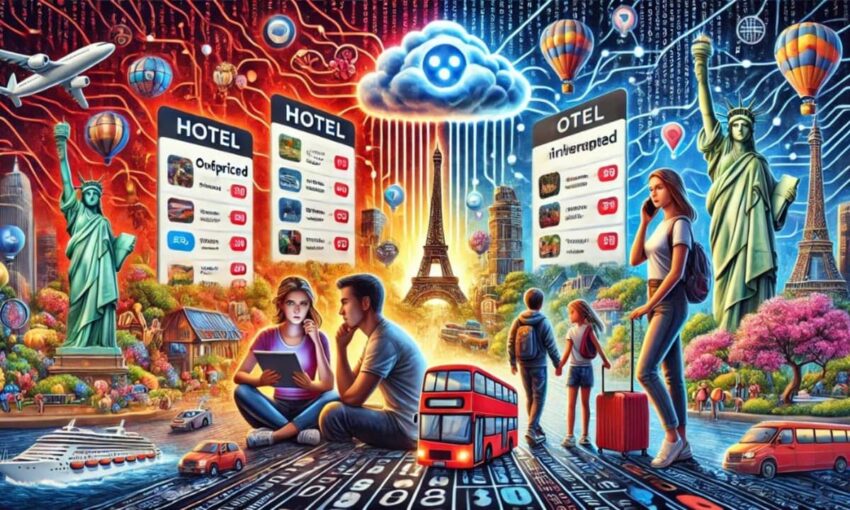
Marketing consultant Orit Ofri thought artificial intelligence would streamline her Paris getaway. The Portland resident turned to AI search for help. What she got instead was a nightmare of misinformation – AI errors to be precise.
The digital assistant recommended visiting a museum on its closure day. It pointed her toward dining options near the Eiffel Tower that sat far beyond her specified walking radius.
“Bad advice,” she called it.
What started as a promise of hassle-free vacation planning devolved into chaos fueled by inaccurate information and algorithmic prejudice.
Stories like hers, about AI bias, are multiplying. More people trust AI systems to craft their travel experiences. These automated tools offer remarkable speed and ease of use. Yet they frequently mask serious shortcomings that can upend carefully planned journeys.
The allure of AI travel planning
Digital assistants have emerged as popular resources for vacation preparation. Users input their spending limits, personal tastes, and travel windows. Seconds later, a complete schedule materializes. No more endless scrolling through travel blogs or comparing countless user reviews.
“AI can rapidly generate a broad itinerary and compare destinations far faster than a human ever could,” said Nic Adams, CEO of tech firm Orcus.
The appeal proves undeniable. Research conducted by Qlik last July revealed 78% of vacationers uncovered locations they would have missed without AI assistance. One in five reported actual cost savings. Summer travelers using these platforms cut their research time by an average of seven hours.
Terri Brien experienced these advantages firsthand. The interior designer employed ChatGPT to structure her London adventure. She found the daily flow worked seamlessly. After a rural excursion fell through, the program instantly suggested the National Gallery.
“It was perfect,” she said.
When smart tools make dumb mistakes
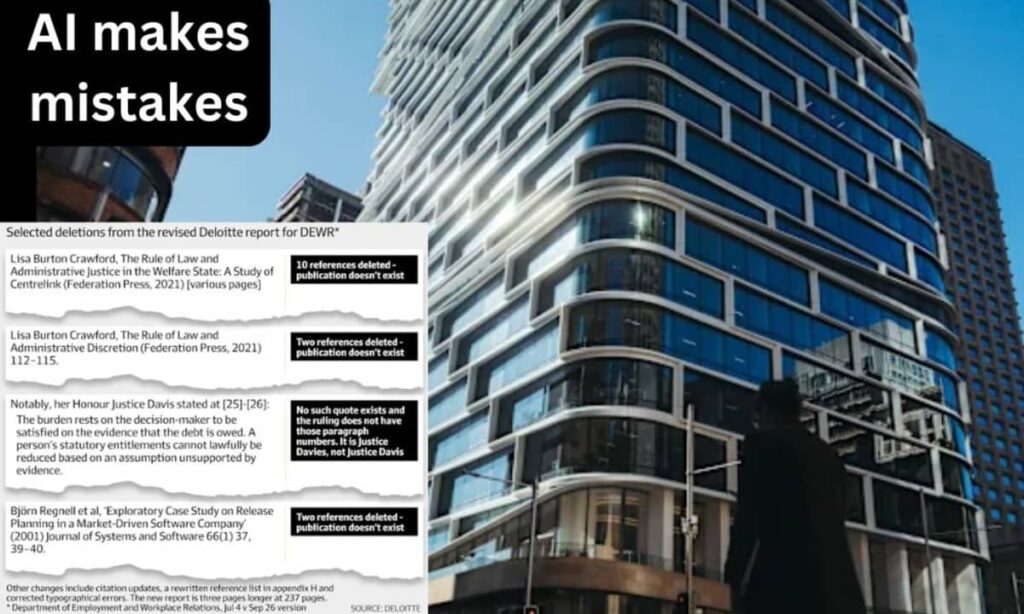
But AI dependence is still not recommended. AI analyst Jonas Muthoni discovered his Kenya itinerary ignored seasonal roadway shutdowns. The system relied on obsolete tourism statistics rather than current local intelligence, a grim example of AI bias.
SEO Travel, a U.K. marketing agency, evaluated AI-generated travel schedules systematically. Their findings proved disturbing. Ninety percent contained factual mistakes. A quarter directed travelers to permanently shuttered eateries. Over half recommended visiting attractions during off-hours.
Marketing expert Clayton Johnson learned this lesson the hard way. The Minneapolis resident followed Google’s AI routing to reach a client appointment. He arrived 45 minutes late. The system had disregarded active construction zones.
The core problem? These platforms present false information with unwavering certainty.
“AI can create bias and incorrect results if outdated data is used,” said Katie Robertson, technology director at 360 Private Travel. “Getting an incorrect recommendation isn’t just inconvenient. It can completely ruin someone’s travel experience.”
Hidden commercial bias
Inaccurate data represents just one problem. A more insidious issue lurks beneath: systematic favoritism. AI platforms may push travelers toward choices that enrich advertisers instead of serving consumer interests.
Milton Brown tested ChatGPT for his upcoming journey. The digital marketing budget manager got suspicious results. The system proposed accommodations costing 40% more than comparable nearby properties with identical ratings. The reason? Those pricier hotels maintained aggressive online marketing campaigns that fed data into the AI’s training materials.
“AI frequently suggests mainstream aggregators rather than uncovering hidden deals,” Adams added.
Most services refuse to reveal their information sources or ranking methodologies. This opacity leaves travelers unaware of the financial motivations influencing their options. That leaves travelers blind to the commercial incentives shaping their results.
Real-world failures
Chris Dyer planned his family’s Japanese holiday using AI. He watched the strategy crumble. The proposed schedule contained incorrect ferry departure times. One museum had sold out. A temple remained closed for repairs. Transit connections assumed impossible timing. Multiple restaurants required bookings that the AI never mentioned.
“AI predicts text from patterns and averages,” he explained. “It doesn’t know about closures, strikes or festivals.”
Such oversights transform anticipated dream vacations into frustrating detours. These blind spots turn what should be memorable trips into logistical nightmares.
How to outsmart the algorithm
Travel professionals advocate a balanced approach. Begin with AI capabilities, but conclude with human verification. Experts recommend a hybrid strategy.
Use AI as a brainstorming tool. Treat these platforms as assistants gathering preliminary concepts. Not as final authorities.
Be specific in prompts. Greater specificity produces superior results. The more detail you provide, the better the outcomes. Vague requests yield vague answers.
Double-check vital details. Contact venues directly to confirm schedules, reservation requirements, and current conditions. Confirm opening hours, booking rules, and policies directly with establishments.
Leave final bookings to humans. AI excels at comparison tasks but fails at confirmation. These systems work best for evaluation, not reservation.
“Think of AI as a starting point,” said Chip Lupo of WalletHub. “Not a final travel agent.” Else, you could be a victim of AI bias.
The future of AI in travel
Despite current limitations, artificial intelligence continues to advance. Jack Ezon of Embark Beyond sees rapid development happening now.
“While it lacks accuracy and acumen, it is light-years better than it was six months ago,” he said.
AI consultant Greg Miller shares that optimistic perspective.
“It’s a great idea generator and filter. Treat it like a smart intern. Confirm the details with humans and official data.”
Ethics professor Derek Leben at Carnegie Mellon University identifies one clear advantage: time savings. “It can reduce a lot of time spent sorting through travel blogs and review platforms.”
The technology keeps improving at a remarkable pace. Systems learn from errors. Updates arrive frequently. The gap between promise and performance continues narrowing.
AI bias: Is it real?
Artificial intelligence has revolutionized vacation preparation methods. It saves time, surfaces new destinations, and organizes chaos into structure. But it remains an imperfect resource. It is not a flawless guide.
Algorithmic or AI bias, outdated databases, and absent context can easily demolish holiday plans. Bias, outdated data, and missing context can wreck a holiday plan.
Perhaps the greatest danger involves homogenization. When everyone follows identical AI-generated “best” recommendations, identical restaurants and landmarks become overwhelmed. Crowds swell at the same restaurants and attractions. Vacationers wind up with duplicate experiences rather than distinctive adventures. Travelers end up with copycat vacations rather than unique experiences.
The takeaway stands clear. The lesson is clear. AI can elevate your travels, but only when you maintain skepticism, verify details, and balance digital suggestions with human insight. It can enhance your trip, but only if you remain skeptical, verify details, and supplement with human judgment.
The most memorable journeys still happen where algorithms cannot reach. After all, the best adventures often happen beyond the algorithm.
Have you used AI to plan your travels? Did you encounter problems or discover hidden gems? Please share your views about AI bias in the comments below.