

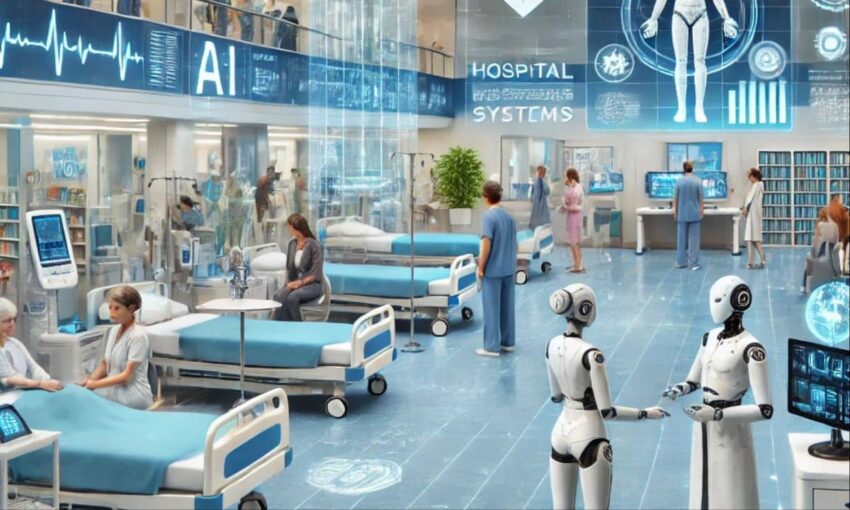
Taiwan’s healthcare landscape witnesses a monumental shift as Ubitus partners with MacKay Memorial Hospital to deploy sophisticated AI-driven robots. The collaboration, demonstrated at NVIDIA’s 2025 GTC Taiwan event, represents a pivotal moment in healthcare digital transformation.
This strategic alliance leverages NVIDIA’s cutting-edge technology stack to introduce autonomous medical robots into clinical environments. The implementation showcases how artificial intelligence revolutionizes patient care delivery while streamlining hospital operations across multiple departments.
The initiative positions MacKay Memorial Hospital as Taiwan’s pioneer in adopting NVIDIA B200 technology for smart hospital systems. Healthcare automation reaches new heights through this comprehensive robotic deployment designed to enhance patient outcomes and operational efficiency.
Advanced robotic systems redefine medical care standards
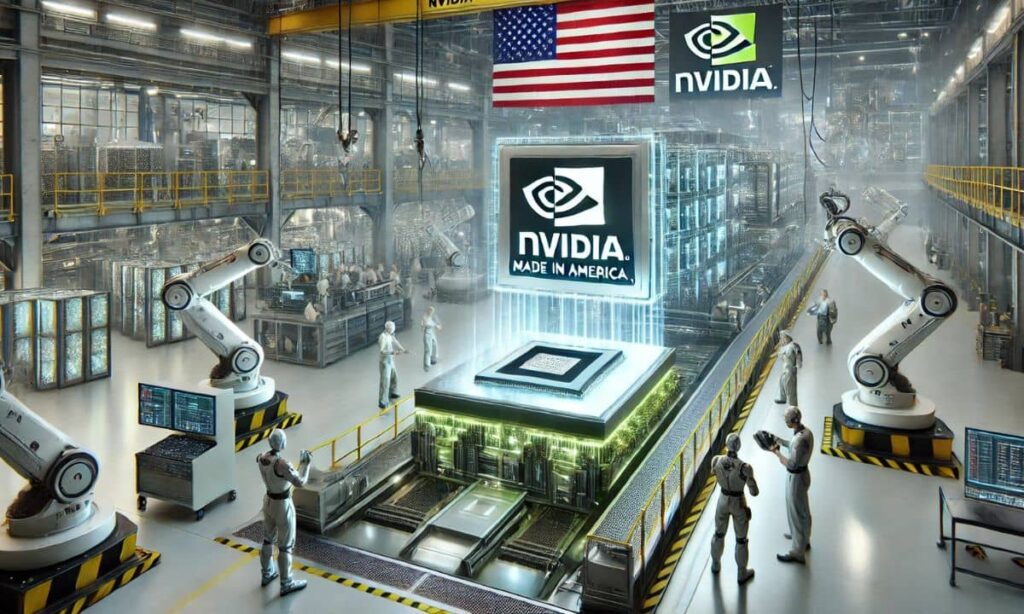
The partnership delivers three specialized robotic platforms, each engineered to address distinct healthcare challenges. These AI-powered medical assistants integrate seamlessly with existing hospital infrastructure while introducing unprecedented levels of automation.
Healthcare technology integration becomes tangible through these innovative solutions. Each robot operates independently while contributing to a unified smart hospital ecosystem that prioritizes patient experience enhancement and staff productivity optimization.
The robotic healthcare assistants demonstrate how medical AI technology can complement human expertise rather than replace it. This collaborative approach ensures healthcare professionals can focus on complex medical decisions while robots handle routine operational tasks.
An autonomous mobile robot enhances the patient journey
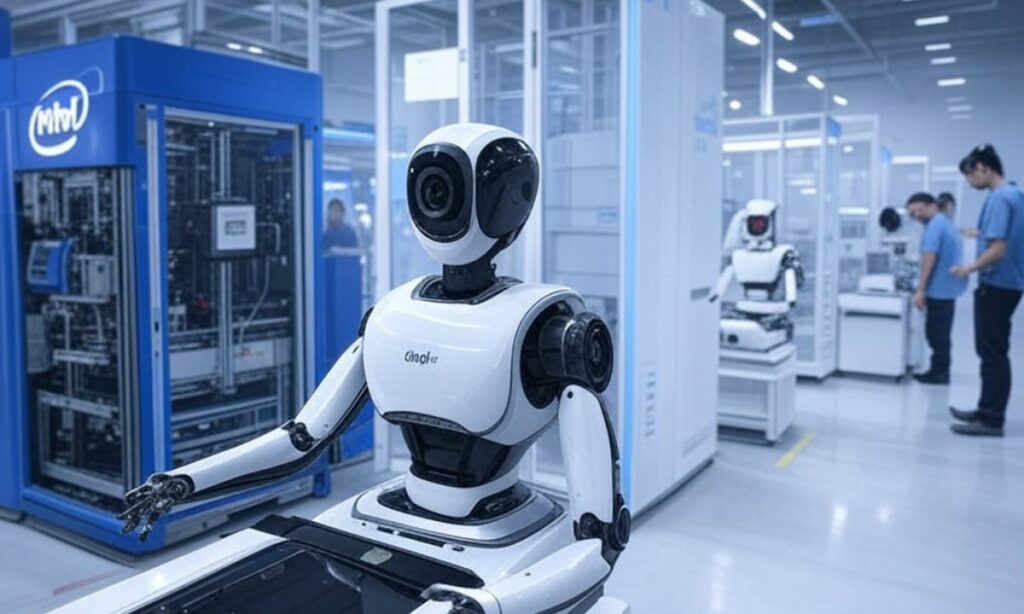
The AMR system transforms patient navigation and hospital registration processes through intelligent automation. This medical robot deployment features advanced conversational AI capabilities that provide personalized guidance throughout patient visits.
Patient care innovation reaches new standards as the robot offers multilingual support and emotional companionship. The system reduces wait times and improves patient satisfaction scores through efficient service delivery and real-time assistance.
Healthcare automation extends beyond basic navigation to include interactive patient education and appointment management. The robot’s virtual assistant functionality creates smoother patient flow while reducing administrative burden on hospital staff.
Humanoid robot revolutionizes laboratory operations
The NVIDIA Isaac GR00T N1-powered humanoid system handles specimen transport and material management with precision. This robotic healthcare assistant operates autonomously in laboratory environments, minimizing human error and cross-contamination risks.
Medical automation solutions prove their worth through consistent performance and 24/7 availability. The dual-arm manipulation system manages complex laboratory protocols while maintaining strict safety standards required in medical environments.
Hospital efficiency improvements become evident as the humanoid robot streamlines logistics operations. The system reduces turnaround times for laboratory results while ensuring accurate specimen handling throughout the testing process.
Quadruped robot monitors environmental safety
The four-legged robotic platform utilizes NVIDIA Jetson AGX Orin technology for comprehensive environmental monitoring. This specialized unit accesses restricted areas and hazardous zones where human presence poses safety risks.
Healthcare technology integration extends to facility management through advanced sensor capabilities. The robot detects gas leaks, monitors temperature variations, and identifies potential water damage before issues escalate into major problems.
Smart hospital systems benefit from real-time environmental data transmission that enables proactive maintenance scheduling. The quadruped robot’s mobility allows comprehensive facility monitoring while generating detailed safety reports for management review.
Virtual testing accelerates real-world implementation
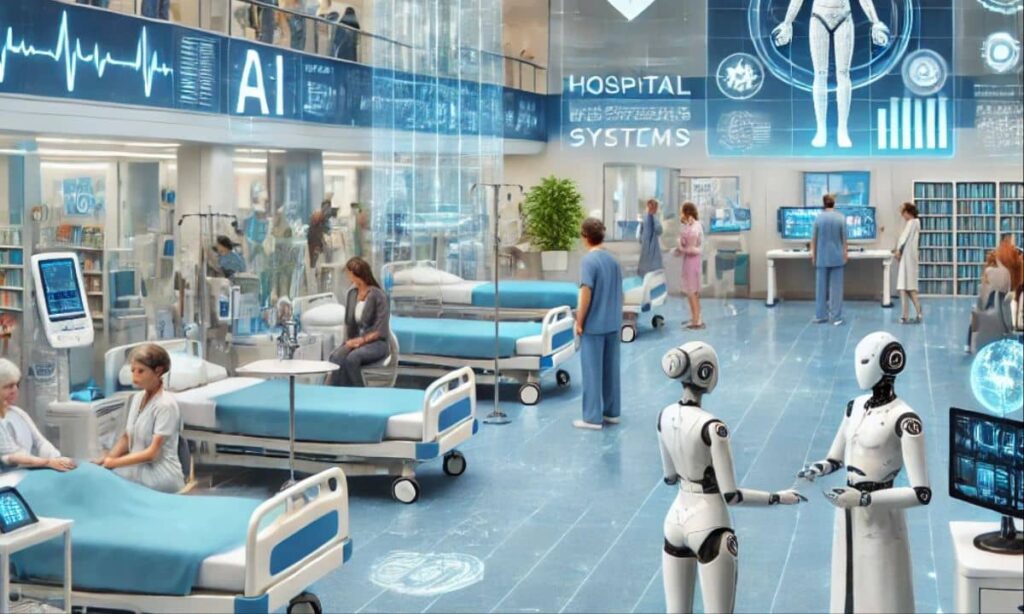
NVIDIA Omniverse and Isaac Sim platforms enabled comprehensive virtual testing before physical robot deployment. This approach significantly reduces implementation risks while accelerating the timeline for healthcare digital transformation initiatives.
Virtual-physical integration methodology allows hospitals to optimize robotic performance before live deployment. The simulation environment enables thorough testing of various scenarios and edge cases that robots might encounter in clinical settings.
Hospital robotics deployment becomes more predictable and cost-effective through virtual validation processes. This methodology ensures robots perform optimally from day one while minimizing disruption to ongoing medical operations.
Wesley Kuo, Ubitus CEO, emphasized the partnership’s significance in advancing healthcare automation. “This collaboration demonstrates the practical application of AI technology in medical environments,” Kuo stated. “We’re proud to support MacKay’s transformation into Taiwan’s first NVIDIA B200-enabled smart hospital.”
Expanding horizons for medical AI technology
The partnership establishes a foundation for broader healthcare technology integration across multiple medical specialties. Future developments will extend AI-powered healthcare solutions to emergency departments, rehabilitation centers, and long-term care facilities.
Medical robot deployment strategies will evolve to encompass diverse healthcare settings beyond traditional hospital environments. The scalable technology platform supports customization for specific medical specialties and patient populations.
Healthcare digital transformation continues as the partnership explores additional applications for robotic healthcare assistants. The collaboration aims to establish comprehensive smart hospital systems that integrate seamlessly with existing medical workflows.
MacKay Memorial Hospital’s leadership expressed enthusiasm about the partnership’s potential impact. “This collaboration enhances our service quality while optimizing operational workflows,” hospital officials noted. “Our staff already experiences reduced workloads and improved efficiency through these AI-powered solutions.”
Healthcare industry transformation through robotic innovation
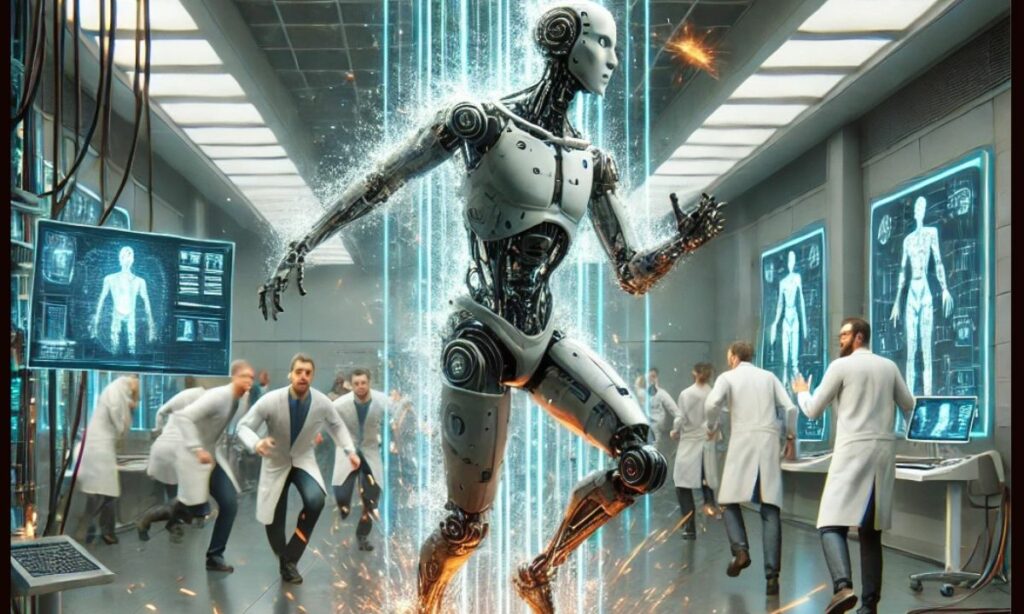
The introduction of AI-driven medical robots marks a watershed moment for healthcare automation worldwide. These technological advances address critical challenges including staffing shortages, operational inefficiencies, and rising healthcare costs.
Patient care innovation extends beyond individual hospitals as successful implementations inspire broader industry adoption. The proven benefits of robotic healthcare assistants create compelling cases for widespread deployment across healthcare systems globally.
Smart hospital systems represent the future of medical care delivery, combining human expertise with artificial intelligence capabilities. This technological evolution promises improved patient outcomes while creating more sustainable healthcare operations for the long term.
Healthcare technology integration continues evolving as medical AI technology becomes increasingly sophisticated and accessible. The success of this Taiwan-based partnership provides a roadmap for hospitals worldwide seeking to modernize their operations through robotic automation.
How do you envision AI-powered robots changing your healthcare experience? Join the conversation by sharing your thoughts.