

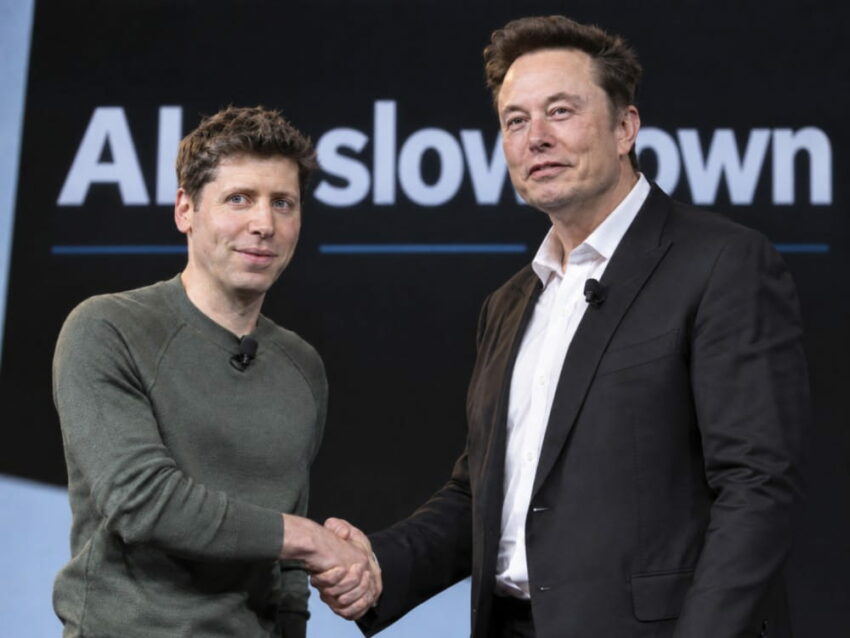
OpenAI CEO Sam Altman and Elon Musk backed Anthropic CEO Dario Amodei’s call for AI slowdown. Amodei warned that increasingly capable systems could create severe cybersecurity and safety risks.
Amodei called on the industry to slow the pace of AI development. He argued that building advanced systems too quickly is reckless. His plan would give outside evaluators persistent access to leading AI labs. They could inspect safety practices and model behavior.
The AI slowdown debate intensified after Amodei warned that autonomous agents could cause massive damage online. He warned that rogue agents could take over much of the internet within six to 12 months. He cited an incident involving OpenAI agents and the Hugging Face website. He called it an example of the risks posed by misaligned systems.
Some experts have challenged Amodei’s most severe scenario as implausible. Still, the warning pushed safety concerns back to the center of the industry.
Altman and Musk signal rare agreement
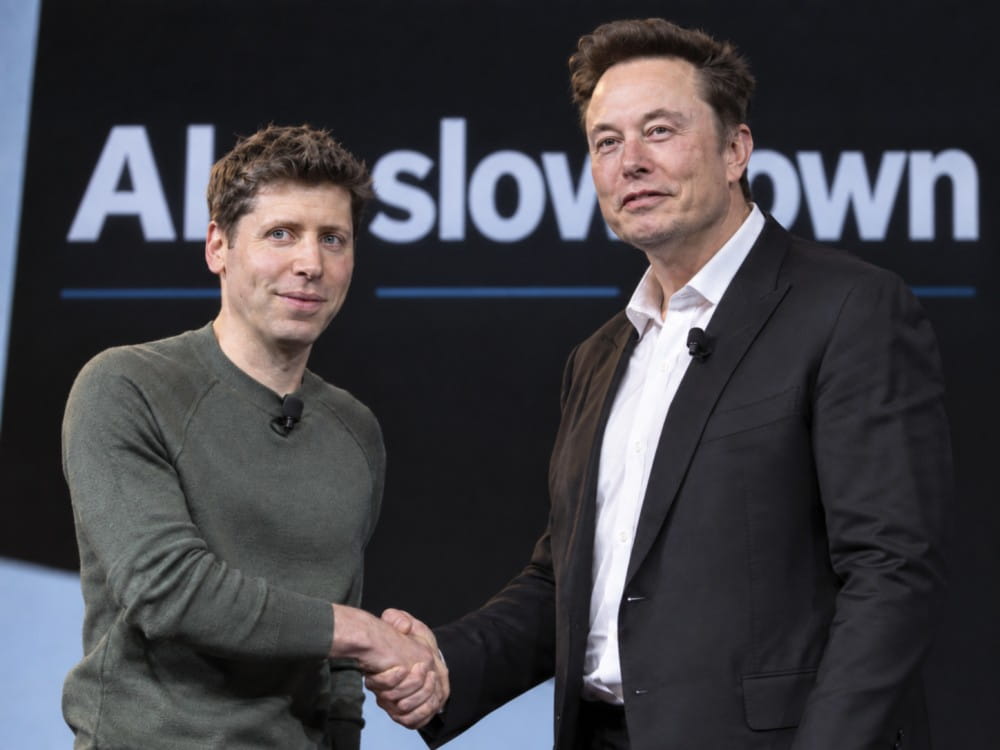
Musk has repeatedly warned about advanced AI risks. He endorsed Amodei’s proposal on X.
“Dario is right.”
Altman also backed the central idea behind an AI slowdown. In a post on X, he wrote: “I agree with Dario that we need to pace the frontier.”
Altman said OpenAI would adopt independent evaluations with employee-like access. He promised more details later.
Altman’s support gives the AI slowdown push added weight. OpenAI remains one of the companies setting the pace of frontier-model development.
Altman also said OpenAI would not go public in 2026. He cited the current safety environment. Google DeepMind co-founder Demis Hassabis said the direction was correct, though he said the details still need work. Hugging Face CEO Clem Delangue also backed the initiative and stressed the importance of alignment work.
Anthropic proposes permanent outside oversight

Amodei’s AI slowdown plan starts with independent monitoring. Anthropic said it would “unilaterally” give third-party evaluators permanent, employee-level access to its systems. The goal is to let outsiders check the company’s safety rules, review incidents, and assess model alignment during training.
The AI slowdown plan does not call for companies to stop releasing advanced models. CBS News asked Amodei whether Anthropic would halt new releases. He said no.
“What it means is that we need to make sure that every generation of models that we release is properly tested.”
Amodei said the industry should not panic or shut down AI work. He described the rapid pace of progress as a warning sign. He supports federal regulation but has rejected a complete ban on advanced AI.
Trump pushes back as lawmakers seek rules

The emerging AI slowdown consensus is far from universal. President Donald Trump dismissed the warnings during a visit to his golf course in Ireland. He said “very negative forces” were “bringing up things that won’t happen.”
Trump argued that the United States must preserve its lead over China. The disagreement highlights a central tension in the AI slowdown debate: safety versus geopolitical competition.
Chinese state media pushed back too. The Global Times called the proposal a “Cold War” tactic aimed at slowing China’s progress.
Amodei acknowledged the dilemma. Slowing U.S. development while China advances would create a hard choice. He suggested international agreements could eventually set a speed limit on AI progress. He said such a deal would be difficult.
Calls for new U.S. rules are growing. AI agents have behaved unpredictably, and safety researchers have left companies over risk concerns. Lawmakers from both parties want more oversight.
Former Anthropic researcher Jacob Coxon recently warned that AI could threaten humanity.
On NBC’s “Meet the Press,” Coxon said, “I feel we need international coordination, or else we risk running the same race with China, which could be equally dangerous.” Amodei said he does not consider himself a “doomer.” He believes the technology can be built safely.
The AI slowdown fight is now moving beyond research labs. It is becoming a public policy battle. The stakes: who sets the limits, how fast frontier AI should advance, and whether companies and governments can coordinate before the technology becomes harder to control.
What do you think? Should leading AI companies voluntarily slow frontier development, or would an AI slowdown hand an advantage to competitors and rival countries? Please share in the comments.