


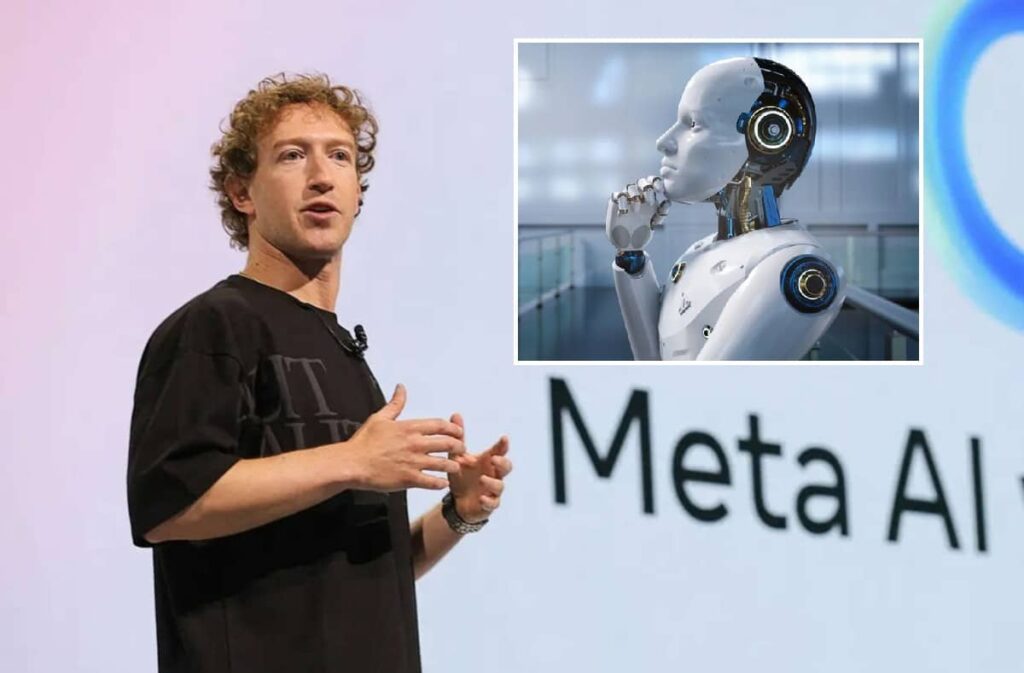
Meta CEO Mark Zuckerberg introduced groundbreaking artificial intelligence technology on Wednesday during the company’s Connect conference, showcasing the Meta Ray-Ban Display smart glasses that promise to transform digital interactions.
The innovative eyewear incorporates a miniature high-definition display within a single lens, enabling users to read messages, record footage, conduct phone conversations, and access real-time language translation without smartphone interaction. Zuckerberg positioned the launch as a pivotal moment in merging AI technology with personal accessories.
“Smart glasses represent the perfect platform for delivering personal artificial intelligence because they maintain natural human connection while providing seamless access to advanced AI functionalities,” Zuckerberg announced at Meta’s Silicon Valley campus.
Meta’s strategic advance in wearable computing
The Display model expands Meta’s portfolio of smart eyewear. It includes enhanced Ray-Ban Gen 2 devices and the new Oakley Meta Vanguard athletic edition. This expansion reflects Meta’s determination to embed artificial intelligence more deeply into consumer lifestyles, while challenging Google, Samsung, Snapchat, and Amazon for leadership in the smart wearables market.
EssilorLuxottica, Meta’s manufacturing partner and Ray-Ban’s parent corporation, disclosed in July that smart glasses revenue increased threefold compared to the previous year. The company projects that manufacturing capacity will reach 10 million units annually by 2026. Rocco Basilico, EssilorLuxottica’s Chief Wearables Officer, described the Display launch as “our most significant product introduction to date.”
Revolutionary display technology features
The Display glasses maintain conventional sunglasses aesthetics while housing sophisticated AI-powered components. The integrated micro-display creates a virtual projection visible only to the wearer, remaining invisible to surrounding observers.
This breakthrough design allows users to manage text communications, stream Instagram Reels, participate in video conferences, or navigate urban environments without smartphone dependency. The glasses provide live captioning and instant translation features, with conversation records stored within the Meta AI application.
Meta developed a complementary “neural” wristband for enhanced interaction. Beyond voice commands, the system recognizes finger tapping and pinching gestures for functions like music selection or call management. Zuckerberg highlighted this control mechanism as a major advancement over previous generations.
The device delivers six hours of operation per charge, with the charging case extending usage by 30 additional hours. The neural wristband operates for 18 hours and features water-resistant construction. U.S. consumers can purchase the glasses at select retail locations starting September 30, priced at $799.
Enhanced second-generation models
Meta simultaneously launched the Ray-Ban Gen 2 at $379. This iteration preserves the recognizable design while delivering extended battery performance—now supporting eight-hour operation—plus superior 3K video recording quality. Future updates will introduce slow-motion capture and hyperlapse photography modes.
A notable addition is “conversation focus” technology, an audio enhancement system that isolates human voices in noisy environments using open-ear speakers. This feature addresses a primary consumer adoption barrier by improving real-world usability.
However, the live demonstration encountered difficulties. An attempted video call to Meta CTO Andrew Bosworth failed when interface controls malfunctioned.
Bosworth acknowledged the glitch, commenting, “We’ll troubleshoot that issue afterward.”
Athletic-focused Oakley Vanguard edition
The Meta Oakley Vanguard, retailing at $499, targets fitness enthusiasts and outdoor adventurers. Through partnerships with Strava and Garmin ecosystems, these glasses monitor workout activities, capture 3K video content, and generate AI-powered exercise session analytics.
Zuckerberg demonstrated their rugged construction by mentioning personal surfing experiences with the device. The Vanguard offers approximately nine hours of battery life alongside comprehensive water and dust protection. Control interfaces are strategically positioned for helmet compatibility during extreme sports activities.
Industry expert analysis
Technology analysts suggest these smart glasses could achieve commercial success where Meta’s expensive Metaverse initiatives have encountered challenges.
“Smart glasses offer daily wearability without the cumbersome nature of VR headsets,” explained Mike Proulx, Forrester’s research director. However, he emphasized Meta must demonstrate clear value propositions justifying premium pricing.
Meta reportedly achieved approximately 2 million smart glasses sales since entering the market in 2023. Company executives anticipate the new Display model will accelerate consumer adoption, though industry skeptics, including CCS Insight analyst Leo Gebbie, express concerns that higher prices may impede growth momentum compared to more affordable Ray-Ban alternatives.
Significant AI infrastructure investment

This product reveal coincides with Meta’s massive AI expansion. Zuckerberg has committed hundreds of billions of dollars toward constructing extensive American data centers supporting his vision of “superintelligence“—advanced technology potentially surpassing human cognitive capabilities.
Nevertheless, Meta continues to confront criticism regarding its social media platforms’ societal impact. Shortly before the Connect presentation, advocacy groups protested outside Meta’s New York headquarters, demanding enhanced child safety measures across Facebook, Instagram, and virtual reality products.
These demonstrations followed Senate testimony from former Meta researchers claiming the company concealed research documenting potential youth harm. Meta categorically rejected these allegations as “completely unfounded.”
Future technology roadmap
Despite Connect’s technical hiccups, Zuckerberg emphasized that minor setbacks pale compared to the technology’s transformative potential.
“Our glasses development spans over a decade, and we’re witnessing one of those breakthrough moments,” he addressed conference attendees.
Meta’s primary challenge involves persuading consumers that AI-enhanced eyewear transcends futuristic novelty status to become an indispensable daily tool. With intensifying competition and billions in development investment, the upcoming year will determine whether Meta’s smart eyewear vision achieves mainstream acceptance.
What are your thoughts on Meta’s latest AI-powered smart glasses? Do you think privacy and practical concerns outweigh potential benefits? Please share your views below.