

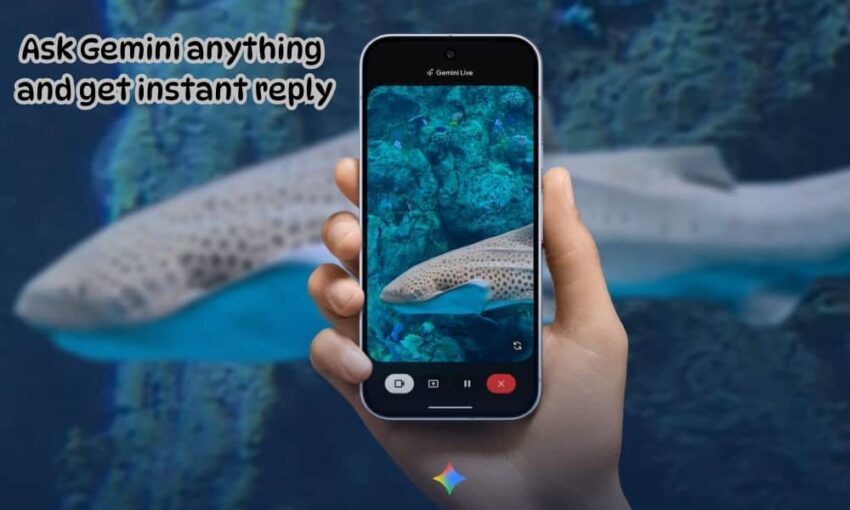
Google unveiled its latest smartphone innovation on Wednesday during a high-profile launch event in New York. The company introduced the comprehensive Pixel 10 series alongside an updated Pixel Watch, emphasizing cutting-edge AI capabilities that operate directly on devices.
The new smartphone collection includes four distinct models: Pixel 10, Pixel 10 Pro, Pixel 10 Pro XL, and Pixel 10 Pro Fold. Each device features enhanced processing power, improved camera systems, and seamless integration with Google’s advanced Gemini AI technology.
Google positioned this release as a demonstration of its generative AI leadership while competitors struggle to match sophisticated digital assistant functionality.
Pixel 10 Device Portfolio: The complete smartphone range encompasses the standard Pixel 10 alongside three premium variants. All models utilize Google’s proprietary Tensor G5 processor paired with an integrated Gemini Nano model. This configuration enables accelerated performance while supporting numerous AI operations without cloud connectivity. Premium model purchasers receive complimentary access to Google’s AI Pro subscription service for twelve months, unlocking advanced content creation capabilities for images and videos.

Magic Cue Technology: Google’s innovative AI assistant leverages contextual information from multiple applications to deliver relevant data proactively. When contacts share dining plans via text messaging, Magic Cue automatically retrieves restaurant reservation details from Gmail while suggesting appropriate responses. During airline customer service calls, the system displays flight information extracted from calendar entries or email confirmations. The weather application incorporates travel itineraries to provide personalized forecasting. Google emphasizes that Magic Cue processes all information locally, maintaining data security within the device.
Camera Intelligence & Photography AI: The integrated Camera Coach provides real-time guidance for optimal framing, lighting adjustment, and lens selection. Premium models feature “Super Res” zoom technology capable of 100× magnification through sophisticated software processing. Advanced photo editing tools accept natural language instructions for image modifications. The “Add Me” functionality uses artificial intelligence to insert photographers into group selfies they would otherwise miss.
Real-Time Communication & Composition: The complete Pixel 10 series supports instant phone call translation while preserving speakers’ vocal characteristics. This capability surpasses current iPhone translation features significantly. Google integrated voice and text AI throughout various applications, including a redesigned Recorder app for immediate message transcription and an enhanced Gboard keyboard, offering intelligent spelling and writing suggestions.
Additional AI Enhancements: The Pixel Journal application employs Gemini technology for guided journaling experiences and creative writing assistance. The Tensor G5 processor combined with Gemini Nano creates a robust on-device AI foundation. Google claims this architecture reduces cloud dependency while protecting user privacy.
Google’s announcement reinforces the transformation of smartphones into comprehensive digital assistants. Magic Cue particularly demonstrates how AI can anticipate user requirements across email, calendar, and application ecosystems without requiring explicit search queries. Local data processing allows Google to balance helpful functionality with privacy protection.
Industry competition and market dynamics
Technology analysts acknowledge that despite significant innovation, Google’s Pixel maintains limited market penetration. Current U.S. smartphone sales show the iPhone capturing approximately 50% of recent shipments, Samsung securing roughly 30%, while Google’s Android devices represent less than 5% of the market.
However, Google’s AI developments may strengthen other Android manufacturers. Samsung’s Galaxy AI assistant incorporates software agents capable of checking online information and scheduling calendar appointments automatically, mirroring Magic Cue’s cross-application functionality.
Apple continues struggling to match these advancements. The next iPhone generation launches this fall, but Apple confirmed that enhanced Siri capabilities won’t arrive until 2026. The anticipated iOS update will introduce basic AI tools, including call translation and photo editing, but lacks dedicated on-device AI processing or fully conversational Siri functionality. Industry experts suggest AI features may become essential smartphone requirements, similar to touchscreen adoption patterns.
Currently, Google’s Pixel 10 and Pixel Watch demonstrate one strategic approach: extensive AI integration for daily activities, including photography, voice communications, and personal assistance. Samsung’s Galaxy devices pursue similar directions with proprietary AI implementations. Apple maintains a more conservative strategy regarding AI deployment.
The Pixel 10 smartphone collection is available for immediate preorder with pricing comparable to previous Pixel 9 models, starting around $800 for the base configuration. Devices will ship within this month. Google’s Gemini-powered features target enhanced utility for everyday tasks, establishing elevated standards for smartphone artificial intelligence in 2025.
Market observers anticipate that these competing approaches will significantly influence consumer purchasing decisions as AI capabilities become increasingly important factors in smartphone selection. The technology industry continues evolving rapidly as companies race to deliver the most compelling AI-enhanced user experiences.
Google’s comprehensive AI integration represents a bold statement about the future of mobile computing, where intelligent assistance becomes seamlessly woven into every device interaction.
Have you tried AI-powered smartphone features? What’s most important to you — privacy, functionality, or innovation? Please share your views below.